Voice of Business: Employment Insurance

It’s time to review Employment Insurance.

One out of every 20 jobs in Canada is currently going unfilled.

The Canadian Chamber of Commerce’s March 2022 Labour Force Survey reveals the total to be 830,000 jobs.

“It seems like every survey shows businesses laser-focused on two issues limiting their recovery and posing the most significant barrier to economic growth: supply chain disruptions and labour shortages. Most businesses believe supply chain disruptions are with us for another year, maybe two, but our members see no end to Canada’s labour shortage crisis,” states Leah Nord, Canadian Chamber of Commerce Senior Director of Workforce Strategies and Inclusive Growth.

It's going to take a multi-faceted approach to properly address our labour challenges. It will take involvement from all levels of government, public institutions and the private sector all working together.

The Canadian Chamber of Commerce is advocating that this is the time to modernize Employment Insurance. The Government of Canada is engaging in consultations on EI. The EI system has not been reviewed in 70 years, something the CCC calls a once-in-a-lifetime opportunity to crack this stale nut wide open.

The CCC would like to see EI evolve towards becoming a talent development process that responds to the regional and sectoral labour market needs, supporting individuals through temporary job loss with financial and training resources. The CCC goes on to say that in order to achieve this we need a mechanism wherein all parties – business, labour and government – can engage in a meaningful and sustained way.

The latest unemployment numbers highlight that the issue is much bigger than simply getting people back to work. Unemployment dropped to the lowest it has been since 1974, hitting 5.3% in March. CCC Chief Economist Stephen Tapp expects to see the trend continue with unemployment dropping below 5% this year.

People are back to work.

It’s important to look at how we’re recovering. For example, Canada added 73,000 jobs in March of which 55,000 were men and 18,000 were women. Full-time work is leading growth, having added 93,000 jobs, while part-time employment dropped a further 20,000. While many people may prefer full-time work, part-time provides its own essential role in the economy by engaging people who require the added flexibility. Wages continue to rise, but struggle to keep pace with soaring inflation.

One key aspect of overhauling EI is to reposition people for the workforce. The system currently provides needed financial assistance while someone is out of work and essentially puts them back into the workforce to fill the same role they left. There is an opportunity to do better and use the EI process to develop much-needed talent.

We have to come to terms with the fact that dealing with such a large hole in our workforce is about more than finding enough bodies to fill those jobs. We can do better. We can modernize our workforce in ways that won’t require the same things to be done the same way we were doing them. Ultimately, this innovative approach to employment gaps will make our country more competitive.

Without access to talent for our businesses, our economy is at risk of stagnating. The timing couldn’t be worse considering the desperate situation many businesses are facing coming out of two years of COVID-19 public health measures.

The heart of our economy, our growth, and our prosperity is people. It’s time to do better about how we support, train, and engage our most valuable resource.


Content provided by the Peterborough and the Kawarthas Chamber of Commerce.

Engage with us on social media on Twitter, Instagram, Facebook and Tiktok. Write to us at tips@ptbocanada.com. Sign up for PTBOBuzz newsletter here.

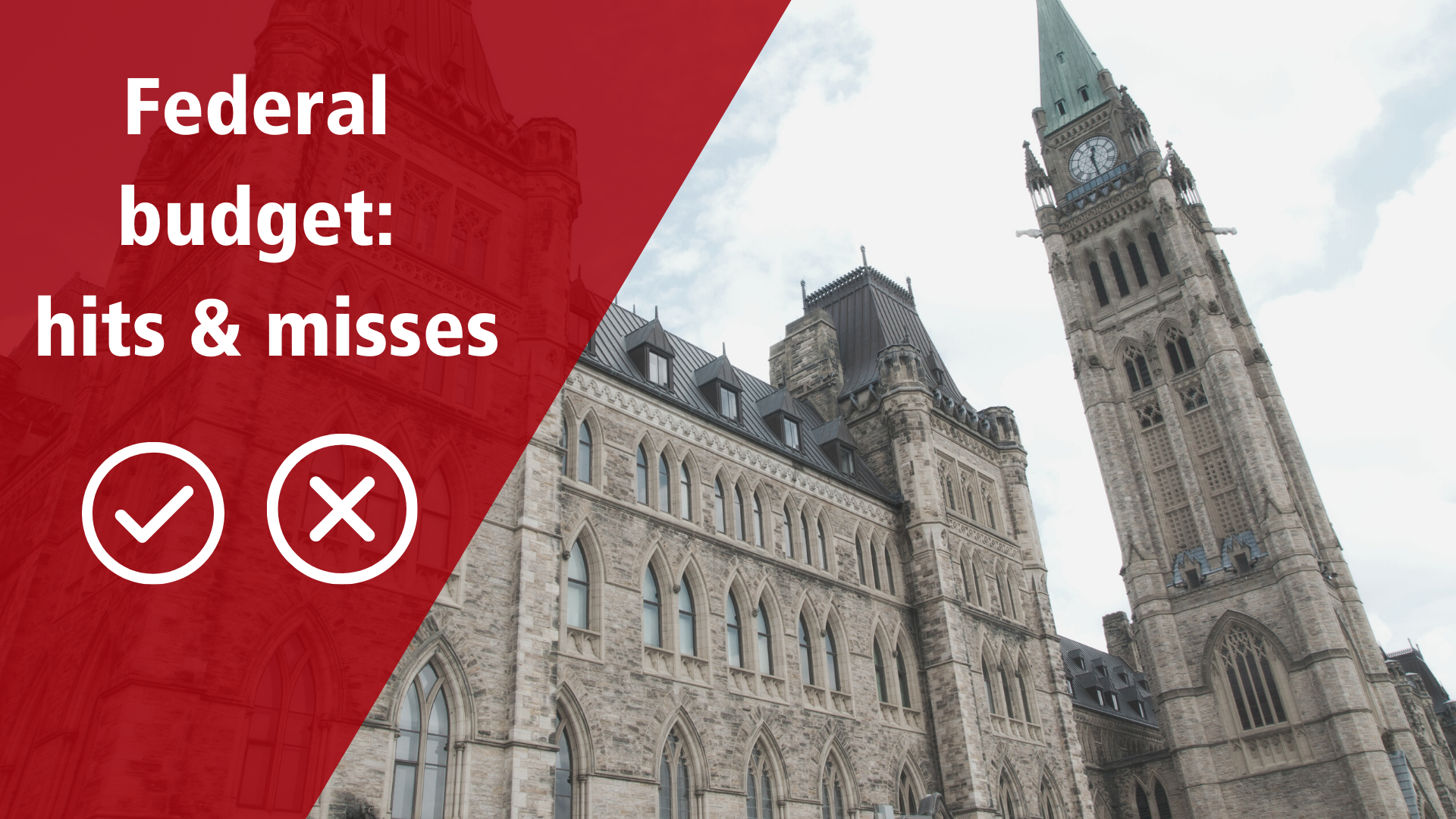
Voice of Business: Some Hits and Misses in Optimistic Federal Budget

Economic growth is led by the private sector. It takes investment in their workforce, infrastructure, and innovation.

The 2022 federal budget has a lot to offer but time will tell if there’s enough emphasis on enabling the private sector to lead our economic recovery.

It’s encouraging to see our government prioritize investments in housing, reducing emissions, strengthening public health, and building a stronger workforce. Overall, our economic outlook is improving. Employment is up. Our GDP has come in higher than projected.

Where the criticism comes in is the lack of vision in the federal budget.

“Fiscal responsibility will become increasingly important amid inflation and rising interest rates,” states Rocco Rossi, President and CEO of the Ontario Chamber of Commerce, in a press release. “While Budget 2022 contains several growth-enabling investments, it lacks an overarching plan and vision for economic growth that will encourage private sector investment and reduce the debt-to-GDP ratio without the need for spending cuts or tax increases in the future. Now more than ever, it is critical for Canada to leverage private capital and reduce regulatory barriers that inhibit growth.”

The budget contains some significant positive investments. The federal government is tackling current housing issues. There are incentives to stimulate housing construction and a new Tax-Free Home Savings Account to help first-time buyers save up for a home.

We’re encouraged to see the government continue to prioritize investments in the VIA High Frequency Rail project, which includes Peterborough in a new dedicated passenger rail line between Toronto and Quebec City. The budget spells out further investment in planning and design steps.

There’s a big emphasis on net-zero emissions — and rightly so. Canada has made some big promises on the world stage to do its part to fight climate change. It’s encouraging to see the government work with the private sector, including investments in carbon capture technology, electric vehicles, and tax credits toward net-zero technologies. The government is also investing heavily in assisting the agriculture sector invest in low emissions technology.

Small and medium-sized businesses will see access to the small business tax rate gradually phased out once they reach $50 million of capital, up from $15 million. The government is also working on developing a plan for Employee Ownership Trusts, a tool that can help reward employees and increase retention.

Large banks and insurance companies are going to see a tax increase, prompting some concerns from the business community that these costs will get passed on to their customers.

The government is investing in a stronger workforce through new funding for training, tax credits to encourage seniors to continue longer in the workforce, and funding to support integration for persons with disabilities.

Our workforce is heavily dependent on outside help. The budget includes investments in the Temporary Foreign Worker program as well as assistance for immigration including expanding the program to recognize foreign credentials.

The budget comes up a bit short in a few critical areas. While there is money set aside for cybersecurity, it’s through the national defence sector. Chambers of commerce across the country have been advocating for more investment in cyber security for the private sector, especially as it impacts our supply chain. There’s a general lack of focus and investment in the supply chain, which is driving up costs and creating challenges for businesses and consumers.

Also missing is debt relief for hardest-hit businesses that used government support programs.

If nothing else, the 2022 budget is big on optimism. The federal government is making some much-needed investments in some business sectors that should lead us in the direction of recovery and growth. More can be done and for that, we’ll continue to advocate for a strong private sector to lead our economic growth.

Content provided by the Peterborough and the Kawarthas Chamber of Commerce.

Engage with us on social media on Twitter, Instagram, Facebook and Tiktok. Write to us at tips@ptbocanada.com. Sign up for PTBOBuzz newsletter here.