I won’t wade into the politics of the Syrian conflict, only to say that it is very complicated and that we receive only certain versions of it. Further adding to the complication were the recent executions in Saudi Arabia and the subsequent riots at the Saudi embassy in Iran. There are layers upon layers of history behind those two actions. It seems like it never stops and there is a significant sense of unrest in people who are peacefully attempting to live out their daily lives. “I don’t feel at peace, no, I don’t at all,” was a shocking quote from someone who has made every attempt at living at peace here.
There are simple people living good lives who are being wrapped up into conflict that they don’t wish for at all. When it becomes too dangerous for their families, they flee to Jordan, to Lebanon, to Turkey, to Greece, and even beyond farther into Europe. If they have money, which many of them do, they can go further. If not, they can only make it so far.
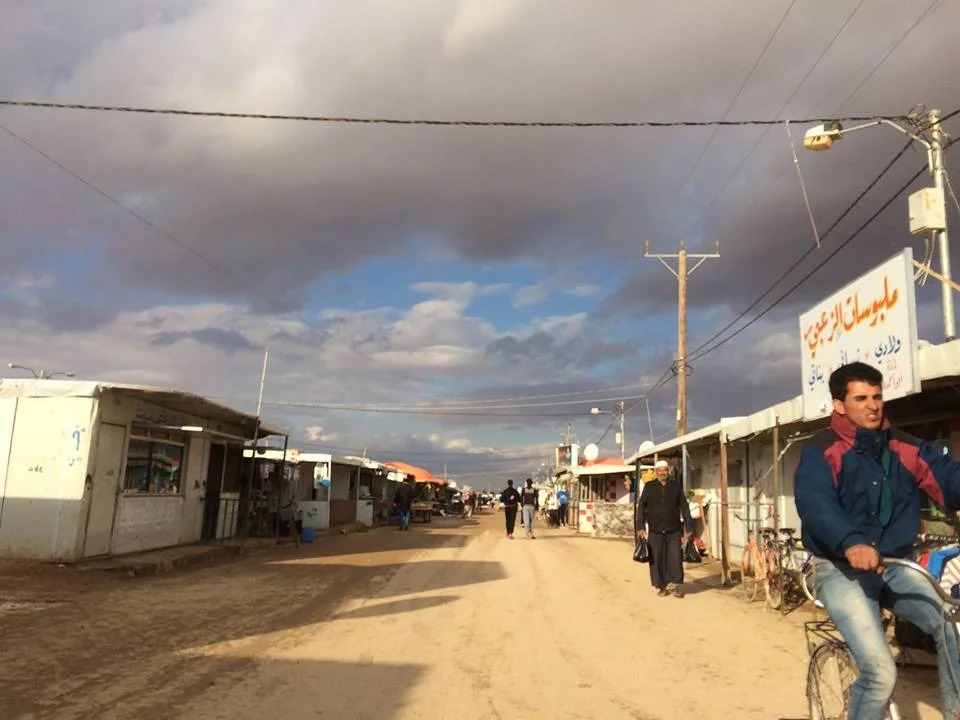
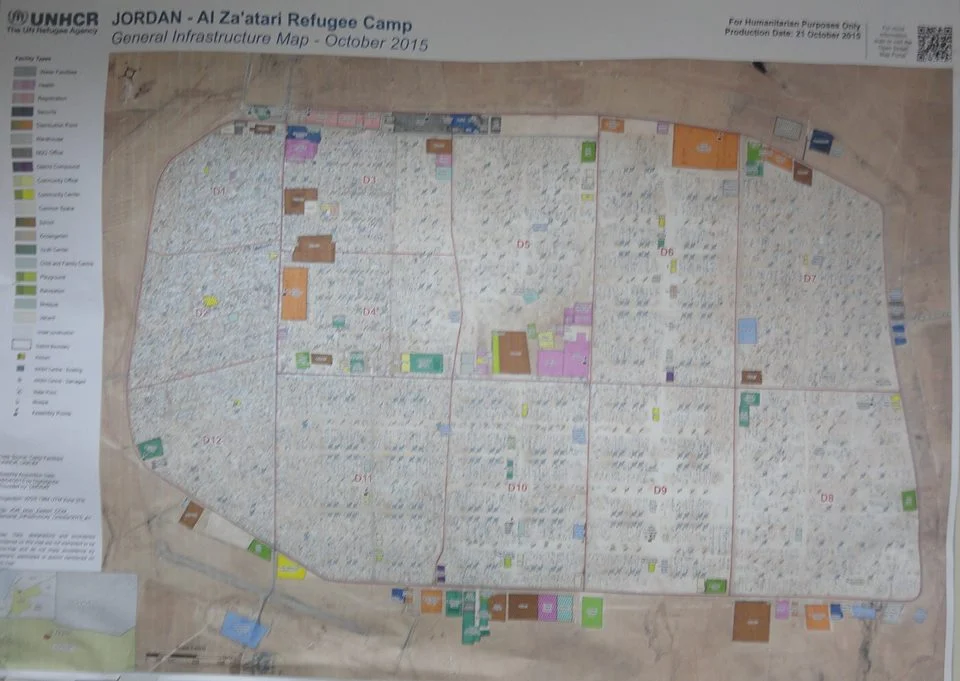
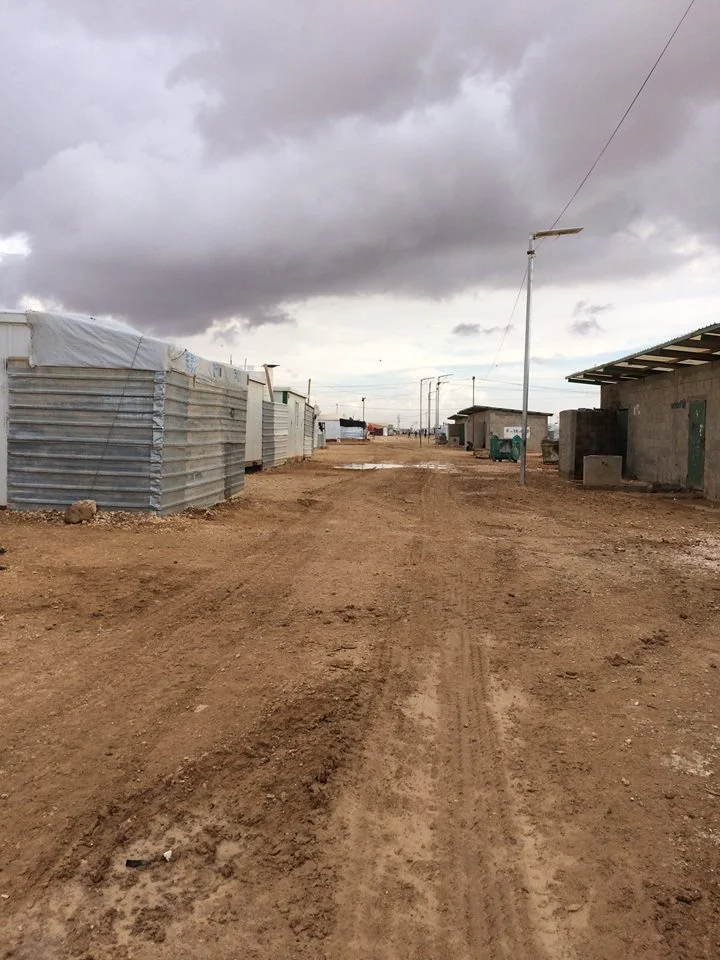
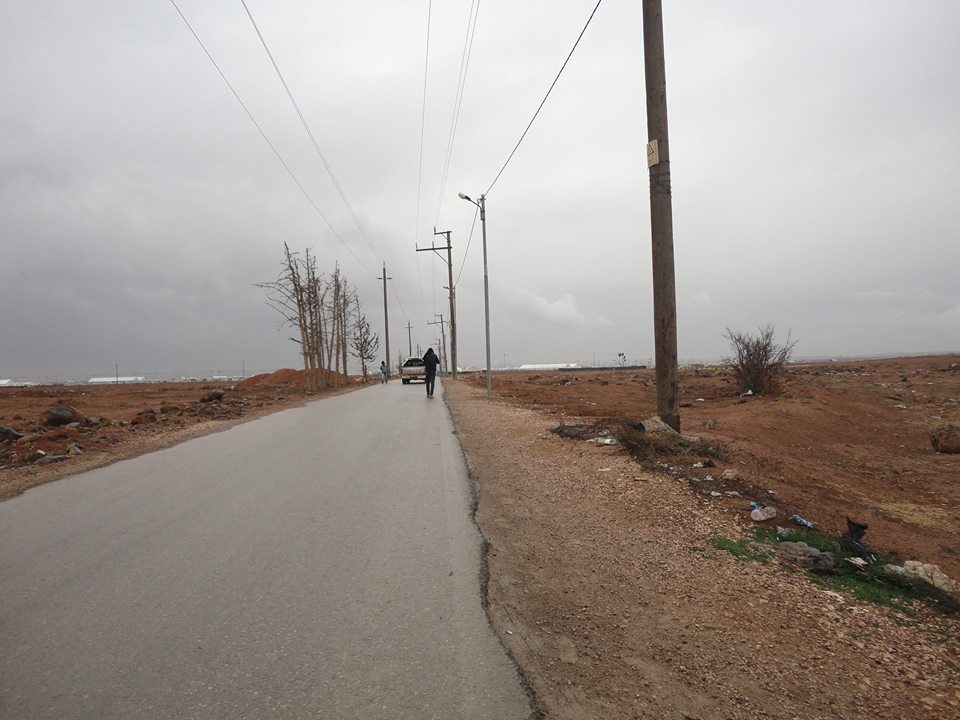
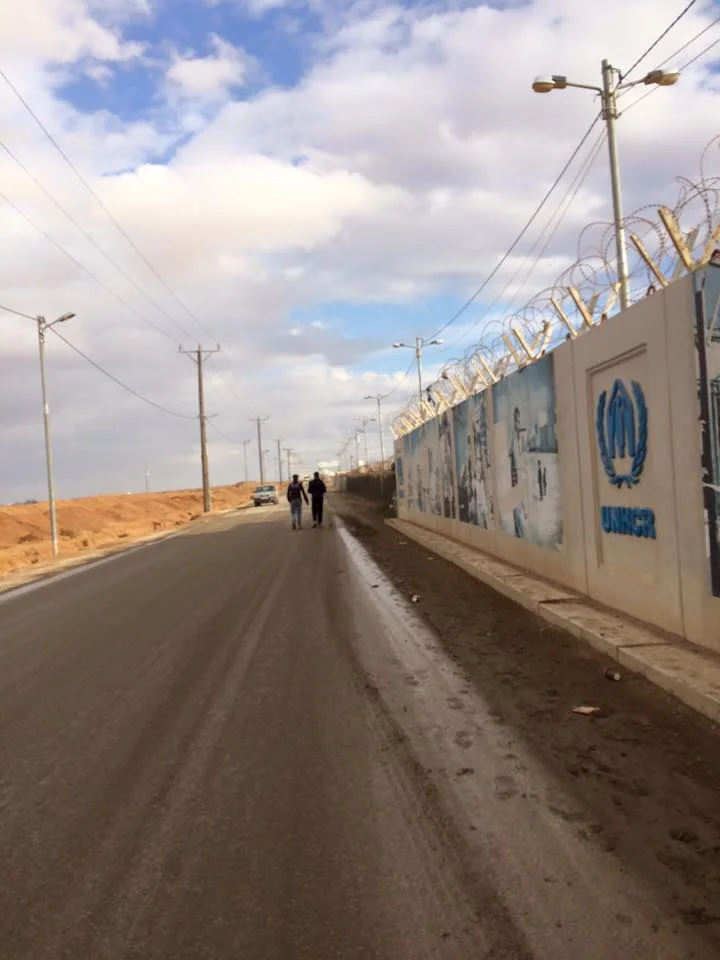
Many reside in refugee camps in Jordan but the majority do not. Of the roughly 650,000 Syrian refugees in Jordan, only 15 percent live in camps like Zaatari where I visited.
Many would love the chance to be resettled to come to Canada, while many are willing to wait it out to return home. This is understandable, they are Syrian. Syria is their home. How would you respond if this happened to you? The conflict in Syria will likely not end quickly, some say not in the next five years, some say not in the next ten.
For those in the Zaatari, there are varying degrees of hope and hopelessness when waiting for peace, or at least stability, to return. While at Zaatari, home to roughly 79,250 people, I conversed at length with two men. One was quite hesitant about coming to Canada and the other was ready to move tomorrow. Among other reasons, the second was ready to move because his brother-in-law had just left that morning to be resettled in Canada with his family.