Greater Peterborough Health Services Foundation Announces 2025 Recipients of the Senior Care Micro Grant Program

The Greater Peterborough Health Services Foundation (GPHSF) has announced the winners of its second-annual Senior Care Micro Grant program.

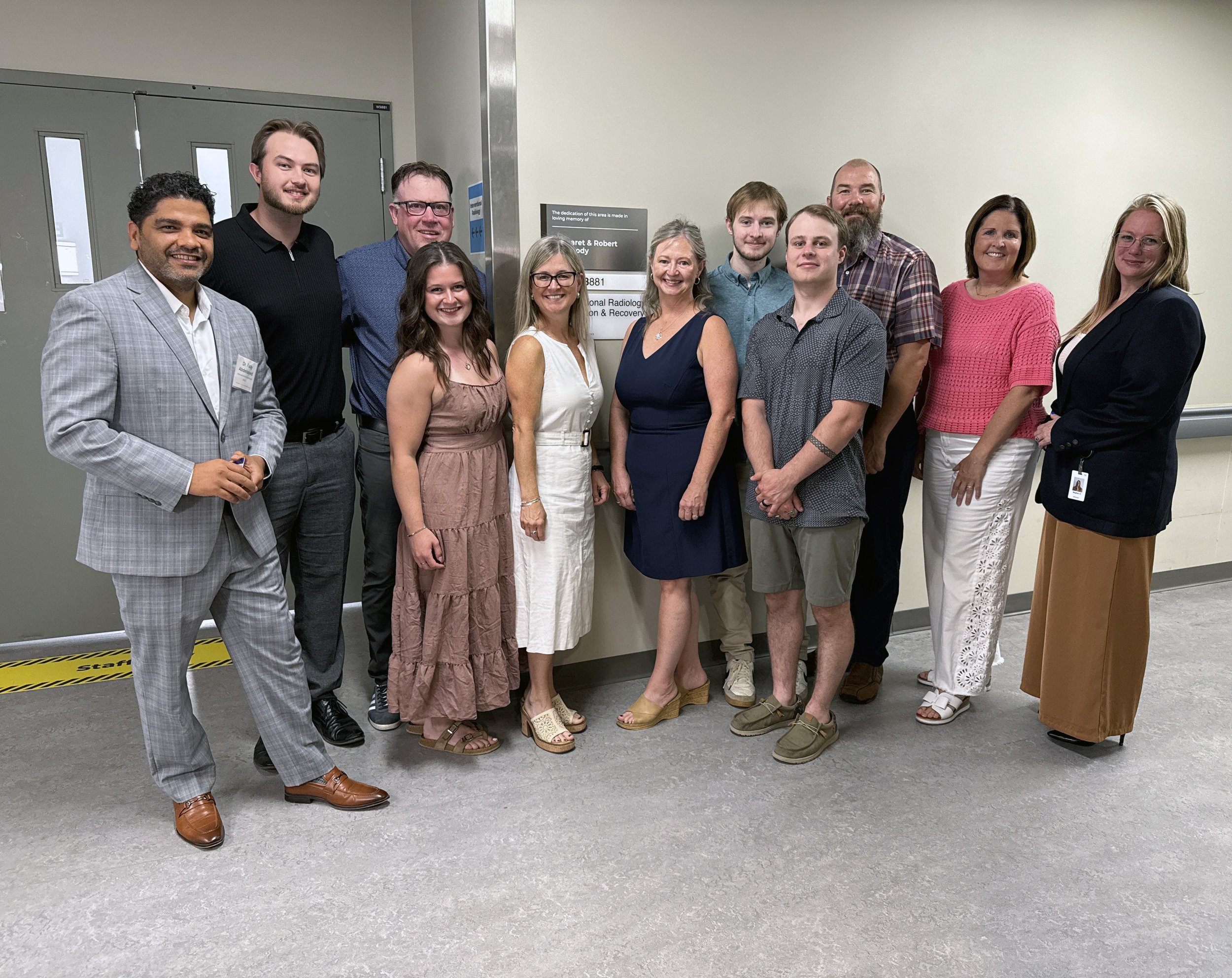
from left to right: Vince Bierworth, Executive Director for Greater Peterborough Health Services Foundation, Bailley Taylor, NNADAP worker and Nicole Capalbo, Home & Community Care Manager Curve Lake First Nation. Photo Courtesy of The Greater Peterborough Health Services Foundation.

Two grants worth $5,000 were made available to support senior care projects and healthy aging initiatives within the Peterborough area: Curve Lake First Nation’s Home and Community Care and Mental Health Project and One City Peterborough’s Nutritional Support for At-Risk Seniors Project.

“It was a difficult process to narrow down the applications. Our recipients this year address both mental and physical health concerns, as well as nutritional concerns with some of the most vulnerable in our community.” said Vince Bierworth, Executive Director for the Greater Peterborough Health Services Foundation. “Our committee, which was made up of healthcare professionals and community members, were very impressed with the quality and variety of projects submitted. After much deliberation, they settled upon two projects that will have both an immediate and lasting impact for seniors and elders in our community.”

In their application, Curve Lake First Nation states that the Home and Community Care and Mental Health Project “is addressing a critical gap in Elder care by providing culturally relevant mental health and wellness supports that are not currently available in our community. There are limited opportunities for Elders to engage in programming that integrates mental, emotional, spiritual and cultural well-being. Elders often face isolation, challenges with life transitions and limited access to traditional knowledge and healing practices. By offering biweekly gatherings that combine cultural teachings, land-based activities, art therapy, addictions awareness and connections to community partners, this project fills an unmet need and ensures our elders are supported in a holistic and culturally safe way.”

“Curve Lake Home and Community Care in partnership with Mental Health Services is sincerely grateful and deeply appreciative to the GPHSF for awarding us the Seniors Care Micro Grant,” said Nicole Capalbo, Home and Community Care Manager at Curve Lake Health Centre. “Our Elders are a vital part of our community, and this funding will be put to great use in enhancing culturally grounded mental health and wellness supports. This investment strengthens our ability to care for our Elders in meaningful ways that honour their dignity, identity and overall well-being.”

In their application, One City Peterborough states that the Nutritional Support for At-Risk Seniors Project supports “Seniors who make up 35 per cent of the individuals accessing drop-in services on a regular basis, many of whom also have complex nutritional needs due to chronic illness, diabetes, exposure related injuries, chronic malnutrition and severe dental decay, among other factors. This project will identify marginalized seniors with high nutritional needs that are not being met and provide interventions to offset their risk of associated health burdens.”

From Left to Right: Michael Vanderherberg, Director of Property Development One City Peterborough, Cheyenne Buck, Trinity Drop-in Coordinator, Brian McCarthy, Finance Coordinator One City Peterborough and Vince Bierworth, Executive Director Greater Peterborough Health Services Foundation. Photo Courtesy of The Greater Peterborough Health Services Foundation.

“One City Peterborough is very grateful that we will be able to use this grant to do just a little bit more to help those folks who face elevated health risks when they are unable to meet their nutritional needs,” said Danita Gilbert, Nurse Care Coordinator with One City Peterborough. “In addition to direct nutritional interventions, this pilot project will allow us to gather valuable data about the impact of nutrition on health for the most marginalized seniors in our community. We hope that this data can provide a foundation for development of a longer-term, targeted nutrition program.”

The GPHSF Senior Care Micro Grant program will continue to be an annual program, with the next request for applications opening in August 2026. 

Those who wish to make a donation in support of the GPHSF’s Senior Care Fund can do so via phone or by visiting the website.

Engage with us on social media on Twitter, Instagram, Facebook, Threads, Tiktok, Youtube and LinkedIn. Write to us at tips@ptbocanada.com. Sign up for our newsletter here.

Peterborough Regional Health Centre Announces the Opening of New Donor-Funded Interventional Radiology Suites

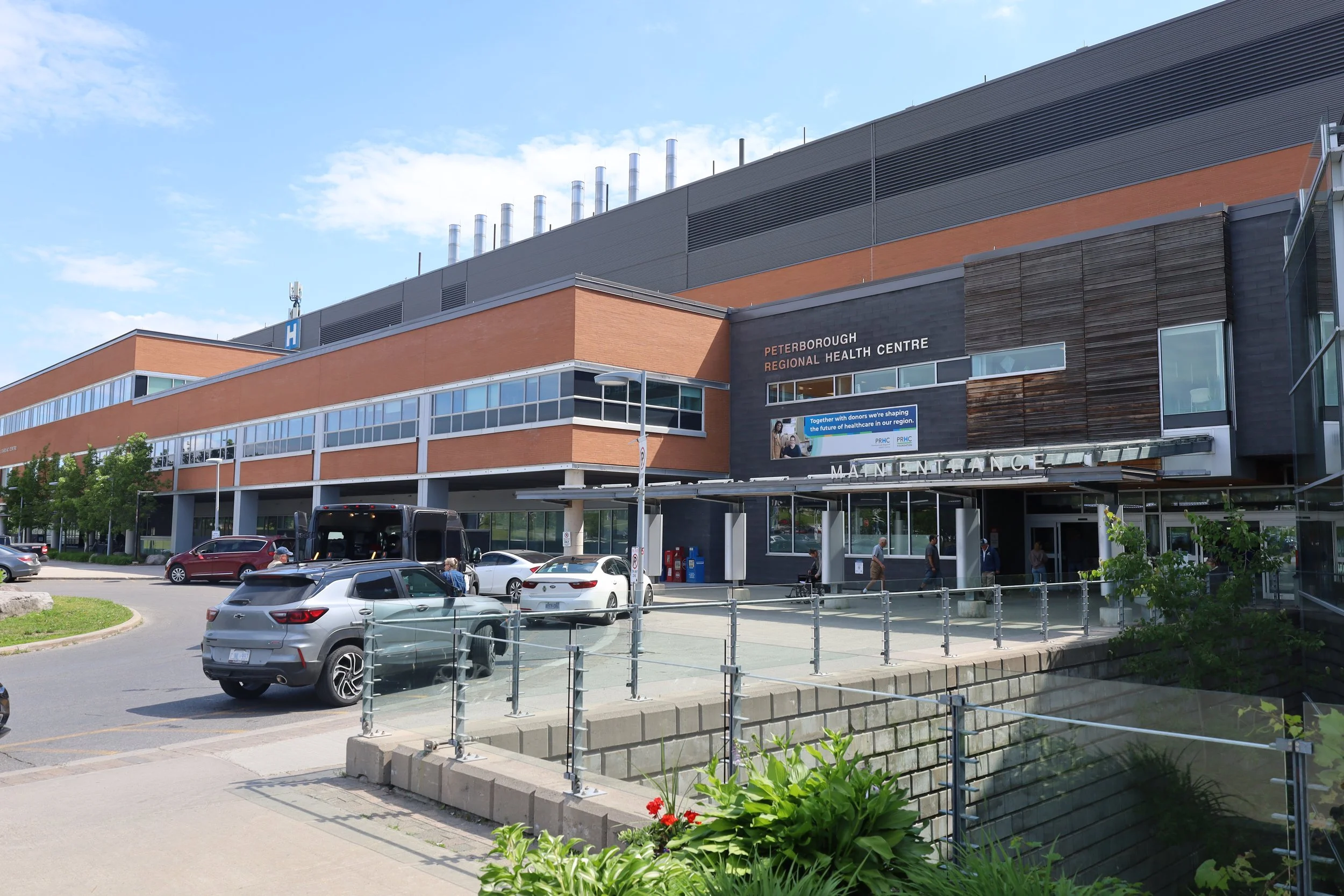
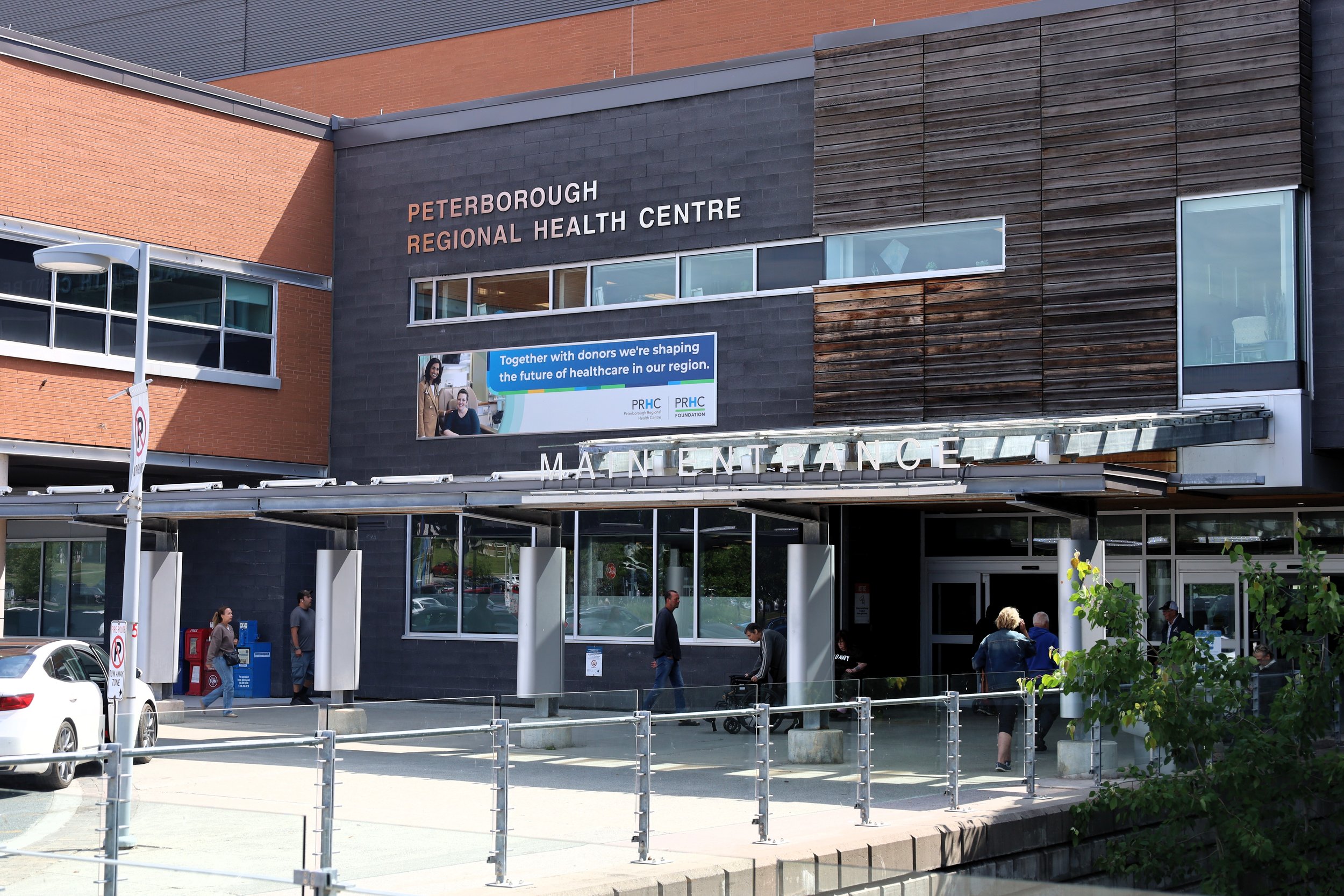
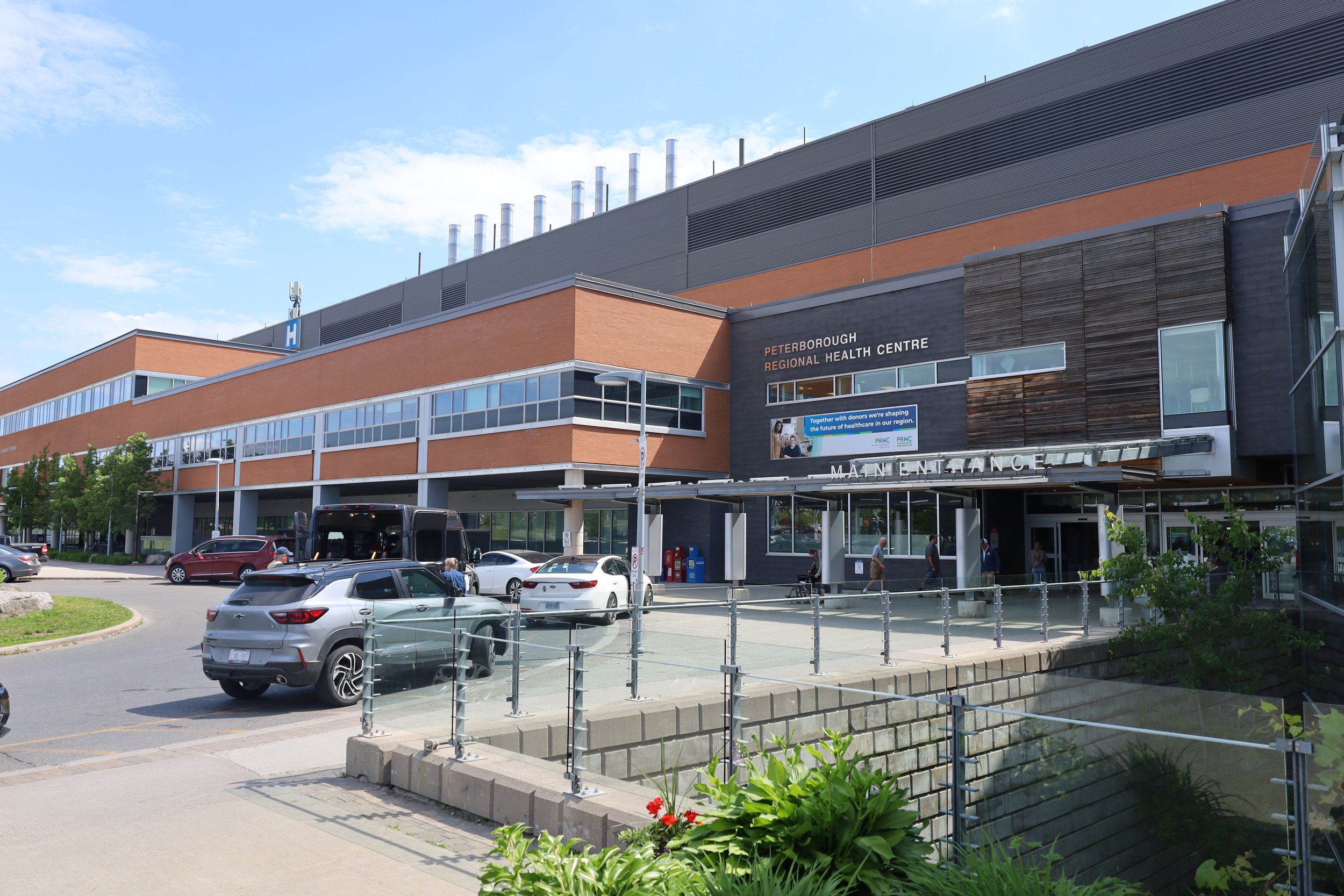
The Peterborough Regional Health Centre (PRHC) announced the completion of a $6 million investment campaign in interventional radiology on Tuesday afternoon.

(From left to right) Dr. Fady Abdelsayed, Interventional Radiologist; Lesley Heighway, PRHC Foundation president and CEO and Dr. Lynn Mikula, PRHC president and CEO. Photo by Felicia Massey.

The event marked another milestone in the $70 million campaign to bring cutting-edge technology and minimally invasive care closer to home for Peterborough City and County patients.

The PRHC Foundation members and PRHC's leadership team thanked donors for making this advancement possible through their continued generosity.

“This is a transformative moment for patient care at PRHC,” said Lesley Heighway, PRHC Foundation president and CEO. “These world-class suites are already changing lives. Because of donor generosity, PRHC's interventional radiology experts have the advanced tools and space they need to perform even more complex, minimally invasive procedures right here, while innovating for the future.”

PRHC said there are five interventional radiologists at the hospital on a 24/7 rotation, performing more than 6,000 procedures annually. They continue to state that they are equipped to care for 20 to 25 patients suffering from critical conditions such as cancer, stroke, organ failure, bleeding and trauma with this expansion of its two existing IR suites. This included replacing out-of-date equipment and creating a third suite for rapid, high-demand procedures. The preparation and recovery area was also expanded to accommodate four additional patients, bringing capacity from 10 to 14.

“Interventional radiology is the future of medicine. Using real-time imaging technologies such as CT, X-ray and ultrasound, we perform procedures through a tiny incision, using only needles, wires and catheters,” said Dr. Fady Abdelsayed, Interventional Radiologist at PRHC. “This means less pain, fewer complications and shorter hospital stays compared to conventional surgery.”

@ptbo_canada The Peterborough Regional Health Centre has announced the opening of new donor-funded interventional radiology suites 🧑‍⚕️ #PTBOCanada #PRHC #peterboroughontario ♬ Meridian - ODESZA

“The three interventional radiology suites, the step-down unit and the prep and recovery area were entirely funded by the donors here today,” said Heighway. “Bringing this to fruition is a really big celebratory moment for the foundation and for the physicians who work here everyday.”

Engage with us on social media on Twitter, Instagram, Facebook, Threads, Tiktok, Youtube and LinkedIn. Write to us at tips@ptbocanada.com. Sign up for our newsletter here.

Peterborough Regional Health Centre Calls On Province of Ontario to Fund Hybrid Operating Room

The Peterborough Regional Health Centre (PRHC) urgently requested funding for a hybrid operating room in the Level 2 Vascular Centre as they addressed the Province of Ontario during a Pre-Budget Consultation on Friday.

PHOTO COURTESY OF THE PETERBOROUGH REGIONAL HEALTH CENTRE.

Dr. Lynn Mikula, PRHC’s President and CEO, says the hospital should already have a hybrid operating room in accordance with the Ontario Health standard.  

“We do more than 1,000 vascular procedures each year, and nearly three quarters of our patients come from outside of Peterborough City and County,” she said. “But our vascular operating room is not properly equipped. According to standards set by Ontario Health, we need a hybrid operating room.”

In 2017, PRHC identified the construction of a hybrid operating room as a key priority for the 600,000 patients it serves across the region. In 2019, the hospital began self-funded construction costing $21 million to create space for several regional program expansions, including the hybrid operating room. Mikula reports that the hospital has been waiting years for approval and the $10 million in funding needed to build the hybrid operating room.

Vascular surgeons perform procedures essential to the hospital's cancer care, dialysis and cardiac programs. According to the PRHC, this time-sensitive care can often require multiple surgeries. A hybrid operating room allows specialized teams to perform multiple open and minimally invasive procedures on the same patient, on the same day, in the same room.

“We’re still unable to provide the appropriate level of care for a Level 2 Vascular Centre, meaning we need to send more complex patients further from home to get the care they need,” said Mikula. “Last year alone, nearly 200 patients were sent to other centres for procedures we should have been able to do at PRHC. This puts our patients and our vascular program at risk.”

PRHC says that Dave Smith, Peterborough-Kawartha MPP noted at the committee proceedings that establishing a hybrid operating room at the hospital requires a comparatively small investment by the Ministry of Health, as the space and the equipment are already funded by the hospital and the PRHC Foundation, which have committed to raising $6 million toward the project as part of the $70 million campaign.

“We believe that in the context of hospital capital projects, which now tend to run into the billions of dollars, that a $10 million ask would be a huge win for a relatively very small price tag,” said Mikula. “This investment will yield a huge leap forward in vascular care for our patients, and it’s what my colleagues and I need to do our job to the best of our abilities. It will help us save lives.”

Engage with us on social media on Twitter, Instagram, Facebook, Threads, Tiktok, Youtube and LinkedIn. Write to us at tips@ptbocanada.com. Sign up for our newsletter here.

Peterborough Regional Health Centre Emergency Department Launches Online Wait-Time Clock

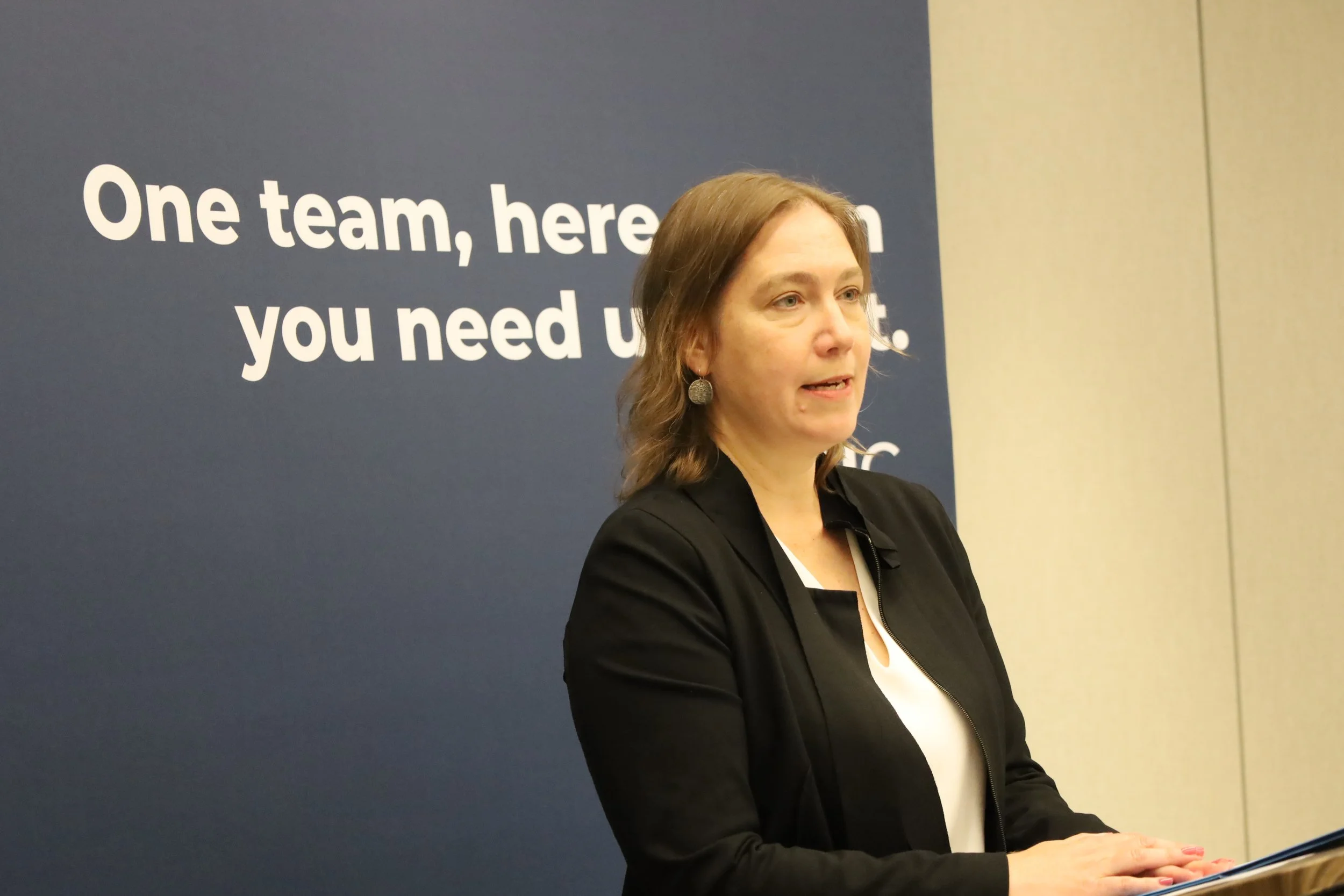
Peterborough Regional Health Centre (PRHC) has launched an online Emergency Department (ED) wait-time clock that provides real-time estimates of how long it may take to be seen by a physician.

File photo.

“Patients and families are already experiencing stress and uncertainty when they come to the ED,” said Dr. Nicole De Francesco, PRHC chief of emergency medicine. “By sharing wait time information in real time, we’re making a difficult moment a bit easier for people, improving their hospital experience by providing more and better communication to help them understand what they can expect.”

PRHC’s ED sees more than 75,000 visits annually, meaning a new patient arrives every seven minutes according to a press release. Pressures on the Emergency Department have continued to grow over the last decade, with rising demand for emergency services outpacing capacity said De Francesco.

“Our team in the Emergency Department has worked hard over the last few years on initiatives to reduce wait times, hospital admissions, and patient length-of-stay,” she said. “With the support of leaders and staff across the hospital, these efforts have already achieved incredible successes – which have largely been absorbed by the system pressures we are seeing in terms of patient volumes, complexity and acuity.”

The clock contains up-to-date information on how long it may take to be seen by a physician for an initial assessment.

“While the work has had excellent results, the improvements the team has made are helping us to manage the growth we’ve been seeing – but not to get ahead of the curve,” added Dr. De Francesco. “Our work in these priority areas will continue as we invest in new initiatives to improve the care we provide.”

PRHC reminds patients in the emergency department are always seen based on the urgency of their condition and not their time of arrival. Patients with more serious conditions will always be treated first. Wait times can change quickly and unexpectedly due to new or more urgent emergencies.

Engage with us on social media on Twitter, Instagram, Facebook, Threads, Tiktok, Youtube and LinkedIn. Write to us at tips@ptbocanada.com. Sign up for our newsletter here.


Kawartha Home & Health Care Services Finds New Home At Pido Road

Kawartha Home & Health Care Services (KHHCS) has a new home, having relocated to 347 Pido Rd. Unit 17 and held an open house and ribbon-cutting ceremony on Thursday afternoon.

(from left to right) Lisa Smith-Maxam, Home & Health Care Services HR and operations manager; Patti Clancy, CEO and founder and Liam O’Connor of the Peterborough and the Kawartha Chamber of Commerce cutting the ribbon at the organization’s open house. Photo by David Tuan Bui.

Formerly located at 320 Water St, Unit 72, the home health care service moved to the new location on Oct. 1.

KHHCS HR and operations manager Lisa Smith-Maxam says that employee training is something the organization can do with its new location.

“We couldn't train our own employees to be better to help those that really need it,” she explained. “Now we have a training area that's upstairs.”

@ptbo_canada Kawartha Home & Health Care Services has a new home at 347 Pido Rd. Unit 17! #ptbocanada #journalism #news #fyp #healthcare ♬ shine on - choppy.wav

The new space adds an extra floor and increased office space, an area that the staff are excited to work with, says Smith-Maxam.

“The other place was too small; we outgrew it,” she said. “Now we're here, we're growing, we're expanding and we're going to keep on growing.”

KHHCS has been a professional home healthcare service available 24/7 since 2015. Their services extend to Peterborough and the Kawarthas.

“Whether it's personal care, whether it's your home care or maybe it's something where you want somebody to drive you around for a couple of hours, we're here to help,” concluded Smith-Maxam.

Engage with us on social media on Twitter, Instagram, Facebook, Threads, Tiktok, Youtube and LinkedIn. Write to us at tips@ptbocanada.com. Sign up for our newsletter here.

Lakelands Public Health's Seasonal Water Sample Courier Service Paused For the Winter Starting Nov. 27

The Township of North Kawartha and the Municipality of Trent Lakes are pausing their seasonal well water test sample drop-off program locations for the winter, with Nov. 27 the last day to drop off test samples.

Photo courtesy of Lakelands Public Health.

During the winter months, residents who regularly use the seasonal drop-off sites can drop off their well water test samples at the following nearest location(s):

  • Lakelands Public Health, 185 King St., Peterborough
      – 8:30 a.m. to 4:30 p.m., Monday to Thursday
      – 8:30 a.m. to 12 noon, Friday

  • Public Health Ontario Laboratory, 99 Hospital Dr., Peterborough
      – 8:30 a.m. to 4:30 p.m., Monday to Friday

  • Havelock-Belmont-Methuen Township Office, 1 Ottawa St., Havelock
      – 8:30 a.m. to 4:30 p.m., Monday to Thursday

Lakelands Public Health recommends regular testing of your drinking water. Water samples are checked for two types of bacteria: total coliforms and E. coli.

If E. coli is found, it means the water may be contaminated with fecal material that can cause serious stomach and intestinal illnesses. While anyone can get sick from contaminated water, young children, seniors and people with weakened immune systems are more vulnerable.

“Well water should be tested year-round, especially after a thaw or heavy rain,” said Chris Eaton, Public Health Inspector, with Lakelands Public Health. “Testing your water is the best way to ensure it is free from pathogens and that your treatment system is effective.”

Seasonal service at both locations will resume in early April 2026.

Engage with us on social media on Twitter, Instagram, Facebook, Threads, Tiktok, Youtube and LinkedIn. Write to us at tips@ptbocanada.com. Sign up for our newsletter here.

Coming Full Circle Program Launched In Haliburton County For Networking In Substance Abuse and Metal Health Challenges

Point in Time and the Canadian Mental Health Association Haliburton, Kawartha, Pine Ridge (CMHA HKPR) have officially launched its Coming Full Circle Program in Haliburton County with a ribbon-cutting ceremony, announced on Tuesday.

Photo courtesy of CMHA HKPR.

Funded by Canada’s Substance Use and Addictions Program (SUAP), the program is a transformative two-year initiative designed to build a network of peer support workers who bring lived and living experience of substance use and mental health challenges according to a press release. These individuals are trained, mentored, and supported to contribute meaningfully to improvements in the health and social systems across Haliburton County.

The program is rooted in the belief that lived experience is a powerful asset. Peer support workers offer a unique and invaluable perspective, fostering trust, empathy, and connection in ways that traditional services often cannot.

“This program represents a different approach to care, one rooted in connection and lived experience.” said David Barkley, program supervisor. “Peer support means working with someone who truly understands the barriers and challenges because they’ve been through them too. That authenticity helps build trust and makes it easier to navigate the tough realities that can come with living in smaller, rural communities. People deserve support from a place where they feel welcomed, not judged.”

Engage with us on social media on Twitter, Instagram, Facebook, Threads, Tiktok, Youtube and LinkedIn. Write to us at tips@ptbocanada.com. Sign up for our newsletter here.


Fleming College Awarded Over $357,000 to Launch Research On Resilience In Nursing

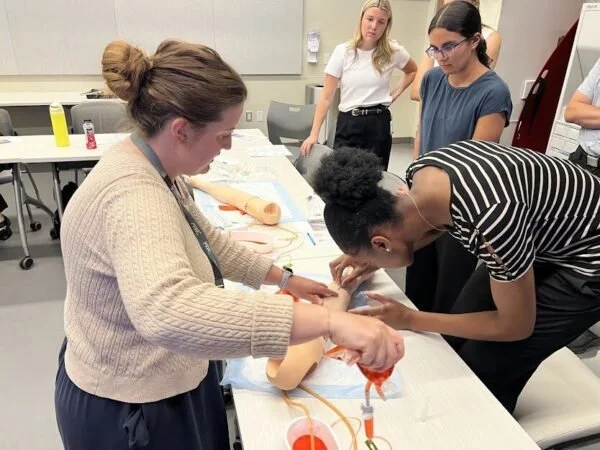
Fleming College has been awarded $357,033 to fund a three-year applied research project aimed at improving nurse well-being at Peterborough Regional Health Centre (PRHC) through structured resilience training, announced last Friday.

Photo by David Tuan Bui.

The money was awarded by the Canadian Institutes of Health Research (CIHR), in collaboration with the Natural Sciences and Engineering Research Council of Canada (NSERC) and the Social Sciences and Humanities Research Council (SSHRC). The funding is provided through the College and Community Social Innovation Fund (CCSIF), one of the main grant types under the tri-agency College and Community Innovation (CCI) program.

The project is led by Fleming College faculty members Jill Henderson, MN, RN; Wendy Morgan, MA-Ed, MA-CP; and Melissa Sherrer, MN, RN, from Fleming’s School of Health and Community Services. They are joined by Dr. Michael Ungar, Professor and Canada Research Chair in Child, Family and Community Resilience at Dalhousie University.

“The nursing workforce in Canada faces severe challenges with devastating rates of burnout and projected shortages,” said Dr. Theresa Knott, Acting Co-President, Fleming College. “A recent poll from the Canadian Federation of Nurses Unions reports 40 per cent of nurses intend to leave the profession within the next year. This funding will help address these workforce pressures and strengthen the future of health care in Ontario and across the country.”

The CCSIF-funded project builds on a successful pilot study led by Henderson and Morgan, previously funded by NSERC. In that study, the duo delivered resilience training to fourth-semester students in Fleming’s Practical Nursing program. Their research demonstrated clear benefits: participants reported improvements in overall mental health, increased self-awareness, better emotional regulation, and greater confidence in managing stress. Many also valued the group-based support.

With this new funding, the research team will adapt and expand their resilience training model to support nurses at PRHC and study the impact of the training over time. The goal is to help nurses’ psychological well-being, reduce burnout and strengthen job satisfaction. The study offers a scalable training model to shape best practices in nurse support at the provincial and national levels said Dr. Knott.

“Fleming College is proud to support the well-being of nurses already in the field through this important new resilience training,” she said. “While we remain committed to preparing career-ready nurses through our academic programs, this applied research project allows us to make a direct, meaningful impact on those currently serving in our healthcare system. It’s a response to real needs in our community.”

Engage with us on social media on Twitter, Instagram, Facebook, Threads, Tiktok, Youtube and LinkedIn. Write to us at tips@ptbocanada.com. Sign up for our newsletter here.

Trent University Receives $1 Million Grant to Advance Trauma-Informed Care in Long-Term Care

Through a $1-million research project grant, Trent University will introduce trauma-informed care practices into long-term care homes.

Photo courtesy of Trent University.

The practice is led by Dr. Kimberly Ritchie, an assistant professor in the Trent/Fleming School of Nursing (whose research focuses on trauma and dementia.

“We know from research by Dr. Ritchie that the need for trauma-informed approaches is pressing, with nearly two-thirds of Canadian adults reporting at least one potentially traumatic event in their lives,” says Dr. Holger Hintelmann, Trent vice-president of research and innovation. “This is valuable funding for a critical project that could inform innovations in care for our aging populations.”

Ritchie will lead a four-year project with colleagues from McMaster University to co-design, implement and evaluate a trauma-informed care framework. According to Trent, this work is part of the Canadian Consortium on Neurodegeneration in Aging and is supported by the Canadian Institutes of Health Research, in particular its Strategy for Patient-Oriented Research initiative, as well as the Azrieli Foundation, Canadian Centre for Caregiving Excellence, Brain Canada Foundation and SPOR.

Trauma-informed care emphasizes understanding the lasting impact of trauma, creating safe and inclusive environments, and equipping staff with tools to recognize triggers, de-escalate distress and build trust with residents says Ritchie.

“Research shows a two-way relationship between PTSD and dementia, making transitions into institutional settings especially difficult,” she said. “For many residents, long-term care environments can unintentionally trigger trauma memories, leading to distress and behavioural symptoms. Embedding a trauma-informed approach means safer, more inclusive and supportive environments for both residents and staff.”

The project will also focus on supporting care staff, who often face high levels of stress and burnout. The framework will be piloted in one home, refined and then tested in a national trial across four long-term care homes.

Engage with us on social media on Twitter, Instagram, Facebook, Threads, Tiktok, Youtube and LinkedIn. Write to us at tips@ptbocanada.com. Sign up for our newsletter here.

Photos: AON Inc.'s Long-Term Care Home Station Place's Celebrates Grand Opening In Havelock

AON Inc.’s Station Place long-term care home is officially operating, as they hosted their grand opening in Havelock on Friday afternoon.

Bonnie Clark, Peterborough County Warden; Dave Smith, Peterborough-Kawartha MPP and Jim Martin, Havelock Mayor were part of several dignitaries that came out to speak and celebrate the event.

A ribbon-cutting ceremony was performed to mark the occasion. Tours of the facility were given to the public following the event.

@ptbo_canada AON Inc’s Station Place long-term care home in Havelock had its official grand opening. The home has a capacity of 128 beds in its 86,355 sq ft building. #ptbocanada #journalism #news #fyp #havelock ♬ Party - DJ EV

The building had its groundbreaking Aug. 9, 2023. The project was to be completed by September this year but it was completed within its budget and ahead of schedule in the summer.

It features dining, activity areas, lounges and access to outdoor spaces, accommodating 128 beds.

The long-term care home was part of the provincial government’s $6.4 billion commitment to build more than 30,000 new beds by 2028, along with 28,000 upgraded long-term care beds across the province.

The site is approximately 86,355 sq ft. and is located at 628 Old Norwood Rd. in Havelock. AON won the bid to build the long-term care home on Feb 17, 2022.

Engage with us on social media on Twitter, Instagram, Facebook, Tiktok, Youtube and LinkedIn. Write to us at tips@ptbocanada.com. Sign up for our newsletter here.