
Ontario Public Service Employees Union Has Full Walk-Off Strike of Fleming College
/The Ontario Public Service Employees Union (OPSEU) has gone on a full walk-off strike at Fleming College and several other locations across the province as of 12:01 a.m. on Thursday.
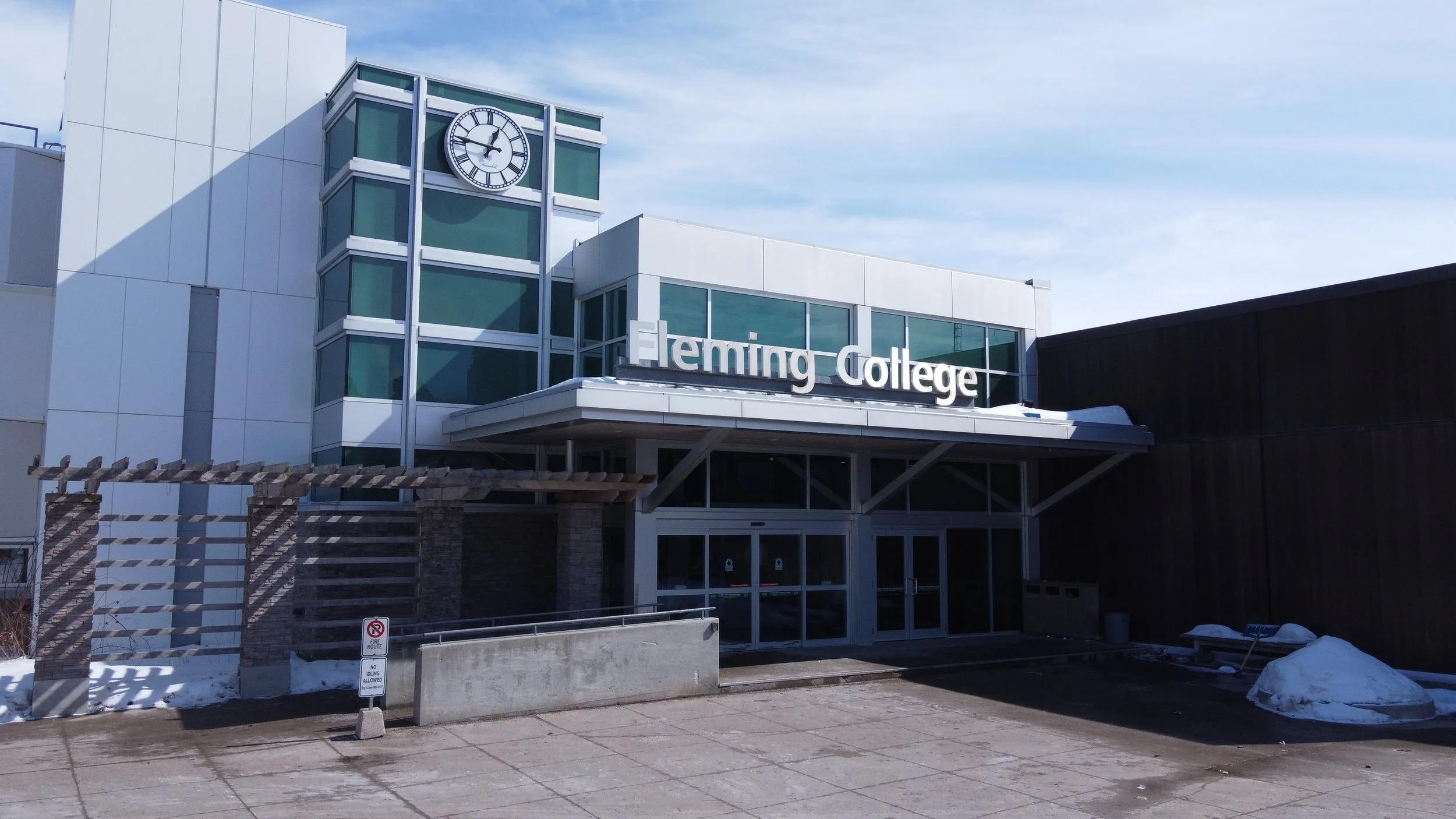
more than 10,000 full-time college support staff, represented by OPSEU/SEFPO, are on strike across Ontario’s 24 public colleges. File Photo.
The OPSEU represents full-time support staff but does not directly involve full-time or part-time academic employees. It also does not include part-time support staff. According to OPSEU, over the last year, 10,000 faculty and support staff have been laid off, and more than 650 programs have been cut.
“We’ve lost 10,000 jobs across the system this year alone and more than 650 programs in every community across the province,” said Christine Kelsey, college support bargaining team Chair. “With our colleges plunged into chaos, job security is key to stabilizing the system – because the future of our work is the future of student support.”
According to their website, the OPSEU support staff want the following:
Protect student supports: Job security measures like no contracting out services to for-profit providers, not replacing services with AI and protecting bargaining unit work.
Bring stability to the student experience: An increase in provincial funding, including a moratorium on campus closures and layoffs.
Support for members to take care of their families: Support staff are bargaining for time, such as paid domestic violence leave, leave to care for their families when they are sick and ensuring staff can take time off when needed to care for themselves and their families.
Benefits: Ensuring access to dental care, hearing aids and prescription drugs. This includes life-saving measures and including gender affirmation care.
The strike occurred after a deal could not be reached between OPSEU and the College Employer Council (CEC) on a renewal collective agreement.
“A complete ban on campus closures, college mergers and staff reductions could force colleges into bankruptcy,” said Graham Lloyd, CEC CEO. “CEC has repeatedly advised OPSEU that these types of demands simply can never be agreed to. They are more about broader political campaigns than the benefits we have proposed at the table for their members.”
The CEC states that their final proposal was based on a previous offer of more than $145 million in wage and benefit improvements to the collective agreement.
The additions included:
Enhanced vision and hearing benefits equal to those of academic staff
Improvements to job security regarding new technology
Introduced paid leave for domestic and sexual violence
According to their website, the CEC’s offer is in addition to what was previously offered and includes:
Wage increases of two per cent in each year of the contract
Increased on-call premiums by 75 per cent
Increased shift premiums by 67 and 75 per cent
Enhanced employment stability committee rights
Enhanced vacation carryover rights
Increased recall rights by 50 per cent (to 18 months)
Severance enhancements increased by 50 per cent for employees laid off due to the current financial crisis facing the system
Guaranteeing employee rights to disconnect from work
Removal of CEC proposals that the union communicated as concessionary