13 Historical Facts About Indigenous People In Peterborough Area

Peterborough and the Kawarthas has an amazing native history and culture. Thanks to Rosanna Haroutounian for compiling this listicle for us...
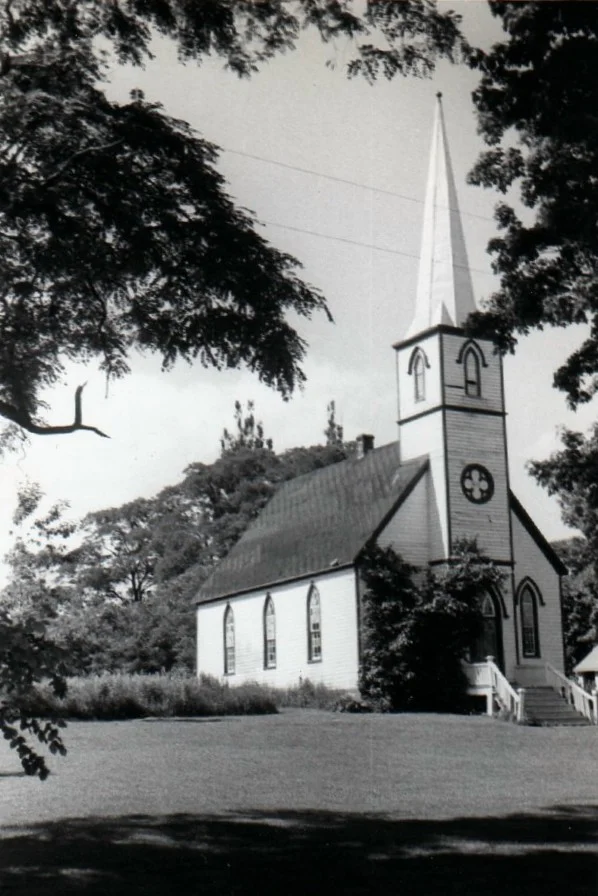
Hiawatha church, 1954

Hiawatha church, 1954

1. Peterborough is the native territory of the Anishinaabeg, a group of indigenous people comprised of the Ojibwa, Odawa, Potawatami, Chippewa, Mississauga, Algonquin, and Delaware communities who controlled the Great Lakes Basin since the late 1600s.

2. Before it became known as Peterborough, the area was called Nogojiwanong, Ojibwa for “place at the end of rapids.”

3. The shores of the Odenabe River were a gathering place for indigenous people. Odenabe, or Otonabee, means “river that beats like a heart.”

4. Anishinaabemowin was widely spoken by the indigenous people in the area before indigenous languages and cultural practices were replaced by English and Christianity through the residential school system.

Eagle painting

Eagle painting

5. Through the treaties and land claims processes, Hiawatha First Nation, Curve Lake First Nation, Alderville First Nation, and the Mississaugas of Scugog First Nation have been established in the Peterborough area. These nations refer to themselves officially as Mississaugas.

6.  By some accounts, the Mississaugas moved to southern Ontario, including the Peterborough area, from their homeland north of Lake Huron at the start of the 1700s. According to Curve Lake First Nation, however, the Mississaugas were originally from the Peterborough area. They migrated to the Mississauga River at the North shore of Lake Huron in the mid 1600s. They lived there temporarily to avoid disease and conflict resulting from British and French competition over the fur trade.
7. When Elsie Knott became chief of Curve Lake First Nation in 1954, she became the first Anishnaabe Kwe O’gimaa, or Native Female Chief, in Canada.

8. The first Mission House in Peterborough County was built at Rice Lake, present-day Hiawatha First Nation, in 1823. The Mission house, or church, was Methodist. It became Hiawatha United between 1925 and 1929.
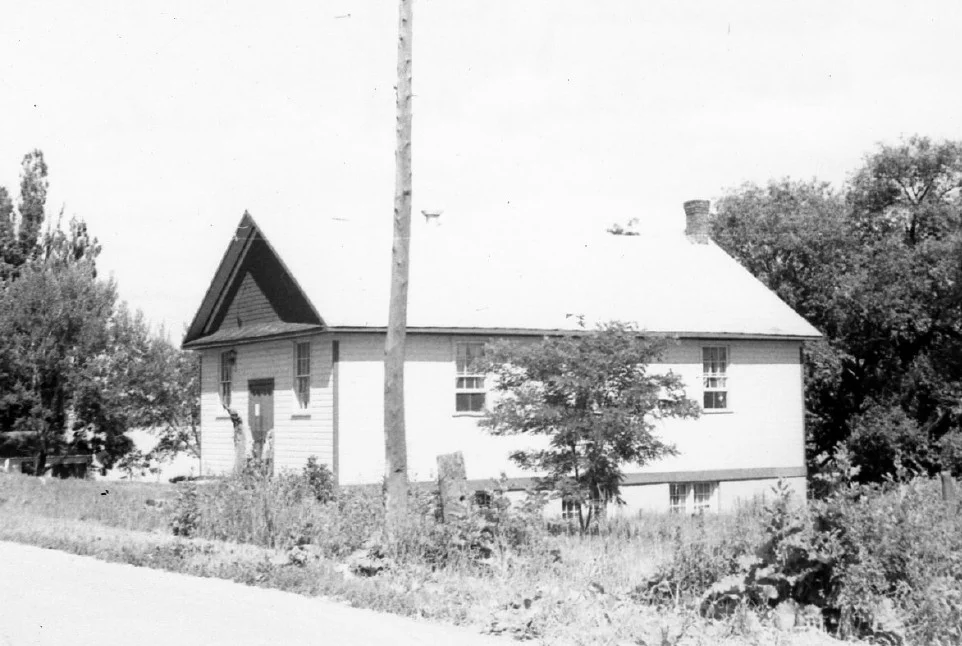
Hiawatha Community Hall, 1954

Hiawatha Community Hall, 1954

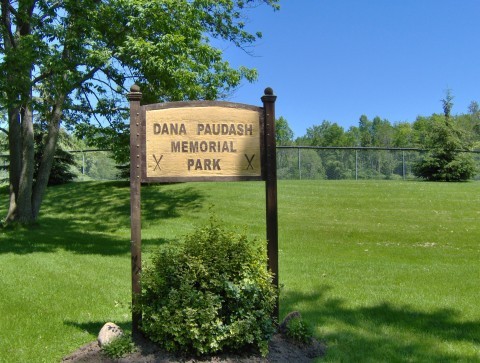
9. Nathan Baggs, the first Methodist Missionary in Western Ontario, baptized Chief Paudash and most of his band at present-day Hiawatha First Nation in about 1820.

10. When Trent University established the Indian-Eskimo Studies Program in 1969, it became the first university in North America to have a department dedicated to the study of Aboriginal people. The program became the Department of Native Studies in 1972, leading the way for other native studies programs in Canada.
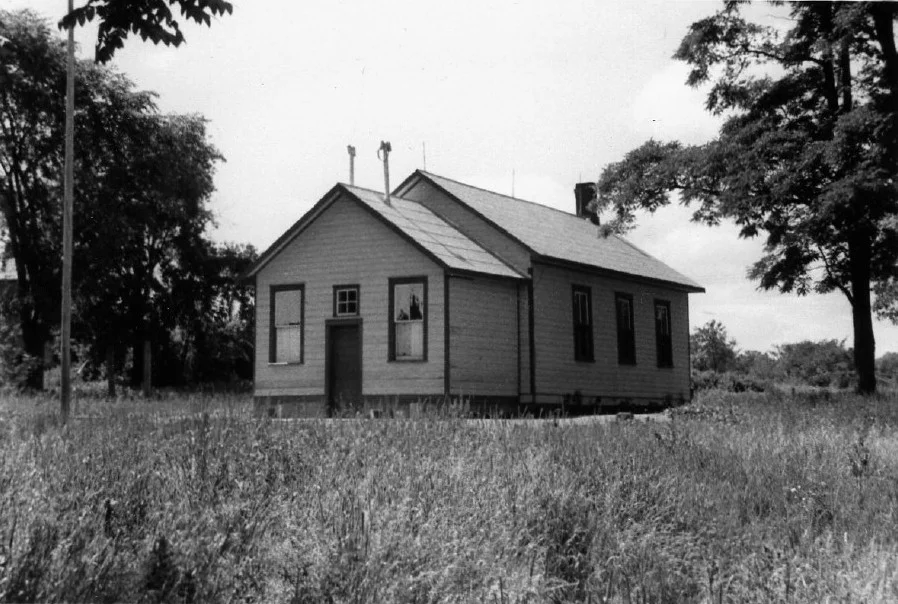
Hiawatha school, 1954

Hiawatha school, 1954

11. In 1978, Trent became the first Canadian university to establish a four-year Indigenous Studies Bachelor of Arts honours program, and in 1986, the Department of Native Studies at Trent worked with the Trent Frost Centre for Native Studies and Canadian Studies to develop the first Master of Arts program in Native Studies.

12. The first Native Studies PhD program in Canada was launched at Trent University in 1997. Its first graduates were awarded PhDs in 2005. In 2006, the Department of Native Studies changed its name to Indigenous Studies.

13. As part of the new four-year indigenous studies program, courses in the Anishnaabe and Mohawk languages were offered for the first time at a Canadian university. Trent University hired elders as course instructors to teach language and indigenous culture courses.

—guest post by Rosanna Haroutounian

[photos via hiawathafirstnation.com]

Tip us at tips@ptbocanada.com. Follow us on TwitterPinterest and Instagram, and Like us on Facebook.

2014 Peterborough Jane's Walk Is This Saturday

Jane's Walk is a yearly celebration in memory of urban activist and writer Jane Jacobs, who promoted getting out and learning more about your community.

“No one can find what will work for our cities by looking at … suburban garden cities, manipulating scale models, or inventing dream cities. You’ve got to get out and walk.” 

—Jane Jacobs, Downtown is for People, 1957

The Peterborough walk has a timely subject of Old Growth Forests in Jackson Park: Exploring Treasured Trees, Transitions, and Terminology. The walk starts at 9 a.m. Saturday (May 3rd) at the playground under the tall white pines of Jackson Park (top of Monaghan Road). It will be two hours long, and is family and dog friendly. There are steep hills and uneven terrain, so wear proper footwear.

"What makes a heritage tree? How does geology influence forest ecology? How old is old growth?

Join Chris Gooderham—Urban Forest Ecologist, and John Etches—Educator & Geologist, on an interpretive tour of Peterborough's greatest stand of white pine, maple, cedar, and hemlock. We'll walk through the oldest grove of trees in the heart of Jackson Park, examining tree growth, soil conditions, typography and ecosite transitions along the way.

During the walk, participants will engage in a conversation about why Jackson Park is one of the most cherished, unique, natural urban parks in all of Canada. We will also ponder what Peterborough stands to loose with the construction of the Parkway Bridge through the heart of the Jackson Creek Valley.

Walk will be approximately 1.5 to 2 hrs in duration on a combination of wide and narrow hiking trails, moderately steep slopes, and uneven ground. We'll make several stops along the way."


[Contributed by PtboCanada's Evan Holt]

Tip us at tips@ptbocanada.com. Follow us on Twitter and Instagram, and Like us on Facebook.

2014 Doors Open Peterborough Is This Saturday

Every year, Doors Open gives you the opportunity to discover first-hand Ontario’s hidden heritage treasures. Doors Open Peterborough is this Saturday (May 3rd), from 10 a.m. to 4 p.m. and will give you the chance to visit...

  • Auburn Generating Station (908 Water Street)
  • Fallen Firefighter Memorial and Historical Pumper Truck (Del Crary Park)
  • Kirkland Engineering (570 Water Street)
  • Peterborough Airport (925 Airport Road)
  • Peterborough Memorial Centre (151 Lansdowne Street West)
  • Peterborough and District Sports Hall of Fame (151 Lansdowne Street West)
  • Peterborough Museum and Archives (300 Hunter Street East - Museum Drive)
  • Confederation Square (501 George Street North)
  • TV COGECO (1111 Goodfellow Road)

[Contributed by PtboCanada's Evan Holt]

Tip us at tips@ptbocanada.com. Follow us on Twitter and Instagram, and Like us on Facebook.
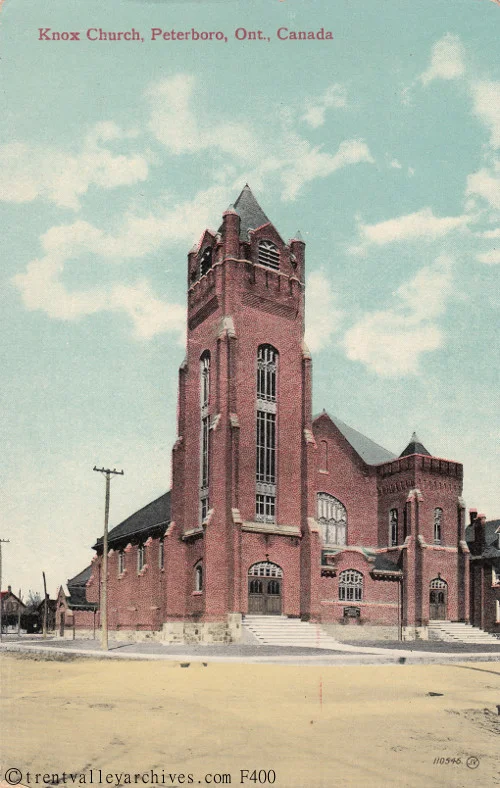
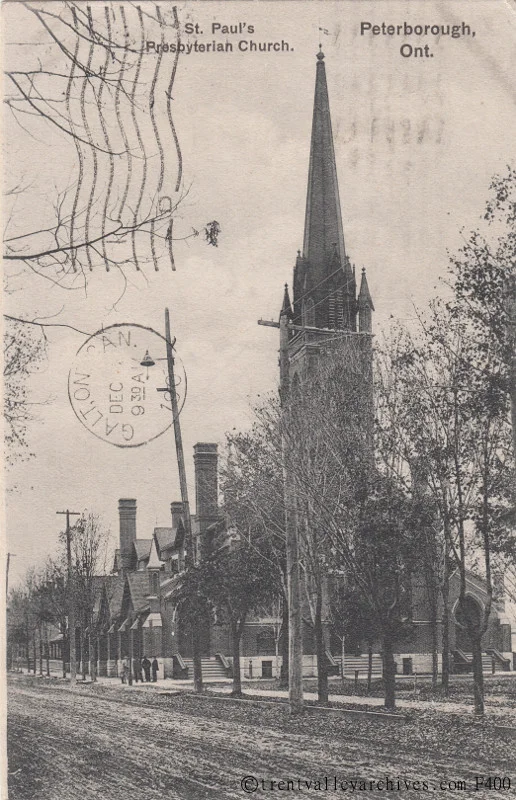
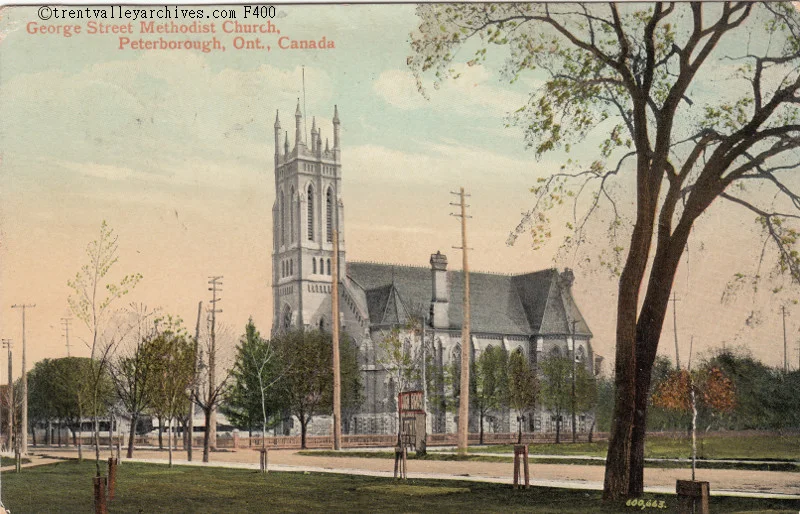
Postcards Of Peterborough Churches From Over The Years

Thanks to Trent Valley Archives for supplying us with these...

Knox 01a.jpg
St Andrew's Methodist 01a.jpg
St. Paul's Presbyterian 03a.jpg
George Street Methodist 02a.jpg

Tip us at tips@ptbocanada.com. Follow us on Twitter and Instagram, and Like us on Facebook.

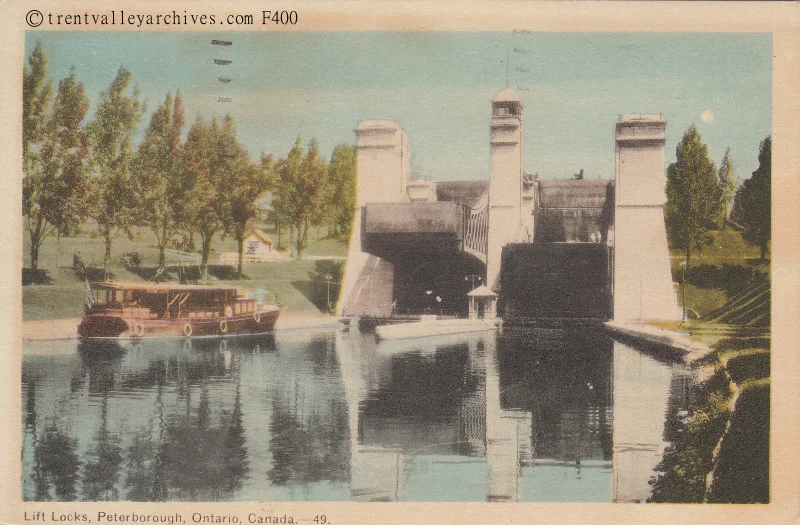
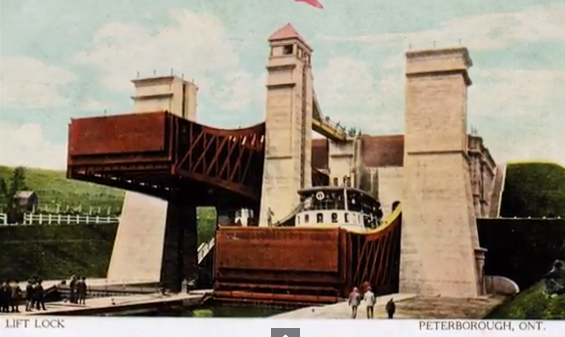
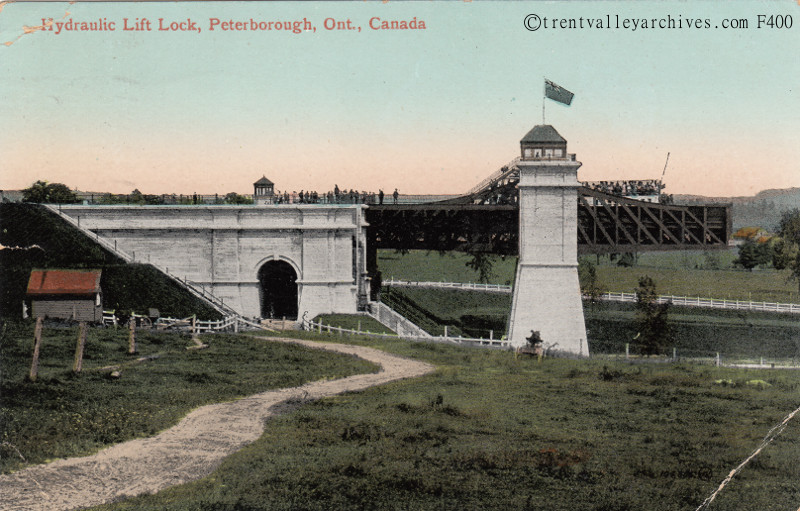
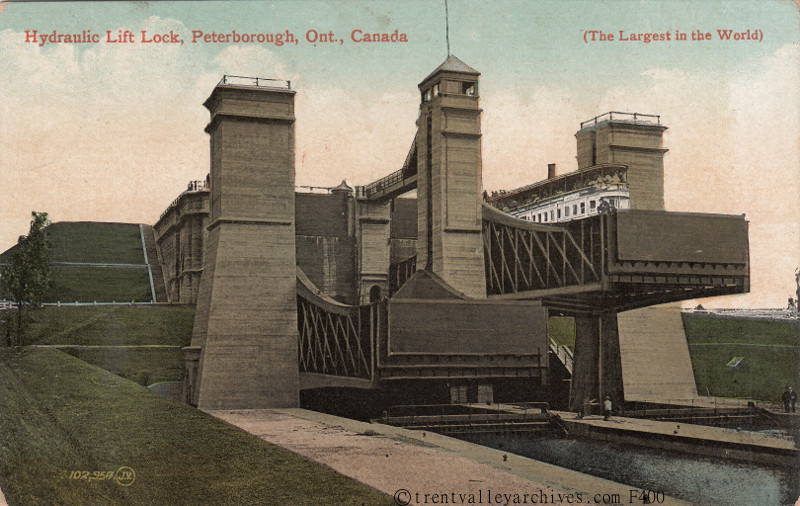
Old Postcards Of Lift Lock

Through a unique partnership we have with Trent Valley Archives to bring local history to life, we bring you these gems...

Lift Locks 05a.jpg
Lift Locks 06a.jpg
Lift Locks 12a.jpg

Tip us at tips@ptbocanada.com. Follow us on Twitter and Instagram, and Like us on Facebook.
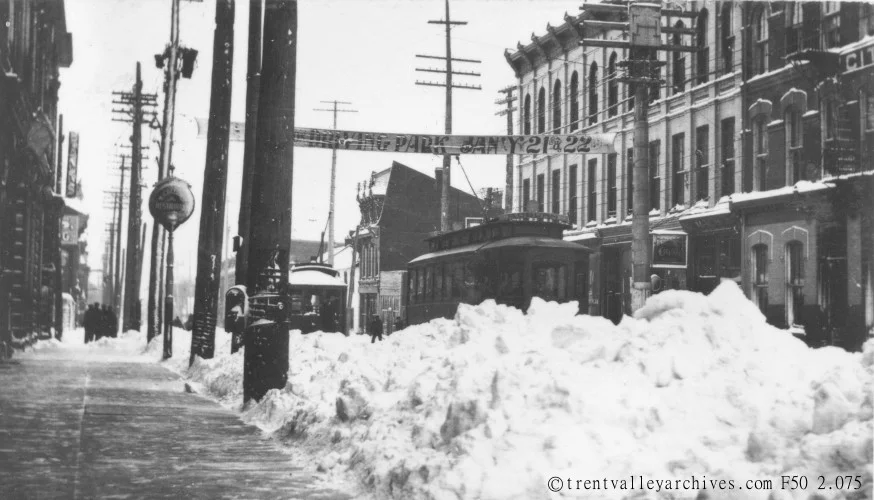
10 To 15 cm of Snow Enroute, Here's What A Snowstorm Looked Like In 1907

About 10 to 15 cm of snow is projected for Saturday, with the chance of freezing rain. Miserable! Here's what George St. (lookin south from Simcoe St) looked after a snowstorm circa 1907 (at least the sidewalks look clear).

photo courtesy Trent Valley Archives

photo courtesy Trent Valley Archives

Tip us at tips@ptbocanada.com. Follow us on Twitter and Instagram, and Like us on Facebook.

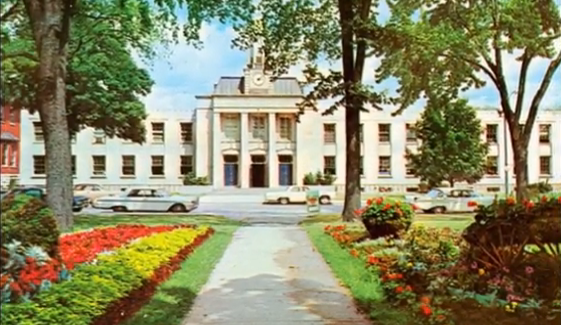
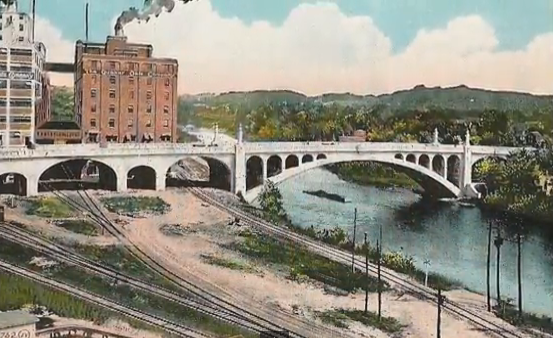
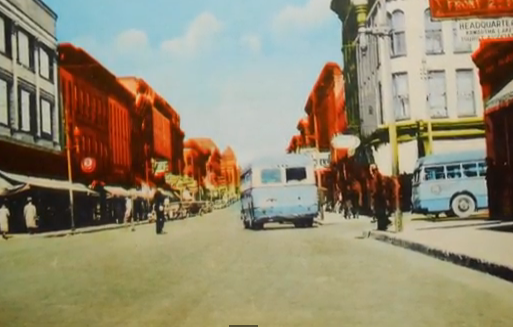
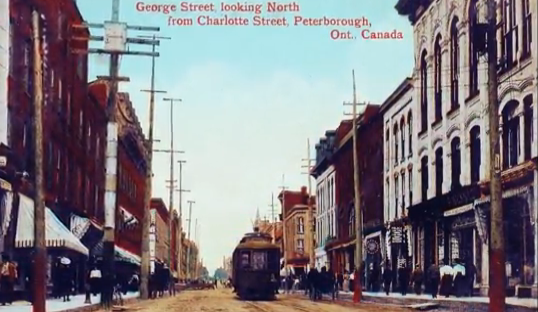
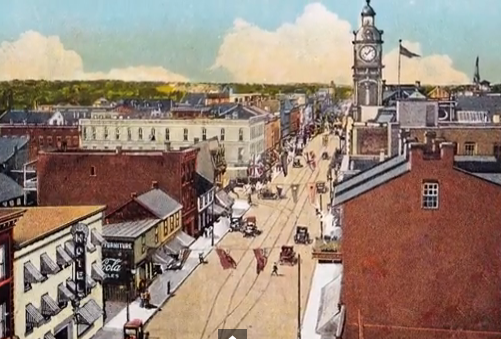
Look: We Love These Vintage Postcard Scenes of Peterborough

Screen shot 2013-11-04 at 2.29.24 PM.png
Screen shot 2013-11-04 at 2.30.05 PM.png
Screen shot 2013-11-04 at 2.28.22 PM.png
Screen shot 2013-11-04 at 2.26.31 PM.png
Screen shot 2013-11-04 at 2.25.59 PM.png
Screen shot 2013-11-04 at 2.25.44 PM.png


Tip us at tips@ptbocanada.com. Follow us on Twitter and Instagram, and Like us on Facebook.

PTBOCanada Pics: Canadian Canoe Museum At The Toronto Boat Show

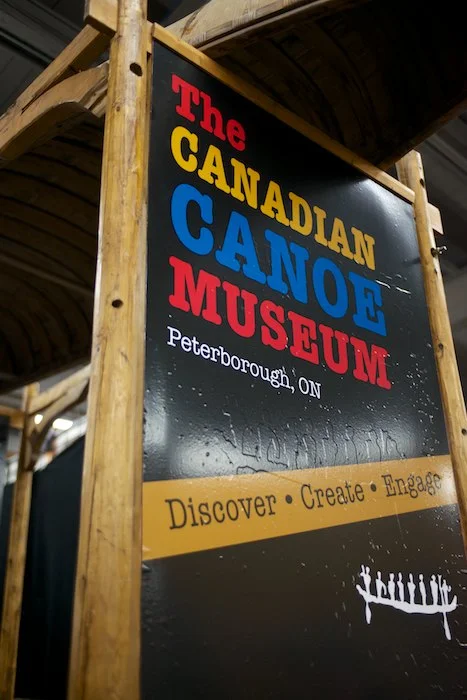
CanoeMuseumBooth.jpg

The Canadian Canoe Museum has an interactive booth at the Toronto International Boat Show (which runs January 11th to 19th).

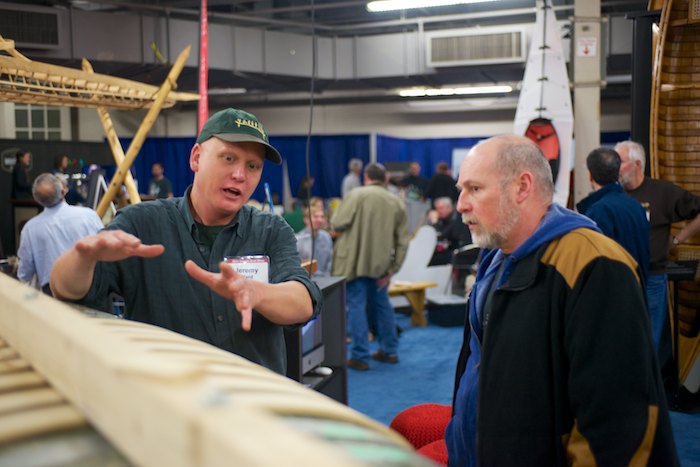
The booth has historic canoes, a paddle carving studio (in which you can sign up for a special one-day workshop on Thursday, January 16th or Friday, January 17th), a kids zone and an actual canoe building workshop.

[Contributed by PtboCanada's Evan Holt]

Tip us at tips@ptbocanada.com. Follow us on Twitter and Instagram, and Like us on Facebook.
Jeremy Ward describing the steps it takes to create a Canoe

Jeremy Ward describing the steps it takes to create a Canoe

A 14' Canvas-Covered Canoe

A 14' Canvas-Covered Canoe

PaddleCarvingSteps.jpg

PTBOPics & Coverage: Jane's Walk 2013 Peterborough Creek Mystique

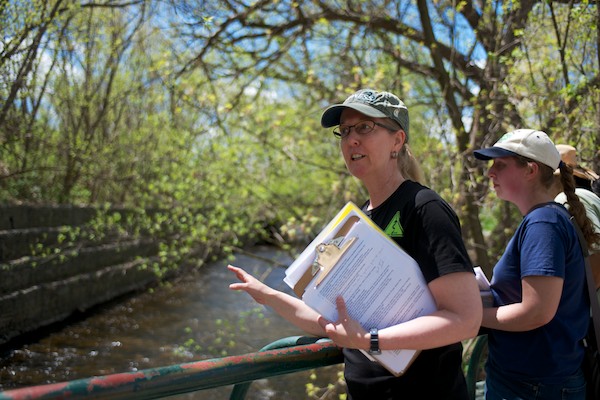
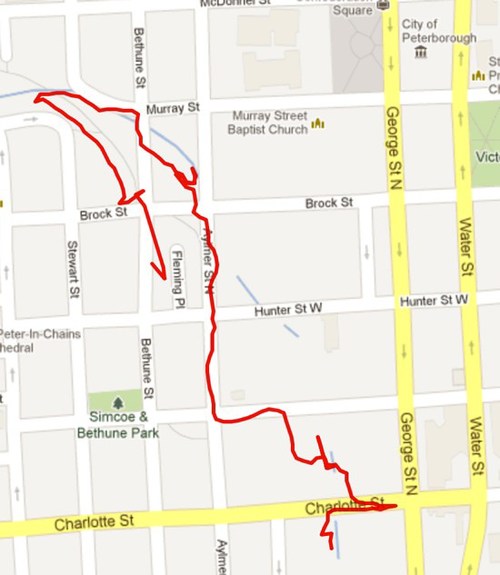
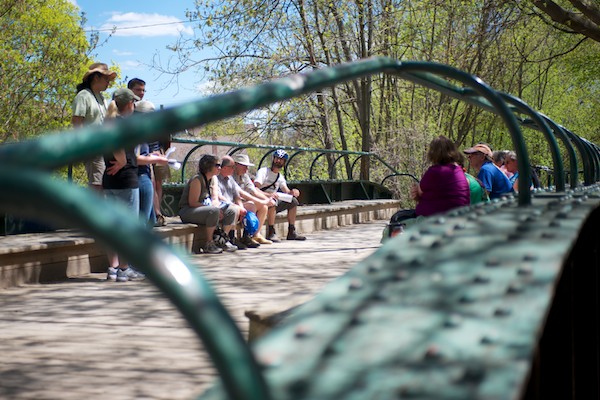
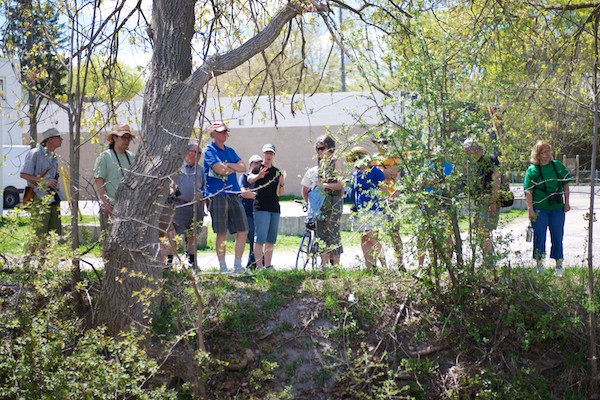
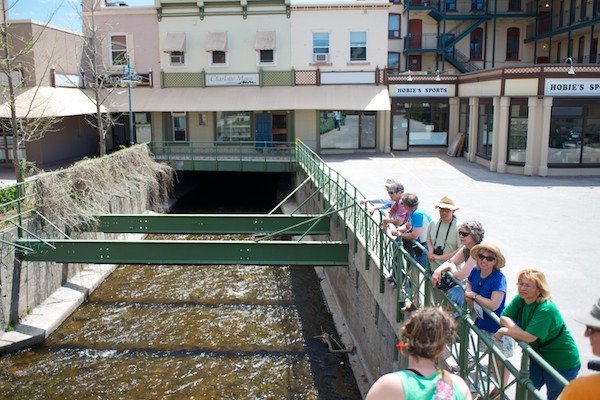
Peterborough had five Jane's Walks this year and we attended the Creek Mystique walk which was guided by Kim Zippel and Gina Varrin. This walk was to introduce us to the importance and historic past of Jackson Creek, which runs through the heart of Peterborough.

As everyone gathered to set off on the hike, there was a funny moment where our walk guides had to stop midstory until a noisy car had finished driving by, and yet nearby bicycles proved to be quite unobtrusive. Perhaps a nod to Jane's thoughts on urban lifestyle.

We learned that the Oak Ridges Moraine to the West supplies the headwaters for Jackson Creek and the creek itself is 155 km long. It even supplied water to local mills who processed Red Fife Wheat back in the 1840s, which is a living artifact that is part of Canada's living history (and can still be found in a locally brewed beer).

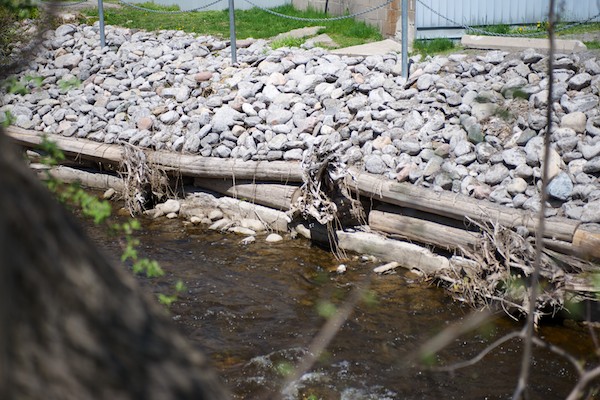
The walk had numerous stops along the way to point out changes over the years, to both the creek itself and the surrounding area. As we build up the city (i.e. more roads and development, less trees) there is an impact on Jackson Creek and its biodiversity. Man-made objects such as Gabion Baskets have been placed along a high ridge to keep the hill at bay, but as we learned later in the walk, while they are effective they might not be the best choice for a diverse ecosystem. With the natural riparian area displaced, we loose things such as filtration and a root system that prevents erosion.

One of the interesting projects that happened after the 2004 Peterborough flood was that of a downtown Peterborough business that was almost swept away due to erosion. The Otonabee Region Conservation Authority oversaw the restoration of the Jackson Creek banks next to this business. Cedars were harvested alive to keep the roots, with the hopes that they would grow back into the bank and help stabilize it. Stone, rock and rebar was used to help fortify it, and so far it has been successful (and a fairly new idea).

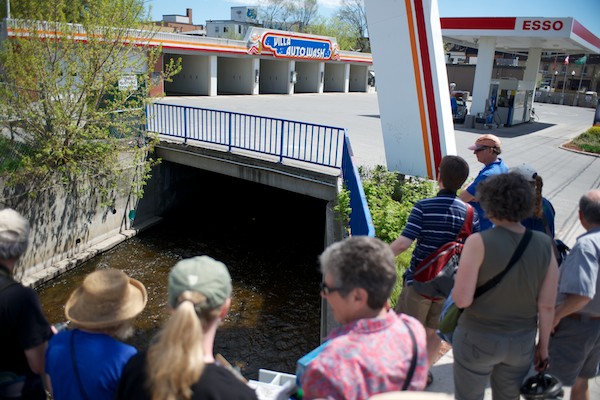
If you live downtown Peterborough, you might forget that the creek is even there, but you can see it disappear under the city at Brock Street and Alymer.

In 1955, there was a plan put forth to "daylight" the creek, which meant to expose sections of it to daylight. Again, this would help the riparian area, but as our walk leaders opened the idea to conversation we all agreed that it would also help the natural well-being of the public. The flowing water helps lift the moods of those within earshot, is visually appealing and could be made into a public attraction.

Kudos to the very knowledgable Kim and Gina and the Peterborough Field Naturalists for organizing this walk. Not only did they have plenty of historic tidbits, but in true Jane's Walk fashion they opened every thought for group conversation. There were no "wrong answers" and it made for very light and interesting discussion.

Jane Jacobs (1916-2006) was an urbanist and activist who envisioned cities as ecosystems that changed over time. She felt that it was better for both community and your own personal health for less auto infrastructure, and more of a diverse, greener, interactive community. You can read her book The Death and Life of Great American Cities and take part in the Jane's Walks which run every year in her memory.

[Contributed by PtboCanada's Evan Holt]

Tip us at tips@ptbocanada.com. Follow us on Twitter @Ptbo_Canada (hashtag #bethechangeptbo) or Like us on Facebook.

PTBOCanada Pics From Doors Open At PUC & Fire Station #3

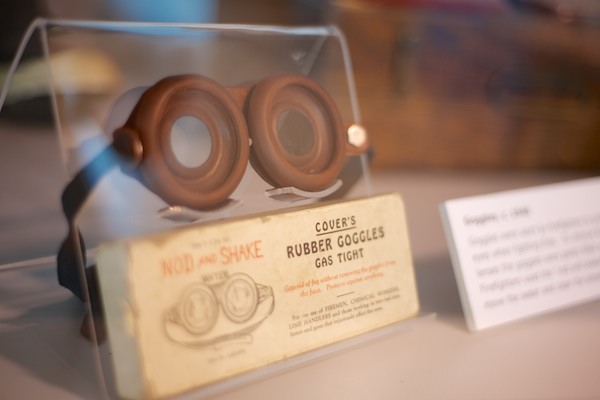
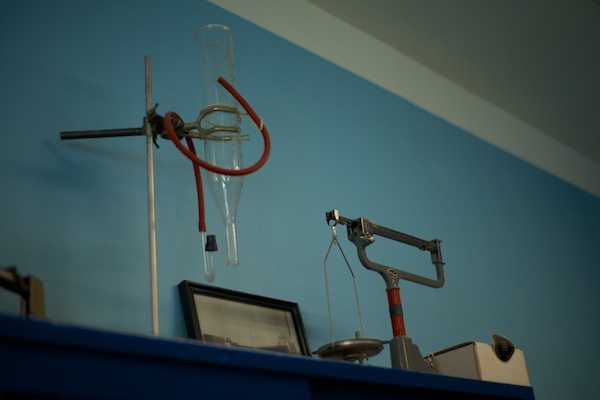
We had a chance to pop in to both the PUC's Water Treatment Plant (1230 Water Street) and the Peterborough Fire Station #3 (839 Clonsilla Avenue) during Saturday's Doors Open. One neat thing is that despite how modern both buildings were, they both contained a link to the past. The Fire Station has a mini museum of older firefighting equipment, including a pair of "Cover's Gas Tight Rubber Goggles" from the 1940s, and the water treatment plant has an older scale and testing equipment. Nice to see that Peterborough's past is not forgotten.

[Contributed by PtboCanada's Evan Holt]

Tip us at tips@ptbocanada.com. Follow us on Twitter @Ptbo_Canada (hashtag #bethechangeptbo) or Like us on Facebook.