A View From The Road: Peterborough Paramedic Kelly Convery On Her Experience Being On Front Lines During This Pandemic

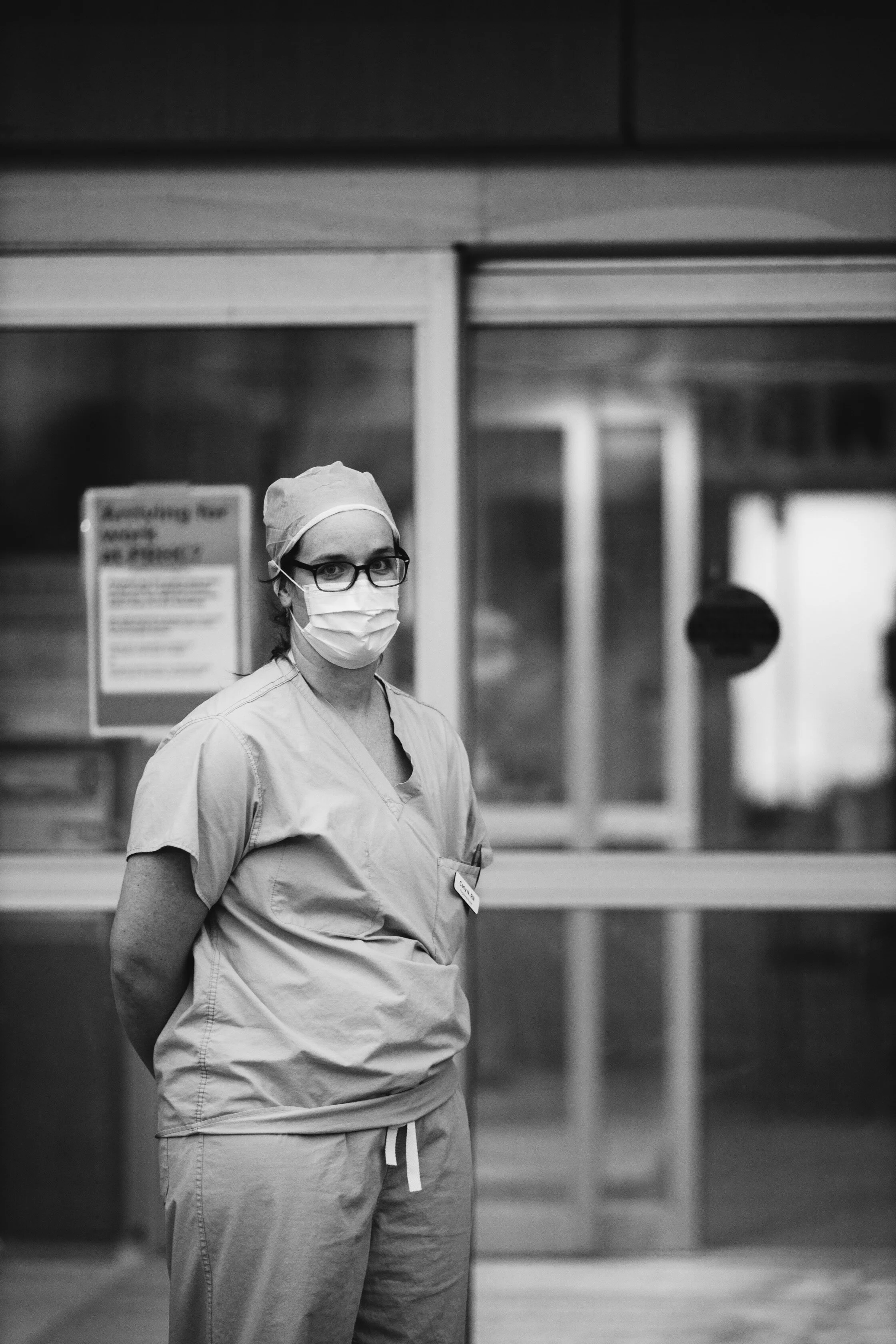
In the fourth installment of a PTBOCanada series on the experiences of frontline healthcare workers in Peterborough produced by Mary Zita Payne, Peterborough County/City paramedic Kelly Convery gives us a firsthand look on what it’s like being on the frontlines during the pandemic. Here is her experience in her own words…

March 8, 2020. I was at home, a typical Sunday family day.

March 9, 2020. My first day returning to work from maternity leave, starting my retraining process.

March 11, 2020. A pandemic was declared.

My name is Kelly Convery and I have been a paramedic with Peterborough County/City Paramedics since 2009. This is a job I had wanted to pursue since elementary school. This is the job that I believe I was meant to do. This is the job I am proud to do, but this isn’t the same job it once was.

Starting a shift, you never know what your day/night will bring. We don’t know if it will be quiet with stable patients or extremely busy with critically ill patients. We don’t know where our calls will be—they could be from a house in the west end of town or to a remote cottage in Apsley. We have a lot of uncertainty and unpredictability in our job. Uncertainty is something I would say we are familiar and even comfortable with.
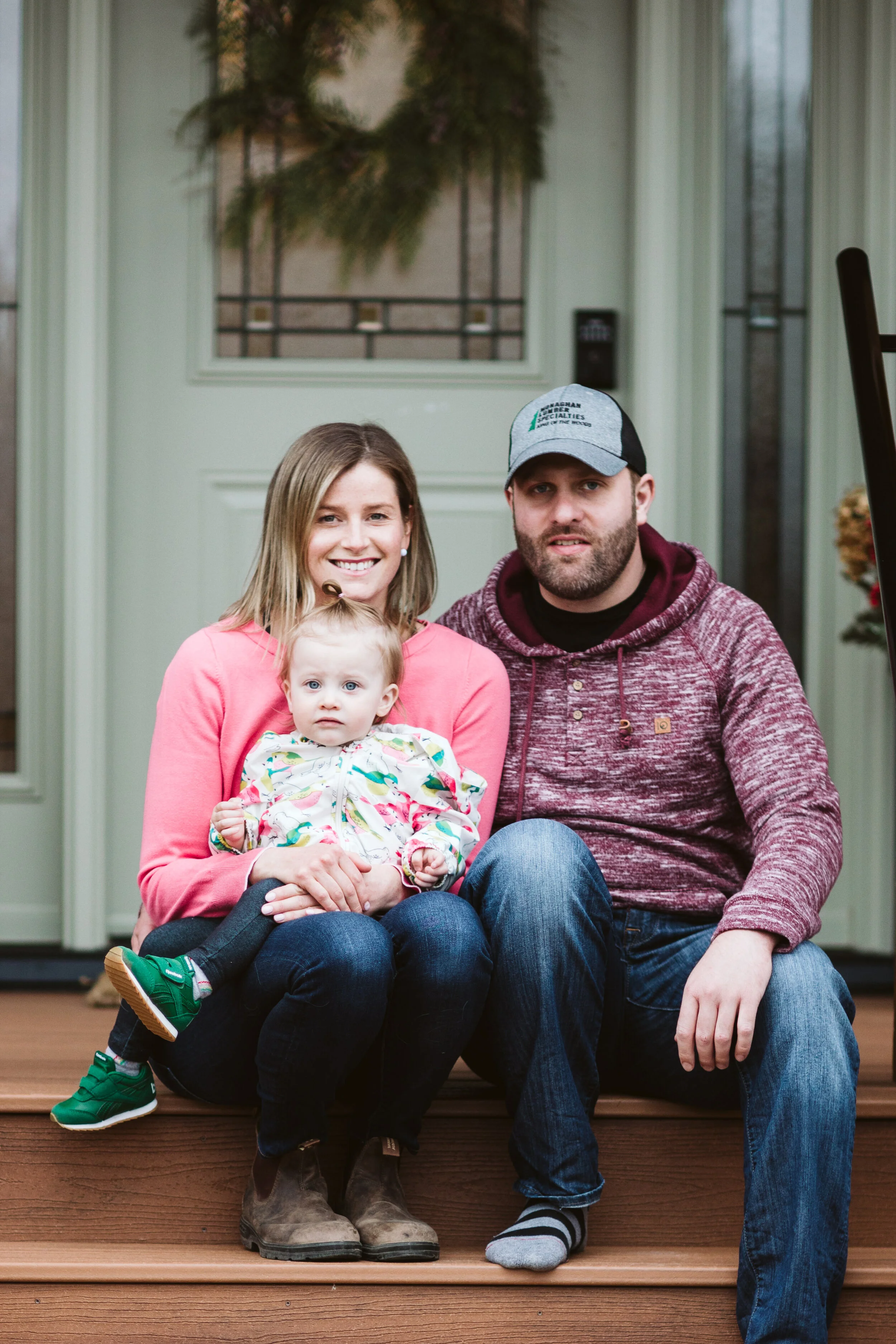
Kelly with her baby, Ava, and husband, Ian (photographed by Mary Zita Payne)

Fast forward to April 6, 2020. My first shift back on the road after re-training. I have never felt this level of uncertainty. Our medical directives and policies/procedures are being rewritten faster than we can read. The cognitive overload is real. Our management is working tirelessly to keep us up to date, educated, informed, and safe.

I feel as though my first step back into work is a dive into rapid waters. We are all trying to stay afloat. We are clinging onto what information we know and swimming the rapids. We are striving for perfection. We make sure every square inch of our ambulance is disinfected, multiple times per shift. We make sure we have our gowns, gloves, surgical masks, N95 masks, goggles, face shields, and tyvek suits ready for each call, in case our patient screens positive for COVID 19.
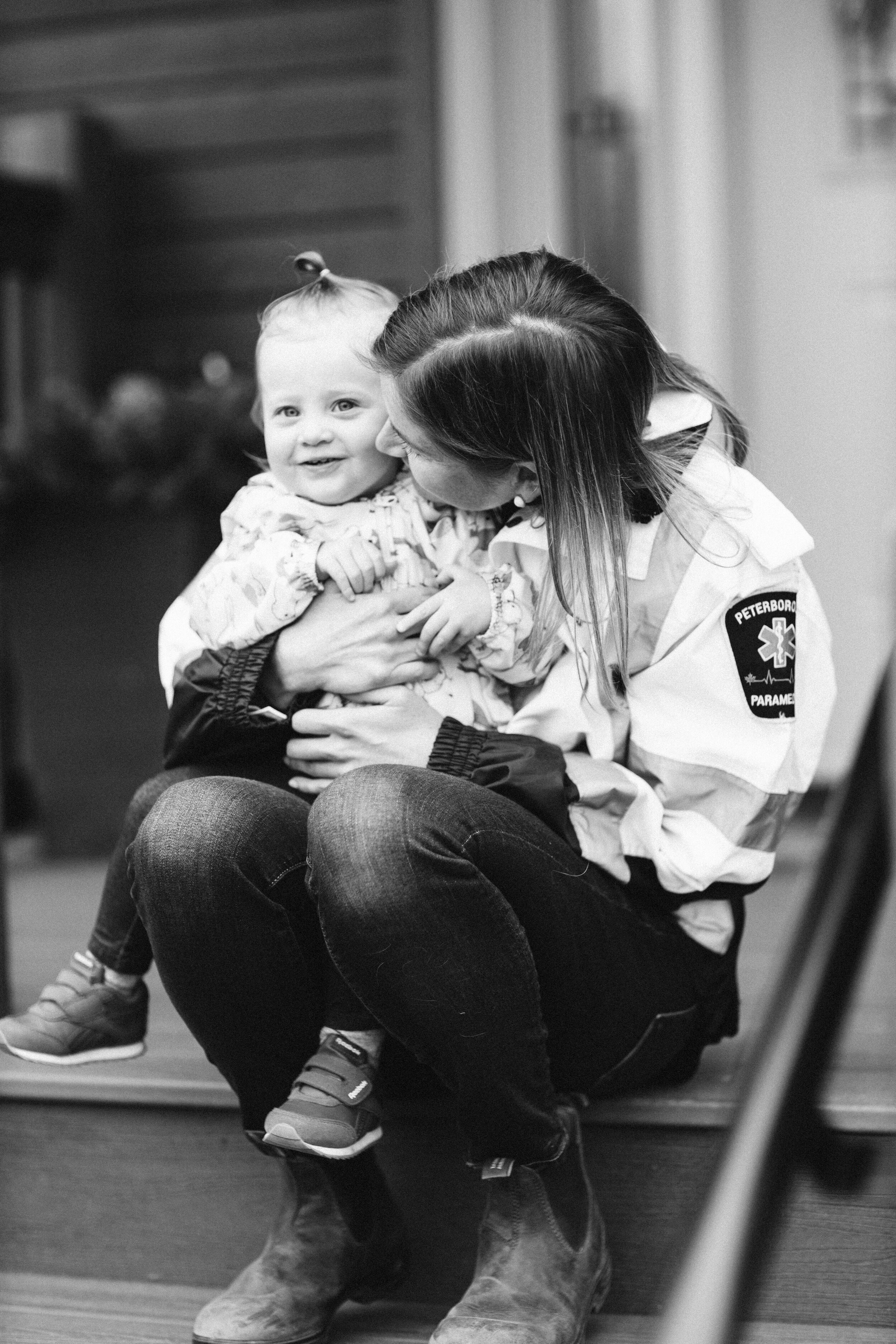
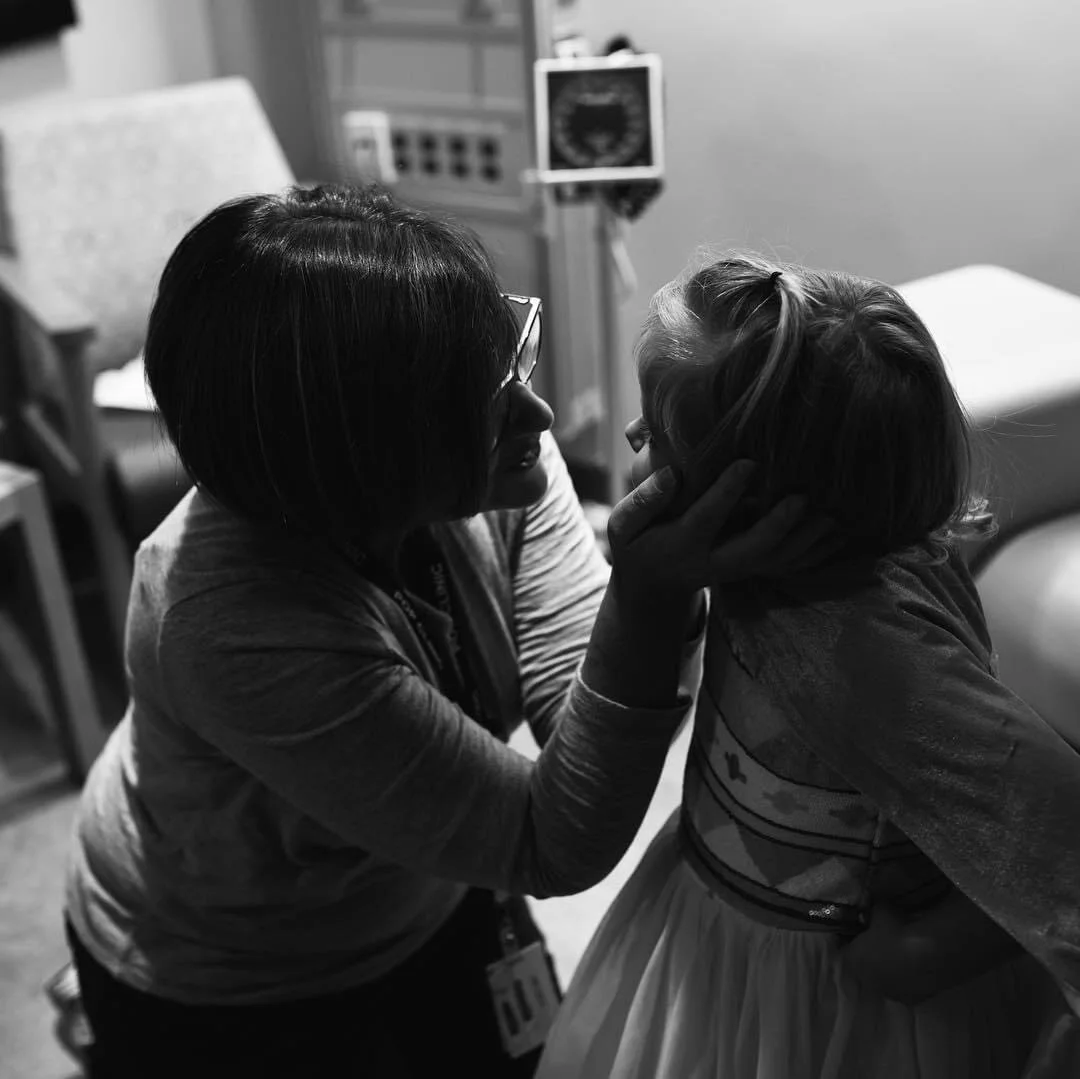
Kelly and Ava (photographed by Mary Zita Payne)

We make sure we apply this PPE appropriately. We make sure we take it off appropriately. In between, we make sure we are providing the best possible care to our patients. We typically meet our patients and have 15 +/- minutes to understand their full medical history, why they called 911, and what the most appropriate treatment is for them.

That 15 minutes is reduced to 1 minute when we are met with a critically ill patient. In the back of our minds, we are processing our PPE choices, our negative or positive COVID screening choice, our patient’s presentation, their medical history, the interventions needed, and their transportation to the hospital. It’s a lot.

I find myself cycling between fear and faith in these moments. I can’t seem to stay in one spot. I fear for the health and safety of my daughter and husband. I fear I will inevitably bring this illness home, regardless of the strict precautions that I take. I know I am not alone in this. I hear these fears echoed at work each day, yet we show up. We put on our uniform and tie our boots.

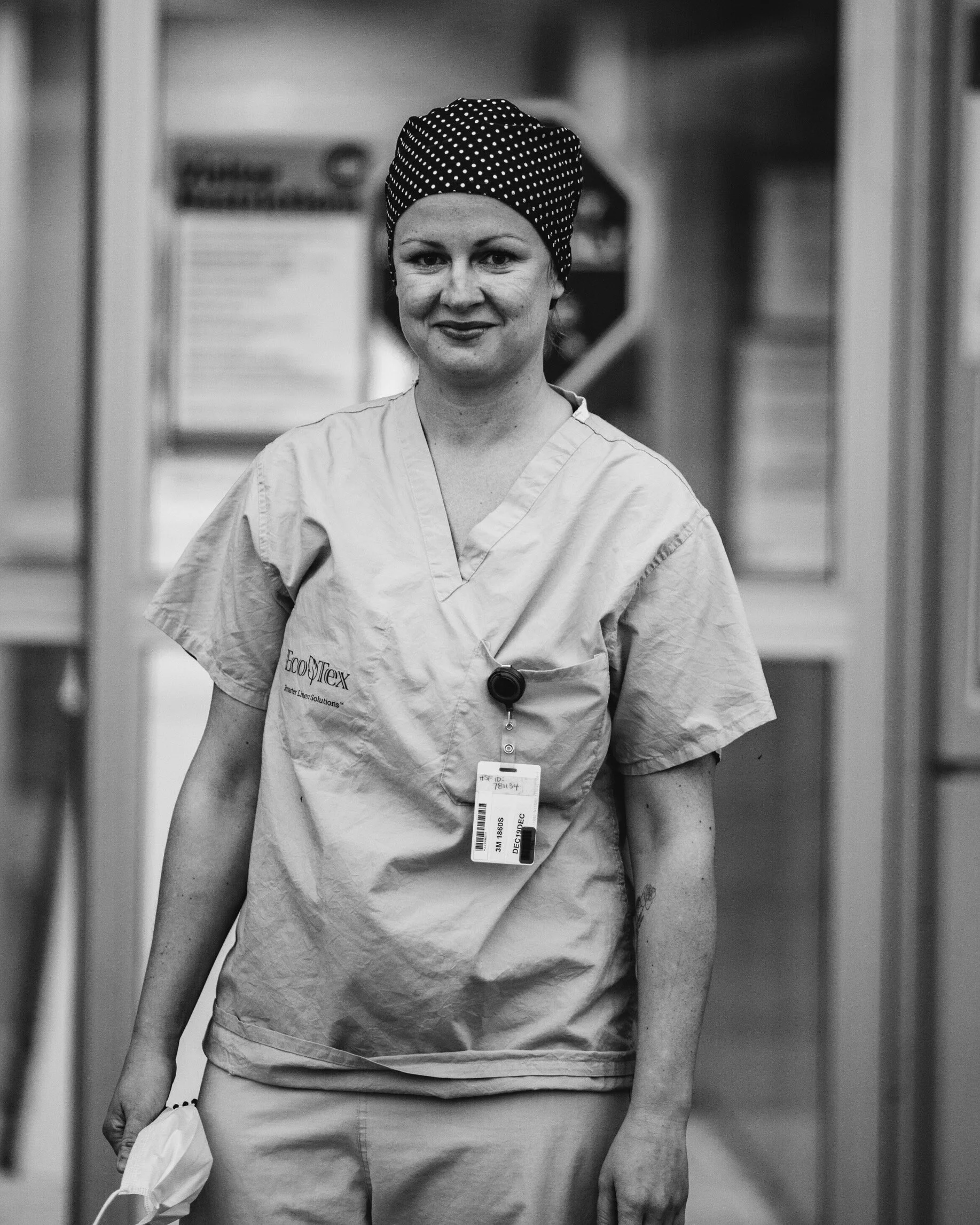
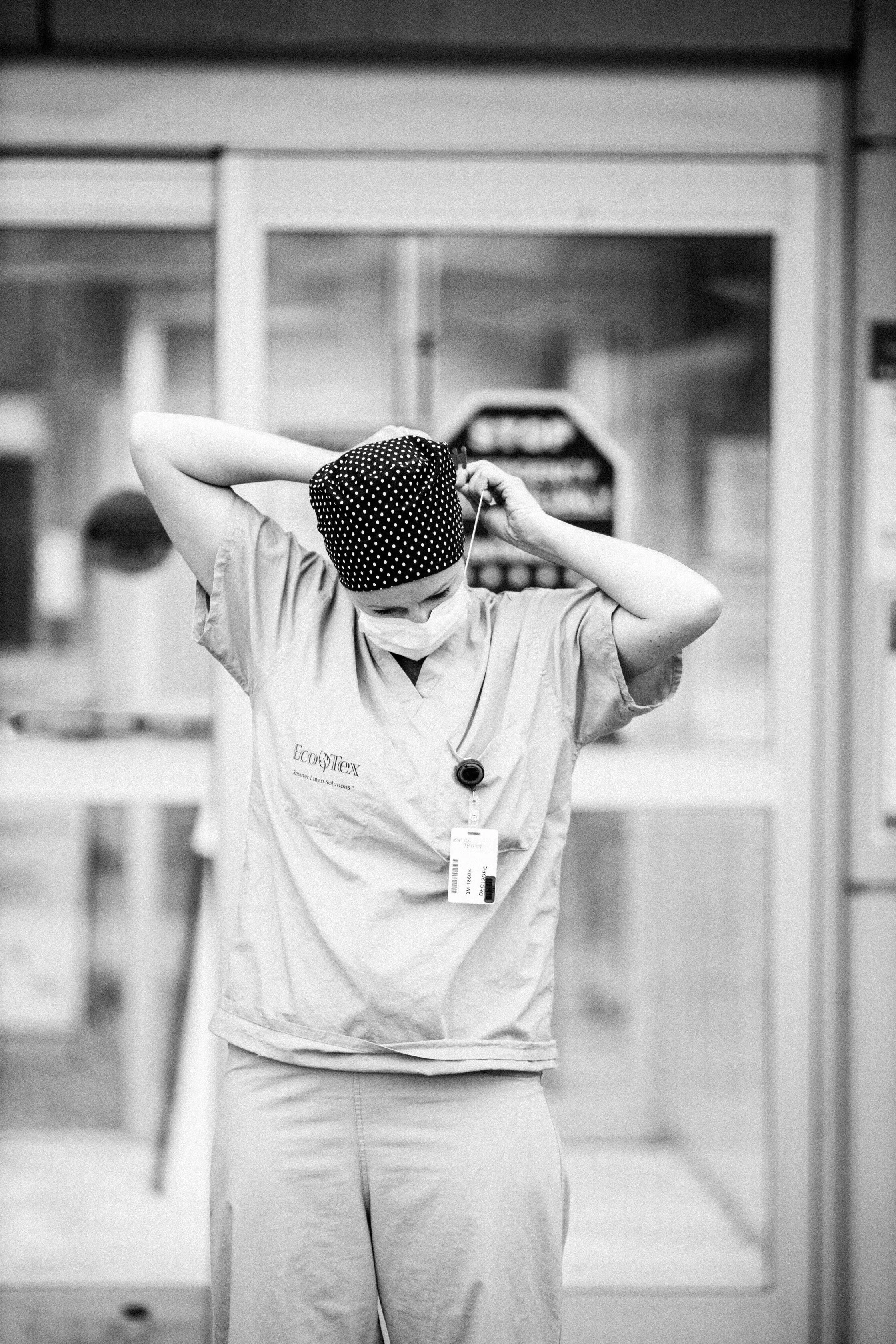
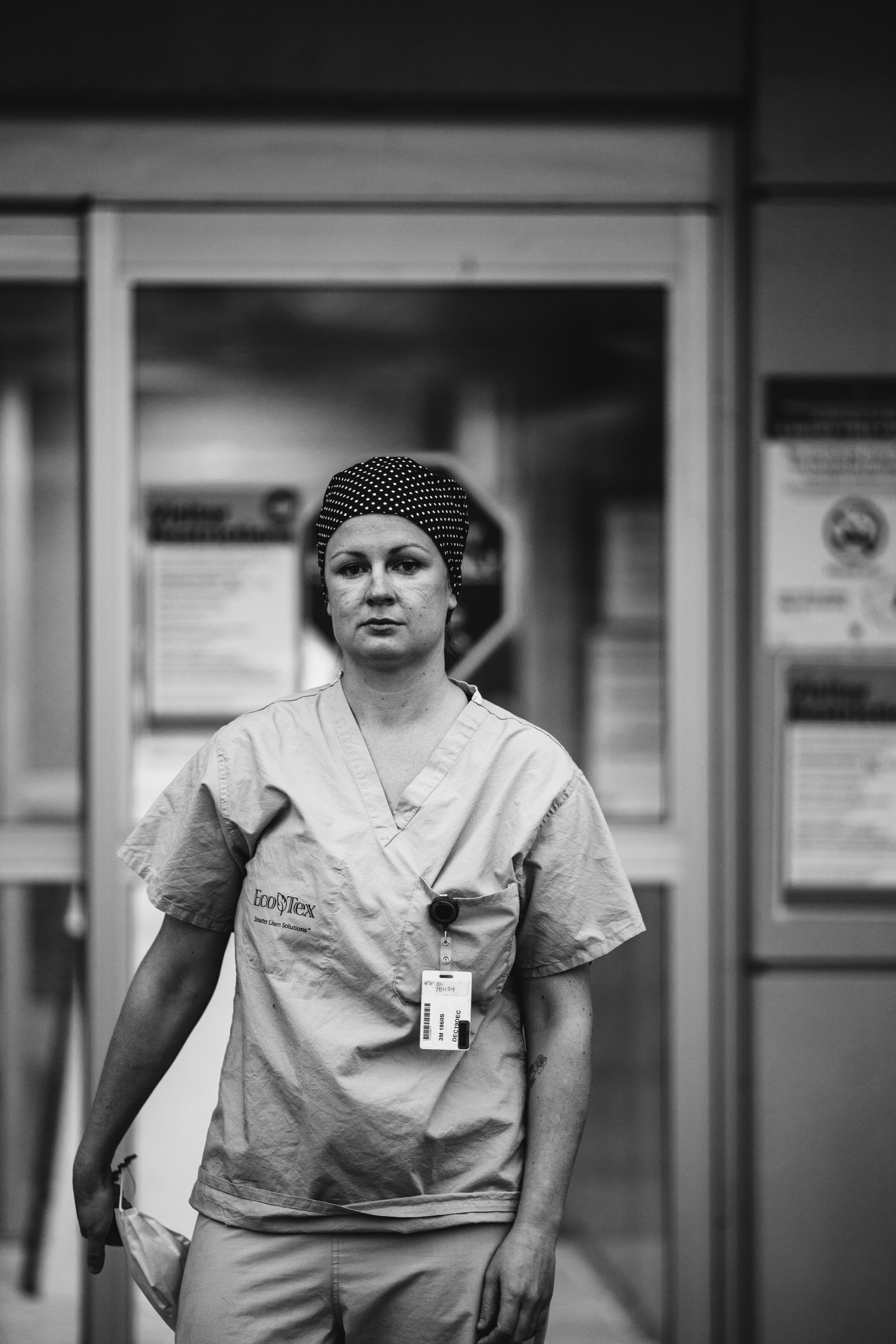
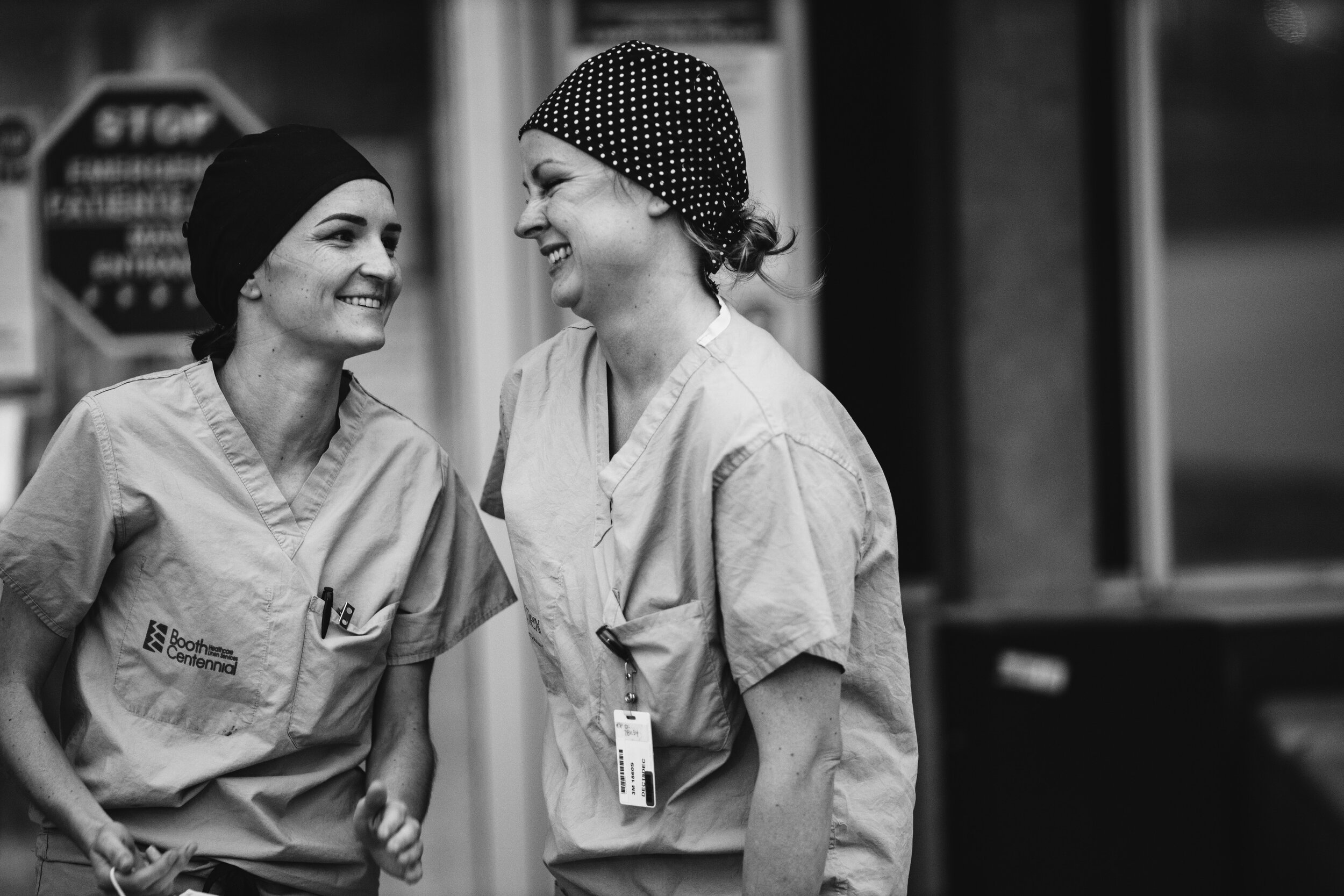
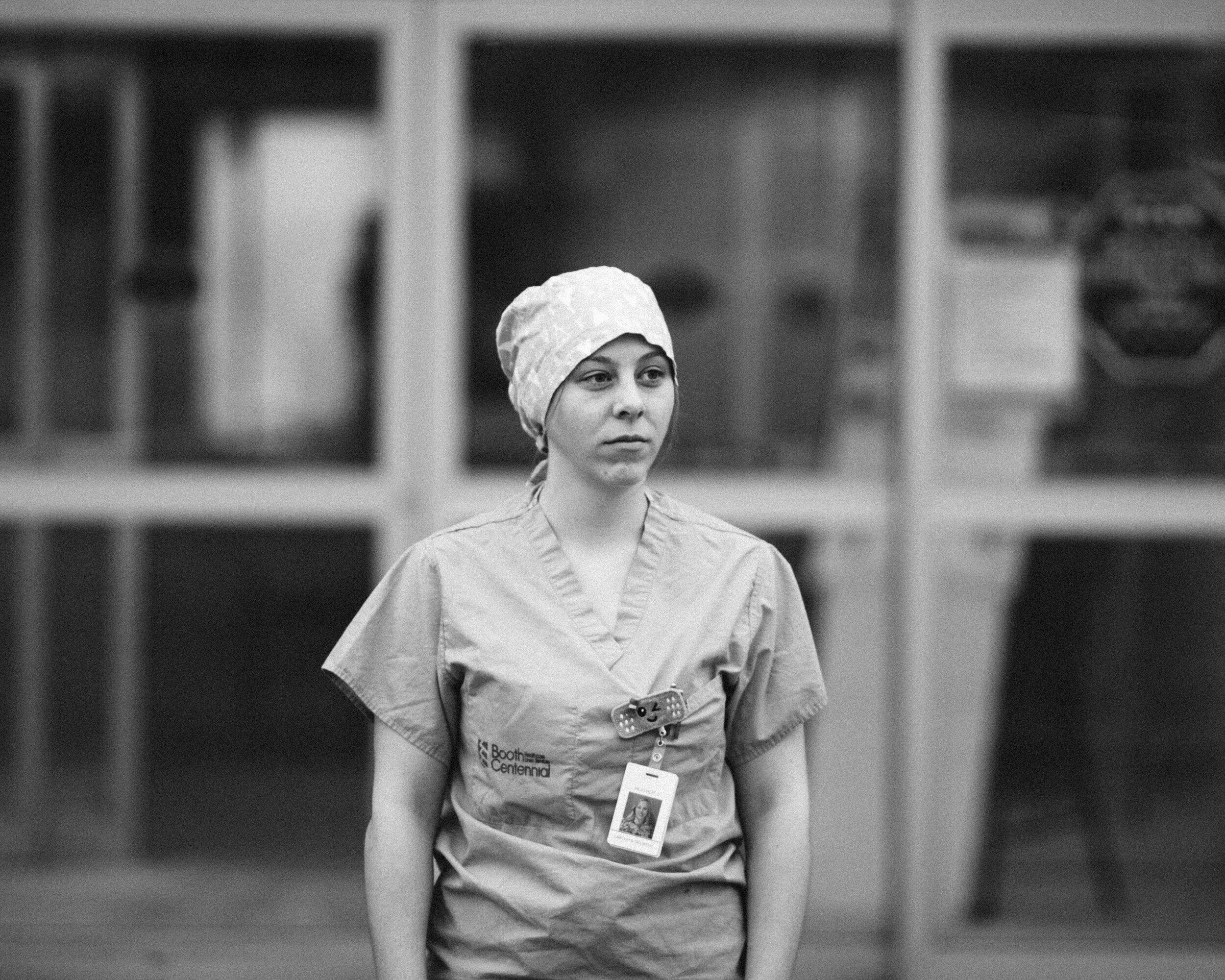
Photographed by Mary Zita Payne


We are here for you, so please, keep staying home for us. It has never been so easy to save a life, just stay home. This is change and change is hard, but without change, we don’t grow. I believe we will come out of this stronger, more adaptable and better paramedics. We will remember all of those who put their fear in their back pocket and chose faith.

The doctors, nurses, hospital cleaning and maintenance staff, pharmacists, lab techs, diagnostic imagining techs, administrative staff, PSWs, firefighters, police, grocery store clerks, journalists and health communications, truck drivers, gas station attendants, postal workers… the list goes on and on.

We won’t forget the support of our peers, allied health agencies, and our community. This pandemic affects everyone. Its waves turn to ripples and they reach everyone.

It reaches the woman with the Stage 1 breast cancer diagnosis, who is now unable to receive the surgery she needs.

It reaches the elderly man with dementia in a retirement home, who relies on daily family visits to feel grounded.

It reaches the first-time mom with pregnancy complications, who now has to stay in a specialized Toronto hospital without her spouse.

It reaches the new widow, who watched her husband be taken away by
ambulance and receives a phone call that he didn’t make it and she grieves alone in isolation.

Please hear me. Just because you can’t always see the waves and ripples of COVID 19, don’t believe it’s not happening. Stay home. Save lives. Don’t be the tsunami.

—Kelly Convery, Paramedic

(Mary Zita Payne, who is producing this series—you can read the first installment here, the second one here and the third here—has been documenting frontline healthcare workers on the frontlines on her personal blog.)

Engage with us on social media on Twitter, Instagram and Facebook. Write to us at tips@ptbocanada.com. Sign up for PTBOBuzz newsletter here.

Peterborough Woman Launches Postalist, A Subscription Service That Delivers Unique Postcards Directly Your Mailbox

Peterborough’s Nicole Gagliardi has launched a new business called Postalist, a subscription service that delivers a unique postcard directly to members’ mailboxes every month.

The first collection from Postalist is the “Power-Mama Post”, with cards that feature a cheeky affirmation and an inspiring quote, designed specifically to help moms reduce stress and anxiety, sneak in some self-care and celebrate themselves.

Nicole Gagliardi

The Power-Mama Post was inspired by Gagliardi’s own struggles with mental health and motherhood. Noticing how many moms were struggling with increased anxiety and stress during the pandemic, she felt compelled to do something to help. 

“In these days of physical distancing, there’s not much more that we moms can offer one another aside from a reminder that you’re not alone, you’re doing your best, and your best is good enough,” says Gagliardi. “The Power-Mama Post cards are designed to sound like your best friend giving you a pep-talk, exactly when you need it most. Moms will get them in the mail and post them up on their bathroom mirror for a little boost every day.”

Image via Postalist.com

A monthly subscription to the Power-Mama Post is $6. They are available online at postalist.com, and ship worldwide. “We’ve just launched, and are already taking orders from people in Canada and the US, with a lot of people looking for a pandemic-proof gift for Mother’s Day,” adds Gagliardi.

There is also a free digital subscription option for those who aren’t interested in receiving snail mail. Subscribers will receive an emailed postcard on the last day of each month, making the Power-Mama Post accessible to every mother who needs a bit of a boost. For more information, go to postalist.com or contact Nicole at hello@postalist.com.

Engage with us on social media on Twitter, Instagram and Facebook. Write to us at tips@ptbocanada.com. Sign up for PTBOBuzz newsletter here.

Melissa Payne Dropped By Extendicare In Lakefield To Play A Song On Her Fiddle For Her Nanny & The Long Term Care Heroes

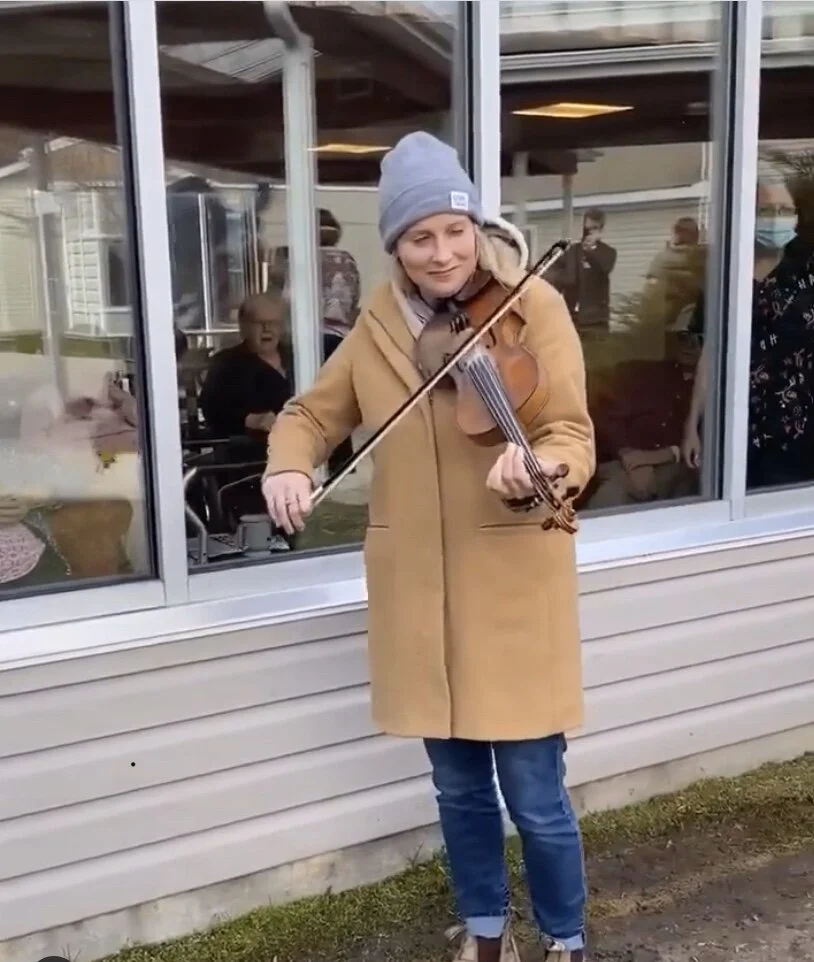
Musician Melissa Payne dropped by Lakefield Extendicare on Wednesday (April 15th) after being inviting there to play as part of their community Honk For Our Heroes drive-by parade.

Playing there was extra-special for Melissa as her nanny resides there.

“Truth is I am guilty of not visiting as much as I say I will,” Melissa writes in a heartfelt Instagram post. “Nanny has had dementia for the past six years and the chances of her remembering this experience are very slim to none. But in this moment she was happy and excited and full of joy to see someone playing music for her. If there is one thing this pandemic has taught us it’s to cherish our moments. I know I’m not alone in saying I can’t wait to hug, hold and love a little harder my Nanny and all those I hold dear.”

You can watch Melissa’s “performance” below as she practised physical distancing outside the window while her Nanny watched with great pride from inside…

“Thank you to all the long term care heroes who are working so hard to keep our loved ones safe,” adds Melissa in her social media post.

You can also watch the video on our Facebook page…

Engage with us on social media on Twitter, Instagram and Facebook. Write to us at tips@ptbocanada.com. Sign up for PTBOBuzz newsletter here.

Urgent Animal Care Fund Launched By Ontario SPCA & Peterborough Humane Society To Support Pets During COVID-19 Crisis

The Ontario SPCA and Humane Society has set up an Urgent Animal Care Fund with the Peterborough Humane Society (PHS) and other SPCAs and humane societies in Ontario to help animal organizations in the province continue to care for animals and support pet owners during the COVID-19 pandemic.

Following direction from the Government of Ontario and advice of health professionals, the Peterborough Humane Society and its partners in animal welfare closed their buildings to the public to help slow and stop the spread of COVID-19. Furthermore, many planned fundraising events, such as the Peterborough Humane Society’s annual FurBall Gala, have had to be cancelled.

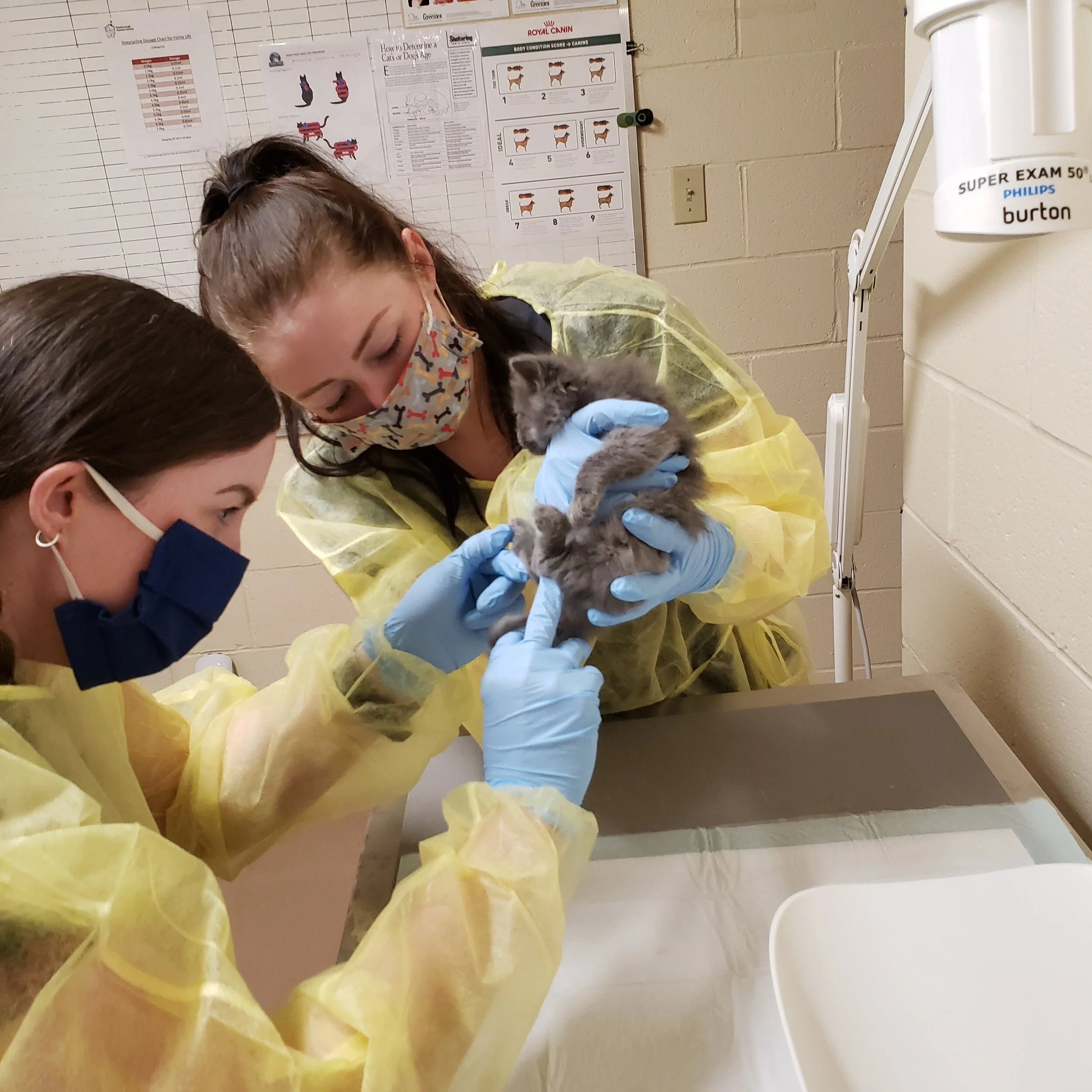
Photography courtesy Peterborough Humane Society

With adoptions put on hold, many SPCAs and humane societies are facing growing costs as they continue to care for the animals who will now have to wait longer to be adopted. While adoptions are on pause, animals in shelters still need nutritious food, veterinary care, enrichment and daily attention to keep them healthy and happy.

“As Peterborough and the Kawartha’s only open admission shelter, the team at PHS continues to take in and provide care for stray, abandoned and emergency care animals,” says Shawn Morey, PHS Executive Director.

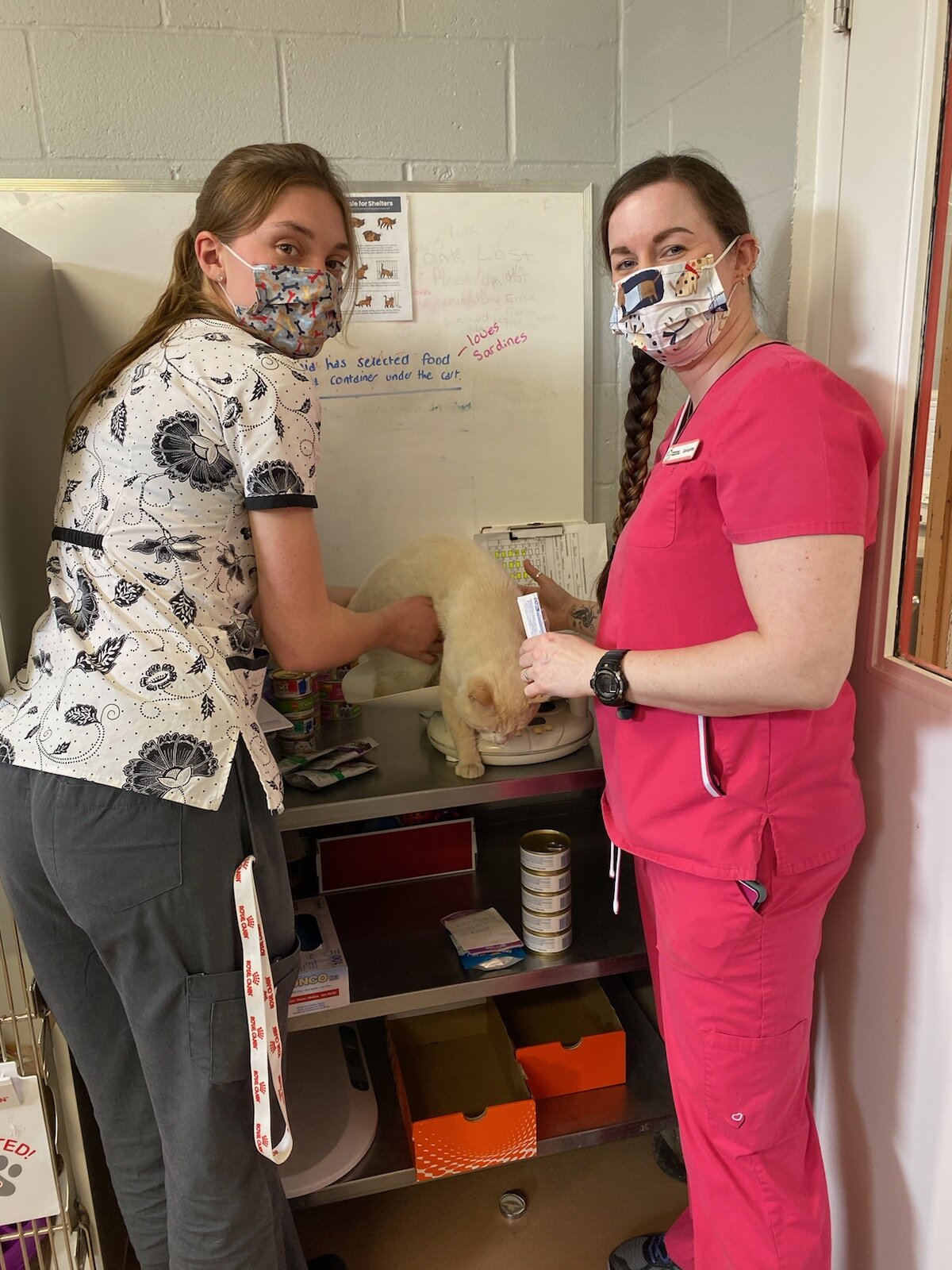
Photography courtesy Peterborough Humane Society

“We have a small animal care team on site daily to provide our animals with the love and enrichment they need and have amplified our enrichment programs to ensure that our animals remain healthy and happy during their extended stay with us,” Morey adds. “With so many owned pets entering the shelter on a day-to-day basis, it is not feasible to place all animals into temporary foster homes.”

“We know that the long-term costs of care for animals in shelters are adding up, and not just for us, but for other SPCAs and humane societies across the province, which is why the Urgent Animal Care Fund was established,” says Morey.

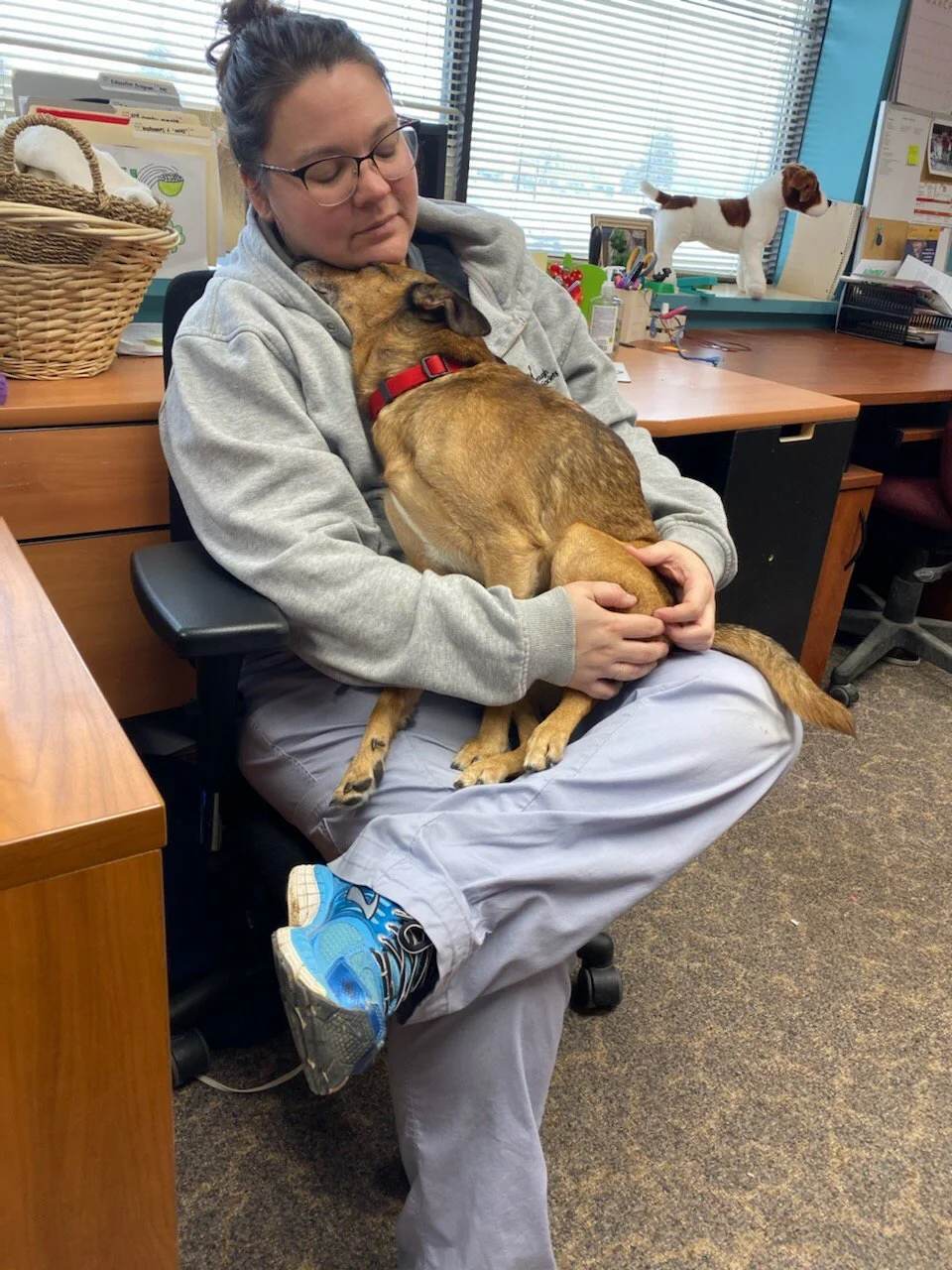
Photography courtesy Peterborough Humane Society

By supporting your local SPCA or humane society, you will help ensure that vulnerable animals in your community are fed, safe and cared for during these challenging times.

To donate to the Urgent Animal Care Fund, visit urgentanimalcarefund.ca.

Engage with us on social media on Twitter, Instagram and Facebook. Write to us at tips@ptbocanada.com. Sign up for PTBOBuzz newsletter here.

PRHC RN Kailin Wilson On Her Experience Being Redeployed To The ICU During Pandemic & Impact On Family

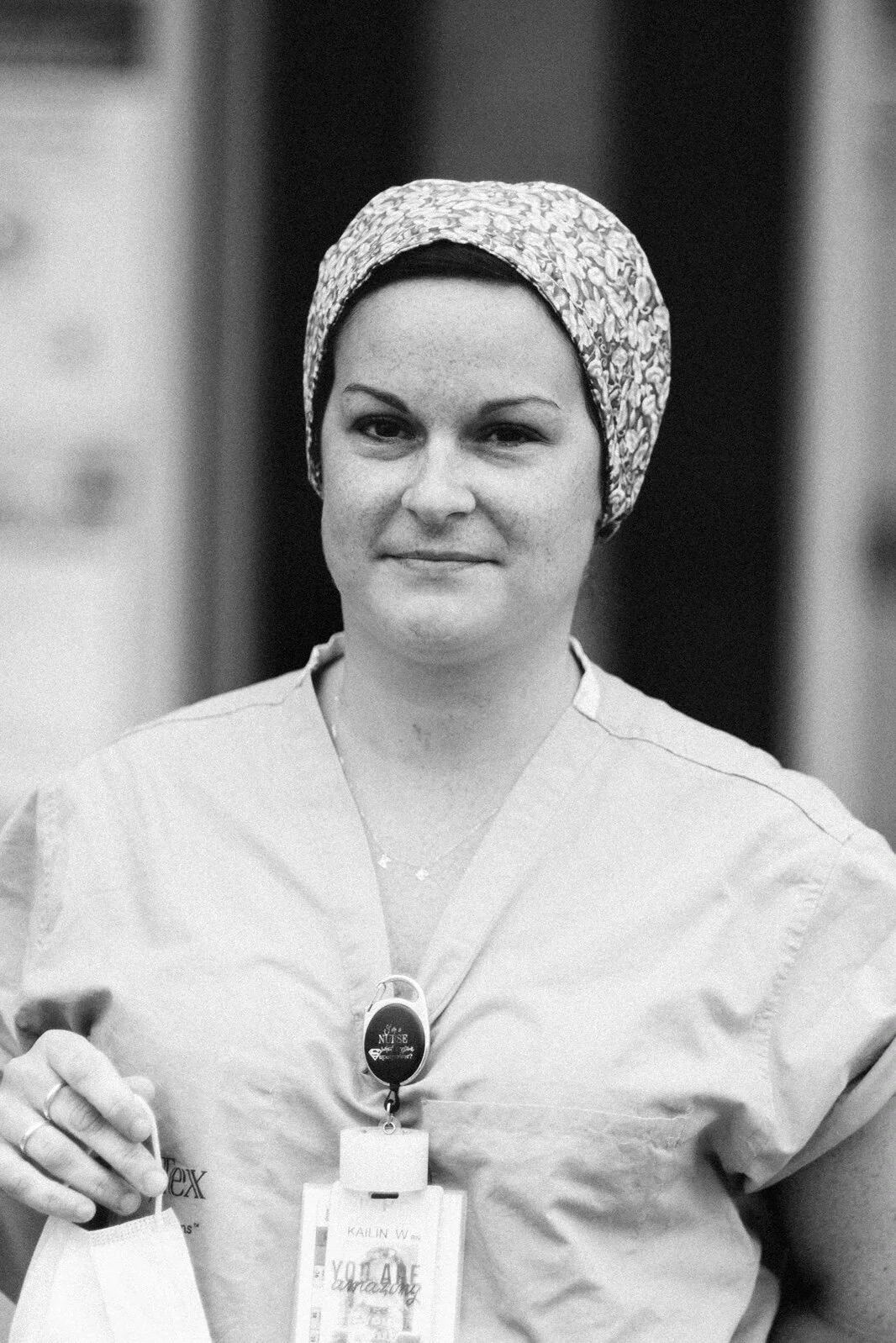
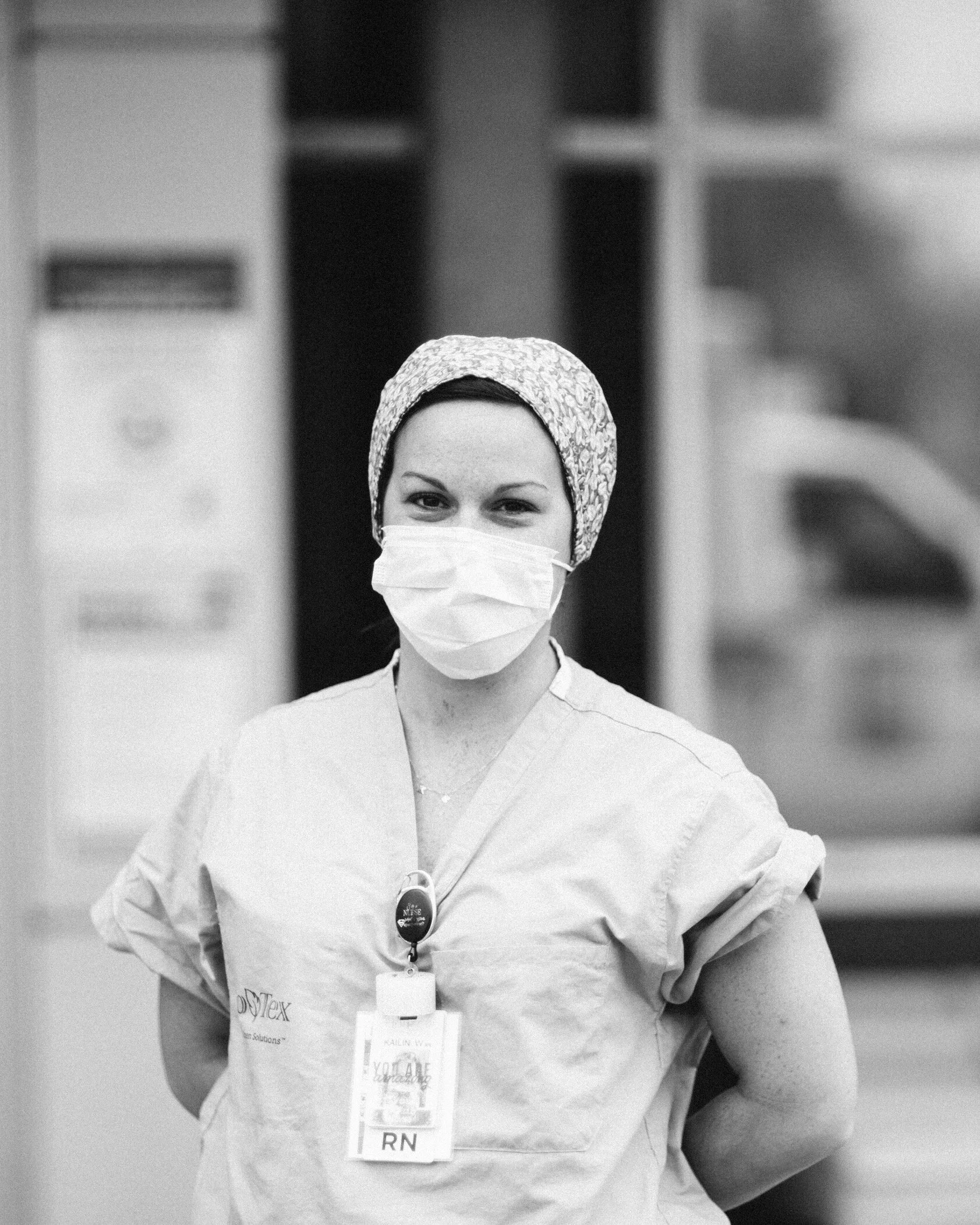
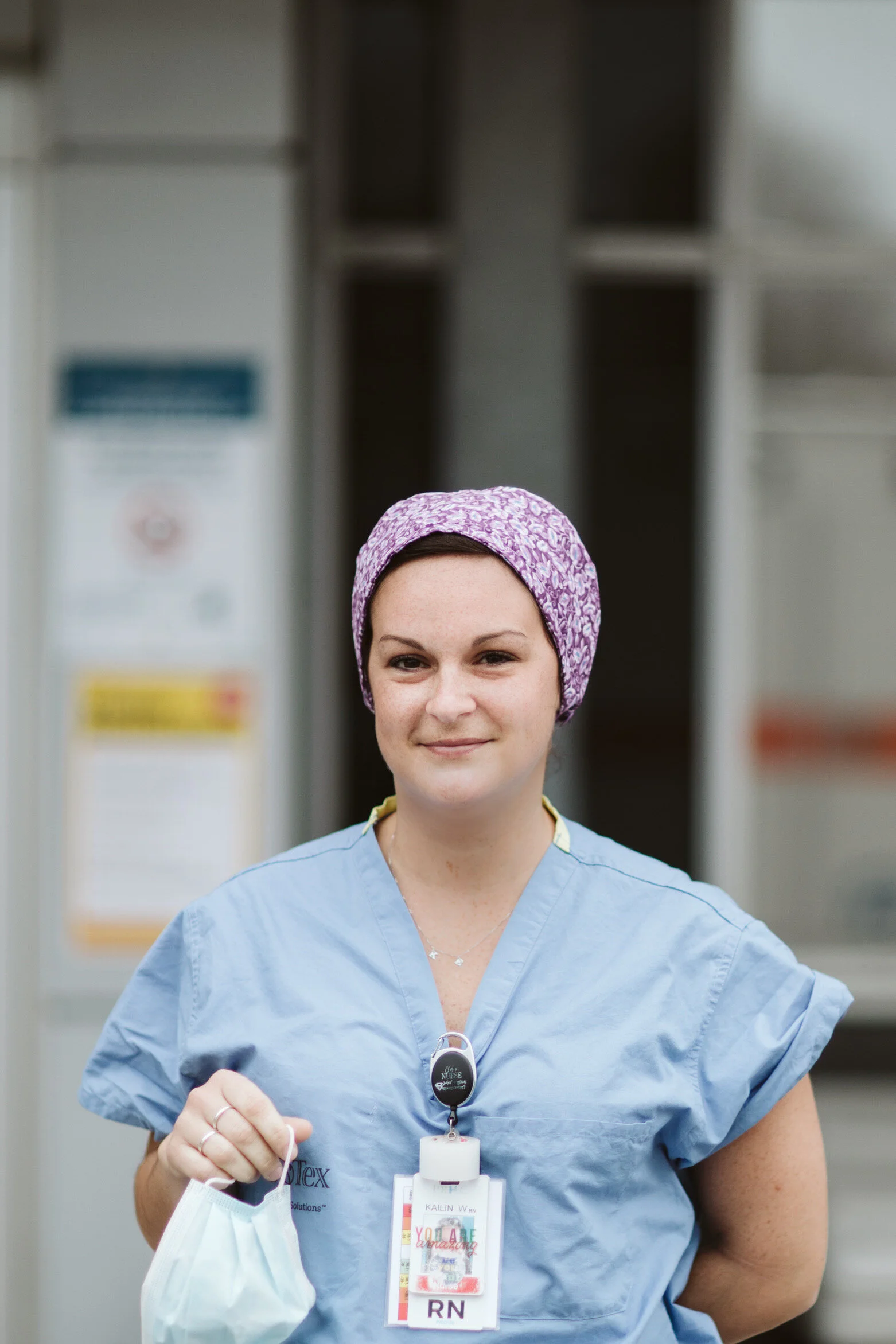
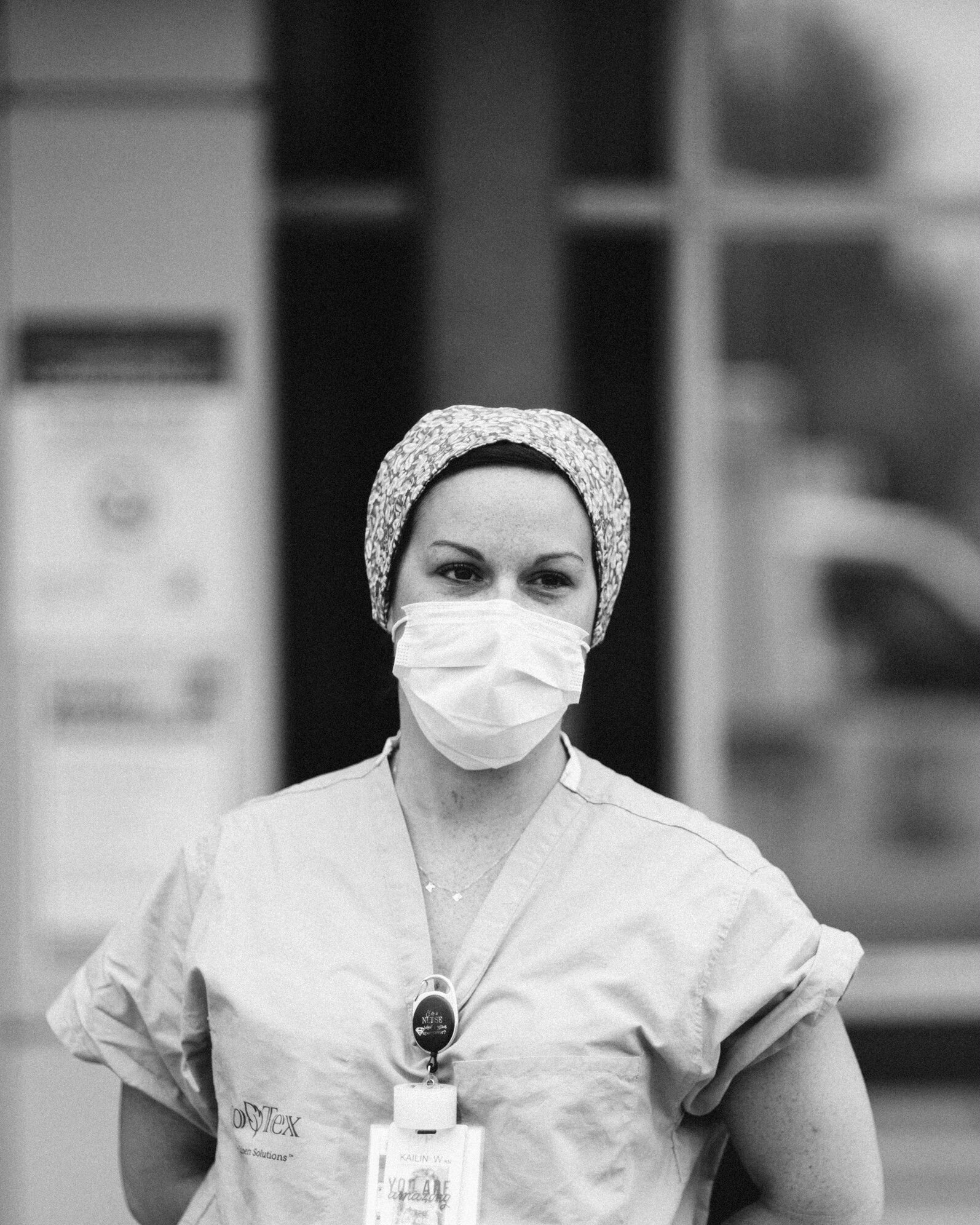
In the third of a PTBOCanada series on the experiences of frontline healthcare workers in Peterborough produced by Mary Zita Payne, RN Kailin Wilson gives us a firsthand look on what it’s like being on the frontlines during the pandemic. Here is her experience in her own words…

February 2020. I wake up every morning to my children, I don’t start work for another 1-2 hours. I get them ready, fed and off to daycare and school. I have no anxiety, no pit in my stomach. I enjoy my job and I am excited to be at work doing what I love. 

Fast forward to March 2020. I get the phone call that I am being redeployed to the ICU. It’s not foreign to me, I have worked there before. What is foreign is the fear and the anguish that comes over me. My first thoughts are, ‘My husband is a front-line shift worker, how are we going to do this?' Thankfully, his job has been more than understanding. I am going to have to adapt to a new kind of normal.  

Kailin Wilson (photographed at PRHC by Mary Zita Payne)

My first day in ICU, I wake up with an unrelenting pit in my stomach. I’m nervous and rightfully so. My husband and I have come up with a plan of how I am going to return home. I will change in the garage, leave my belongings there and shower right away. I won’t pick up the kids from daycare because it is too risky to have them in such close contact with me. This is going to kill me I think—all I want to do after a hard day is hug my babies.  

I’m not sure how I am going to feel going into this, I haven’t done it before. I have never cared for a patient that has or is suspected to have COVID-19. I walk into work and am asked a series of questions upon entering.

Everything is different at work. 

Nobody is close because of physical distancing; we are all wearing masks and we try our hardest while caring for our patients to preserve PPE. None of this is normal. As nurses, we aren’t taught or programmed to limit our exposure, to make it worth our while to go into these rooms, “group our care” if you will.  

Photographed at PRHC by Mary Zita Payne
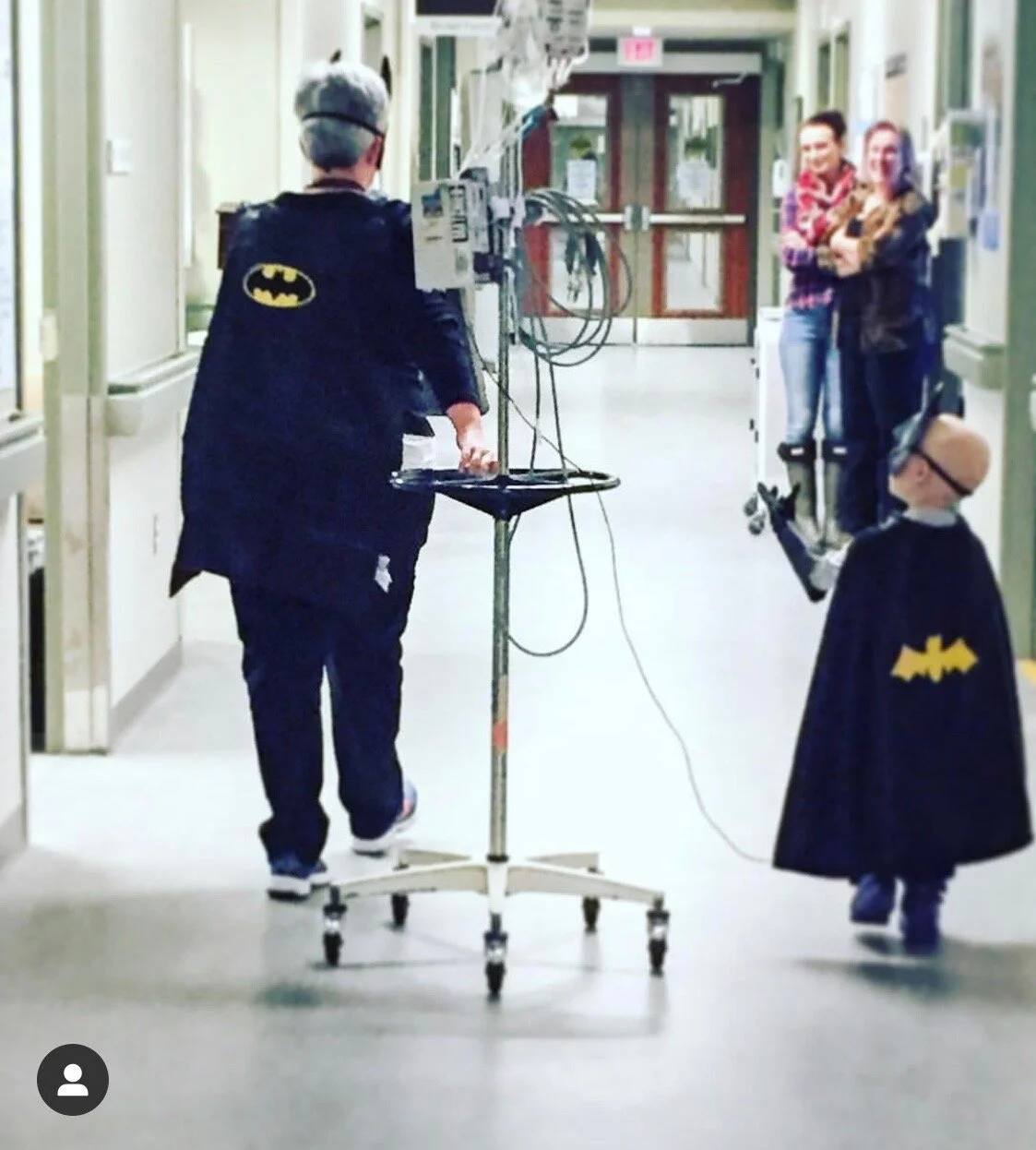
I have never worried about the germs I bring home to my children. My background is the recovery room. Most patients are healthy, otherwise surgery would be cancelled. While I am at work, in the thick of this pandemic, the last thing on my mind is my anxiety or concerns. 

My main focus is giving this patient the best possible care that I can.  This is someone’s husband or wife, mom or dad. I care for them as if they were mine. But when I’m driving home from work, all of my anxiety and my greatest fear comes rushing over me. 

Photographed at PRHC by Mary Zita Payne
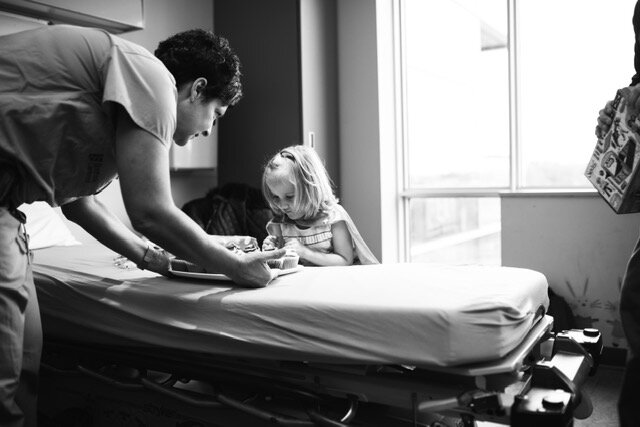
What if I wasn’t safe enough? What if I didn’t have my N95 respirator sealed tight enough? What if the hand sanitizer I use multiple times a day didn’t do its job?

You see, my daughter was very sick as a baby. 

She required ICU care at Sick Kids, which left her lungs with chronic inflammation. I can’t help but have this in the back of my mind. I mean, her favourite thing to do is to be with her mom all the time. How do you explain to a three-year-old to “physically distance” herself?  

Nobody is perfect. No amount of PPE is going to protect us all from this virus. It doesn’t discriminate. It doesn’t care how healthy you are or how old you are. My biggest message to everyone is to follow the guidelines the government has set out for us. It is imperative that we as a community and country follow the rules if we want any sort of “normal” to return. 

Photographed at PRHC by Mary Zita Payne
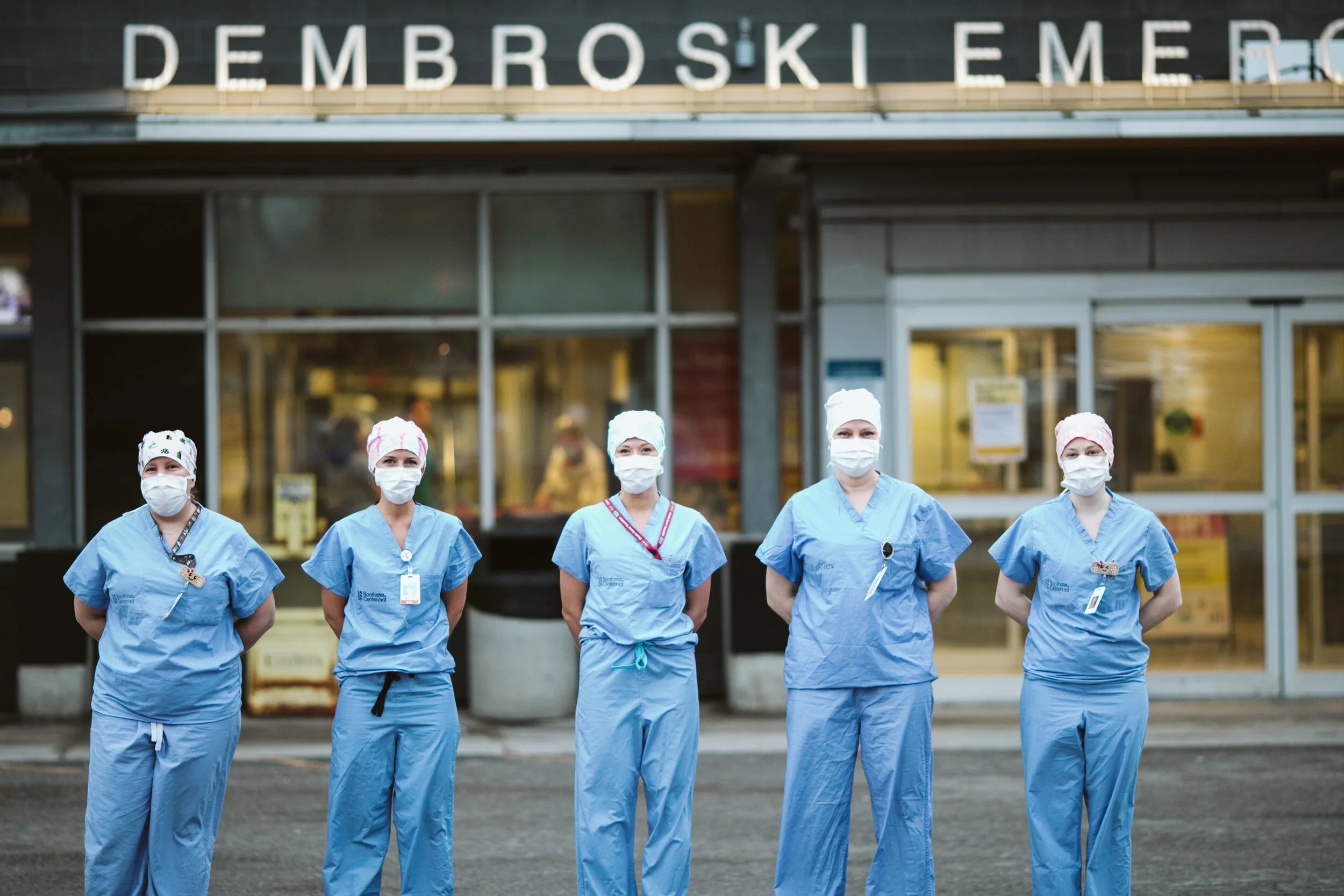
In my tenth year of nursing, this is beyond anything I could have ever imagined. But through it all I choose to hold my head high, and walk into work knowing that I can make a difference in someone’s day, someone’s care. 

I fear that one day I will be the one to hold someone’s hand as they pass from this awful sickness. If this is your family member, your friend, or colleague, please know that they are with the best team of nurses and doctors I have had the pleasure of working with.  

—Kailin Wilson, RN

(Mary Zita Payne, who is producing this series—you can read the first installment here and the second one here—has been documenting frontline healthcare workers on the frontlines on her personal blog.)

Engage with us on social media on Twitter, Instagram and Facebook. Write to us at tips@ptbocanada.com. Sign up for PTBOBuzz newsletter here.

PRHC Emergency RN Jennifer Massimo On Her Experience Working On The Frontlines & The Impact On Family

In the second of a PTBOCanada series on the experiences of frontline healthcare workers in Peterborough produced by Mary Zita Payne, Emergency RN Jennifer Massimo gives us a firsthand look on what it’s like being on the frontlines during the pandemic. Here is her experience in her own words…

I have been an emergency nurse since I graduated in 2009. When I was a new grad, I had anxiety before going in for my shifts, because I never knew what I would be walking into. With the years of experience, I gained confidence and lost the pre-shift butterflies. I enjoyed my work despite the chaos that always came with each shift. I loved it.

Although each shift is different, it still feels like it’s the same. A controlled chaos, working through each complaint and concern, working with the most amazing colleagues to save lives, change lives, and provide comfort to people in their last moments. Though I love my patients, easily my favourite part of the job are my colleagues.

There are no humans quite like them. These men and women are energetic, sarcastic, knowledgeable, and hilarious. They truly are my work family. So while my shifts are exhausting, stressful and busy, I have always been proud to say I’m an ER nurse. 

Jennifer Massimo (photographed at PRHC by Mary Zita Payne)

Something changed in the past couple months though. This Goliath virus started. It changed everything as we know it, and everything as I know it. I am back to feeling nervous to go in for my shifts, not knowing what I’ll be walking in to. I’m scared that I might miss one atypical COVID presentation, and could potentially expose a colleague to a covid positive individual.

Although we watch each other remove our personal protective equipment, I’m scared I will accidentally contaminate myself while removing it. What if my face shield was sitting too high? What if I didn’t have a good seal on my N95? I worry about my family. I’m scared that I will be an asymptomatic carrier, and expose my family to the illness. I’m worried that I’m already putting my family at risk by coming home after shifts.

Photographed at PRHC by Mary Zita Payne
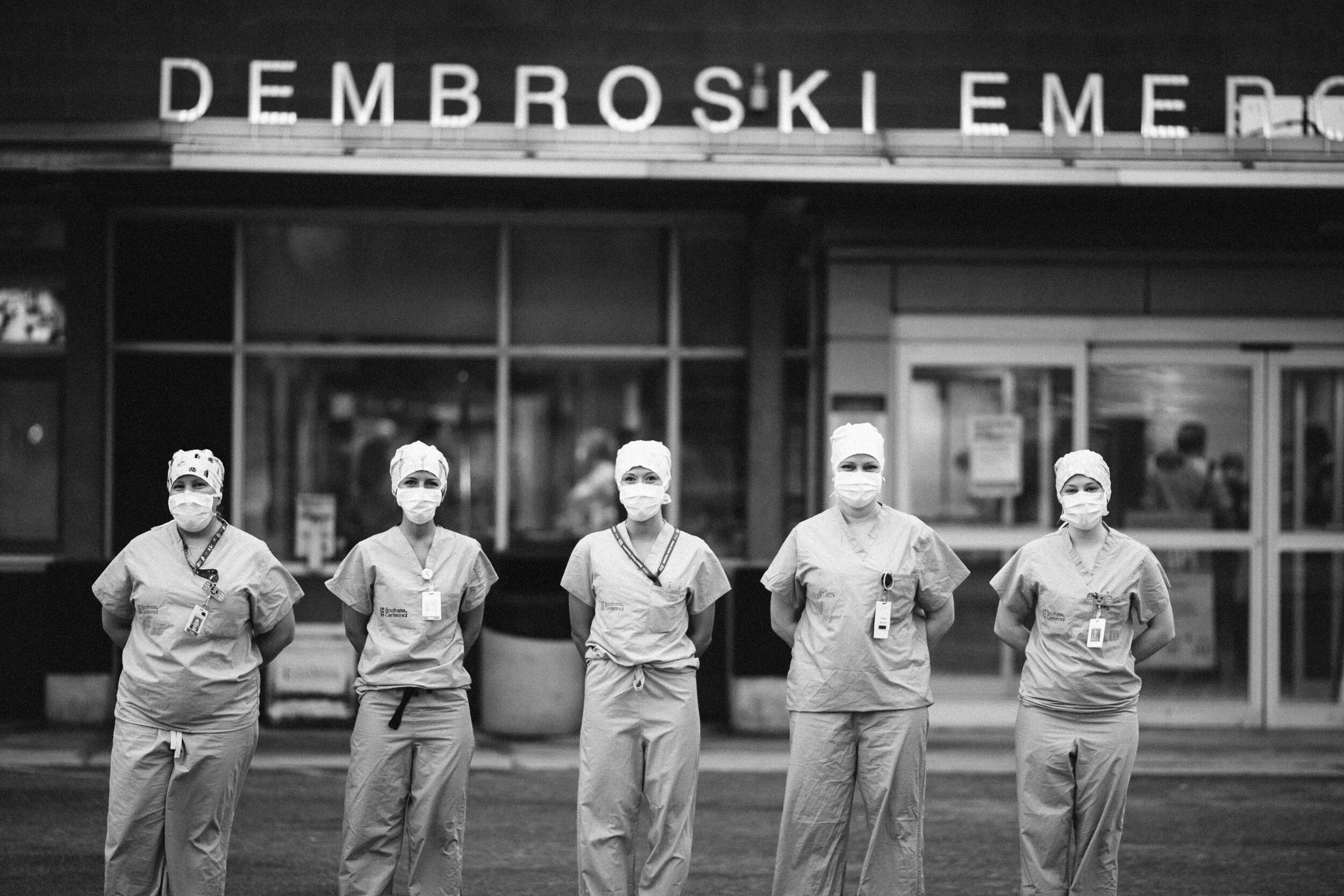
We’ve prepared a separate living space in our basement in case I come home after a particularly bad shift and worry that I’ve been exposed. This worries me too, because with my children aged 3 and almost 2, what if me living away from them causes emotional trauma? I feel guilty and selfish that I haven’t moved to the basement yet, but I also worry about the emotional trauma I will have if I leave them too soon.

Each time I go in, I’m scared it will be the time that I know I have to live separately from my family. Even when I’m at home, I try to enjoy my family so much but I have a hard time engaging because I’m so worried about when I will have to go back to work, and potentially leave my family.

Photographed at PRHC by Mary Zita Payne

I hate admitting this, but I’m scared to go into patient rooms. I’m not scared of the person, I’m scared of the virus. I’ve always been one for physical touch. I hold my patients hands, listen to their every concern, hug family members, give high fives to my paediatric patients, and am by their side through their biggest crises. I have always been right beside them, giving my everything.

COVID has changed this.

I’m scared to be exposed to them, because I’m scared that I will end up bringing this home to my family. I’m scared for my patients. They don’t want to be in this situation just as much as we don’t want to be. COVID has changed the nurse and patient relationship. Families are restricted in their visiting, and it puts a toll on patients, nurses and doctors alike.

While I’m terrified of this virus, there are also some positive things that are undeniable. I love my work family. Although I am anxious before each shift, I also want to be there to provide physical and moral support. More than ever, I want to be with them and take this thing on as a team. I’ve always known we have an incredible team, but the leadership and camaraderie is amazing. Taking care of patients with suspected COVID takes a lot of man power, and I am so proud of everyone for stepping up and being there for one another. 

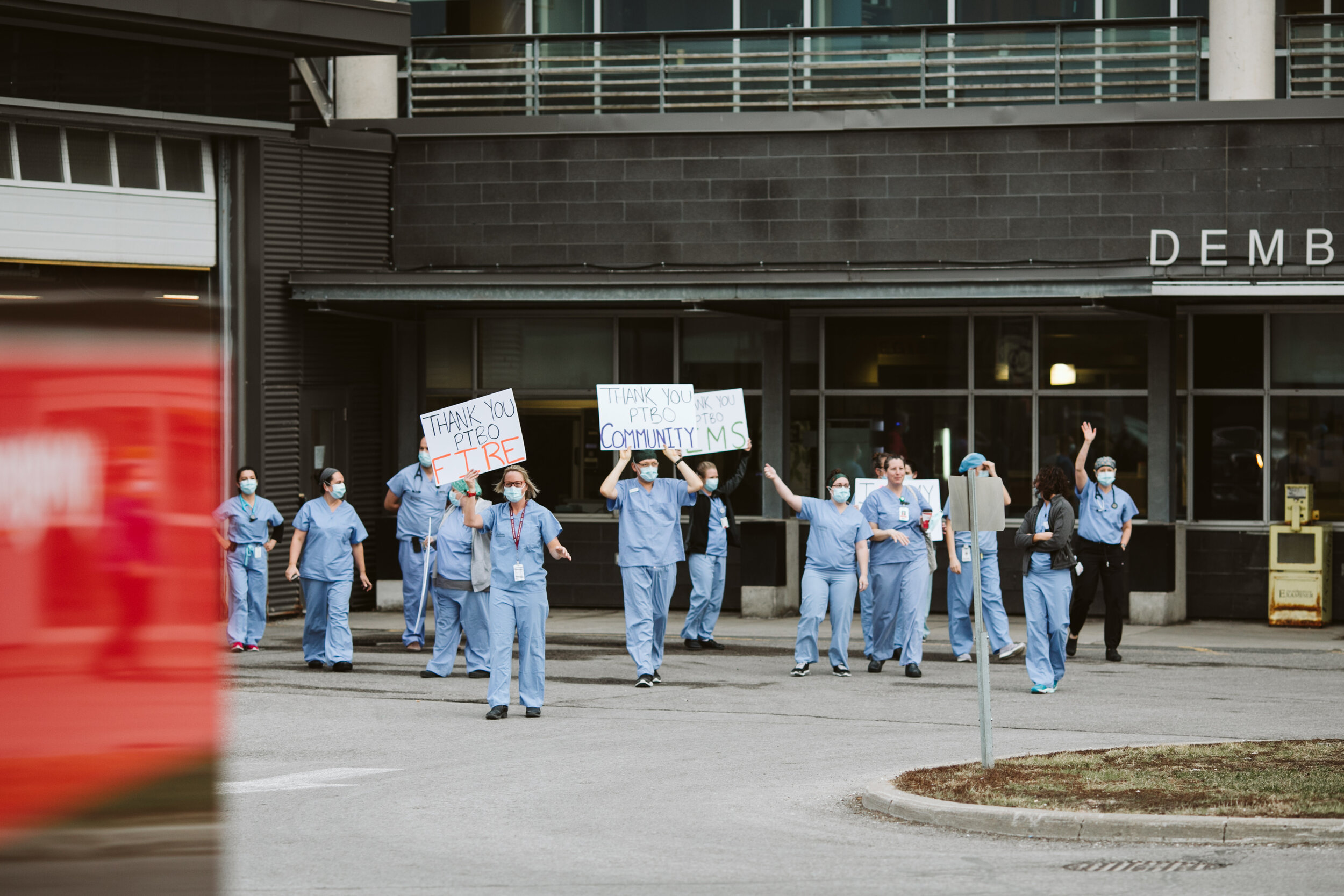
This is sense of connection and support goes beyond the ER. More than ever, I feel that our community and the world are pulling together to battle. Nurses and doctors are working outside of their comfort zones to provide their skills wherever needed. Outside our doors, our other front line staff paraded their fire trucks, ambulances and police cars with lights and sirens to thank hospital staff at shift change.

Members of the community are stepping up to provide whatever PPE they have, and even making masks for people that enter the hospital. People are staying home, to stop the spread of COVID-19. It feels like the world is pulling together to combat this thing head on. 

So while I’m nervous about what the future holds, and nervous about decisions for my family, I’m also so proud and thankful for everyone and their support, in whatever way they can give it, during this time. We are truly all in this together. So while I feel my job is very challenging right now, I’m thankful that I can provide support to my community in the best way I know how. And at the end of the day, I will always be proud to say I’m an ER nurse.

—Jennifer Massimo, Emergency RN

(Mary Zita Payne, who is producing this series—you can read the first installment here—has been documenting frontline healthcare workers on the frontlines on her personal blog.)

Engage with us on social media on Twitter, Instagram and Facebook. Write to us at tips@ptbocanada.com. Sign up for PTBOBuzz newsletter here.

PRHC Emergency RN Carly Neadow On What It's Like Working On The Frontlines & The Impact On Family

In the first of a PTBOCanada series on the experiences of frontline healthcare workers produced by Mary Zita Payne, Emergency RN Carly Neadow gives us a firsthand look on what it’s like being on the frontlines during the pandemic. Here is her experience in her own words…

I started nursing in 2007, 13 years ago, being proud of my career choice and so excited to start my nursing journey. When you become a nurse, it becomes a part of who you are. It is not “just a job”, it becomes part of how you define yourself.

We commit to the job and our patients and are taught to advocate for our patients, putting their needs first. I never dreamt that one day I would have to worry about my career putting my family at risk. There are always risks in any job, but this virus (COVID-19) has brought so many new unknowns with it.

The entire world is in unchartered waters, and the frontline of healthcare is no different. I am so lucky to have the amazing support in my life, from my husband and children, parents, neighbours and friends, and my amazing sister and coworkers who are all battling these frontlines with me. Without them, I don’t know how I would be coping.

The hardest part about working through this is the unknown. 

Carly Neadow (photographed at PRHC by Mary Zita Payne)

We do not know when/if/how hard this virus will affect our community/hospital/healthcare system. We do not know who it will affect: our parents, spouses, children, co-workers, or ourselves. A very respected colleague of mine described it as: “This must be how soldiers feel waiting to go into battle.”

The angst of waiting creates this ball in the pit of your stomach. Everyday I leave for work I worry that I may bring this home to my family. Everyday, I struggle with the battle of whether I should temporarily move out to keep my family safe, but what would that do to my children? They are 16 months and two and a half years old. They would not understand why mommy is not at home, and how long do I have to leave them for? We have no idea how long this will last. How do I just leave my husband to care for our children for an indefinite amount of time?

Carly (second from left) with fellow nurses (photographed at PRHC by Mary Zita Payne)

So I choose to stay home for my children and my husband, and myself, for our mental and emotional health, and bare the burden of the chance that I may bring this home to them—despite stripping at the door and tedious hand hygiene regimens each time I come home.

Some co-workers have chosen to move out, which is also hard on so many levels. The hardest part about this is that there is no clear answer on what is the right thing to do. We all have to make the decision that we can live with, and support each other through it so that we can still perform our duties at work and be there for our patients.

We do not know who this will effect, how hard it will hit our community, or how long this will go on for. What we do know is how to slow it down and everytime we see people not complying to government/healthcare requests and regulations of self isolation and physical distancing, it breaks us a little bit more.

Photographed at PRHC by Mary Zita Payne
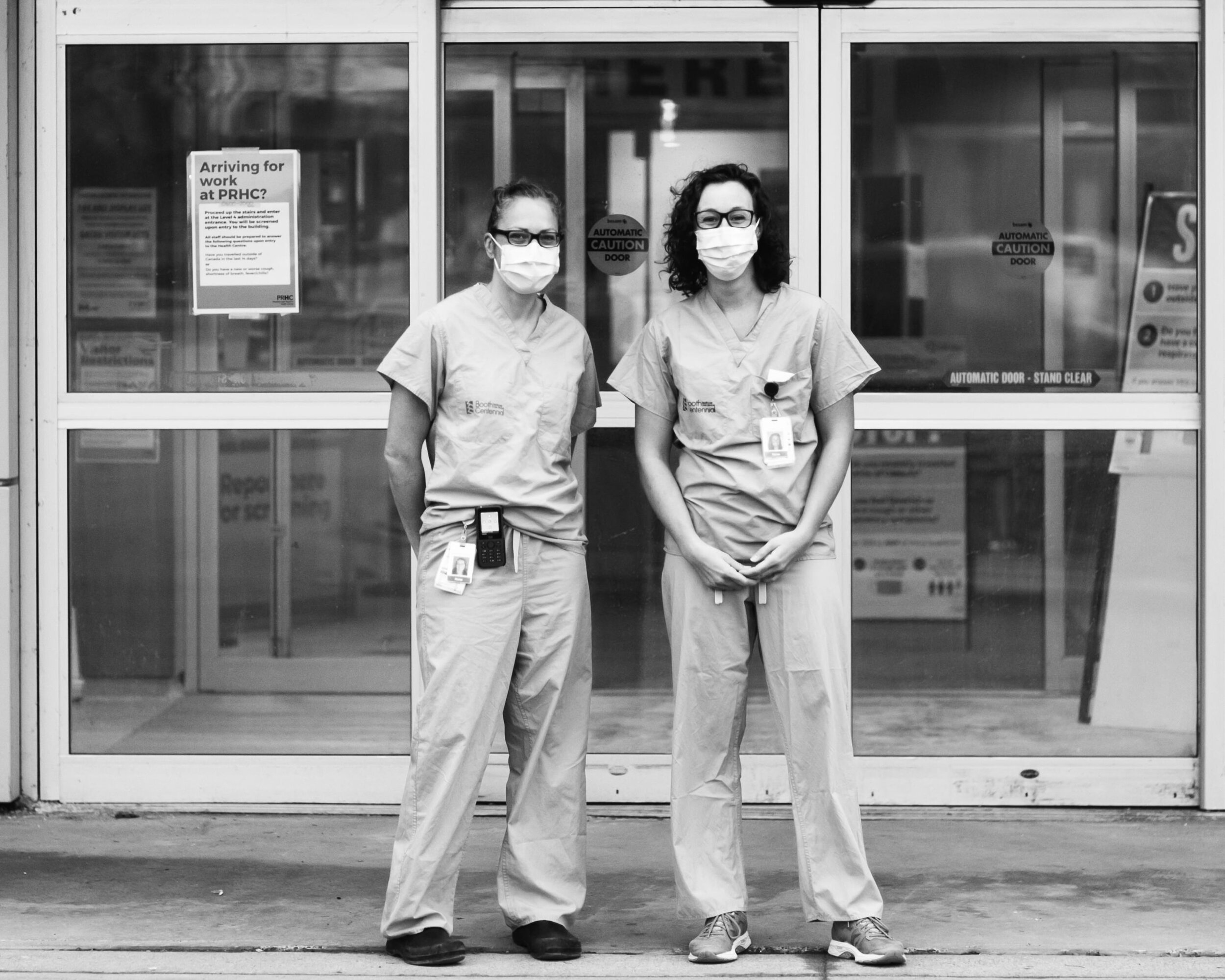
The bottom line is this: the front line of this battle are filled with emotions and feelings from both extremes, and we feel them all from our hearts. We feel scared and anxious of what is to come and when/how hard it will hit.

We feel love and support from our families, community and fellow front line workers, through messages of support and thanks and parades

We feel anger and resentment when people think and act like they are above the rules and regulations, or stronger than the virus, who are making this all harder for everyone. Let me reassure you that this virus does not discriminate: It hits all ages, all fitness levels, so please listen when healthcare leaders ask you to stay home.

We feel sadness and heartbreak everytime we leave our families for another shift, not knowing what is in store for that day. We feel exhausted from our long shifts wearing constant PPE, and the constant battle in our heads of what is best for our families.

We feel proud and honoured that we are the ones who are there to help these patients when their families are not allowed at their bedside, due to tightening visitor rules.

We feel all of these emotions on a daily basis and are trying to do the best we can to get through this all together. So please everyone, do your part to flatten the curve and kick this virus where it hurts. Please stay at home so we can continue to be there for you when you need us!

A huge thank you to everyone out there doing your part, staying home and supporting your frontline workers. Let's be kind to one another during these difficult times, so we can all come out healthy and happy on the other side!

—Carly Neadow, Emergency RN

(Mary Zita Payne, who is producing this series, has been documenting frontline healthcare workers on the frontlines on her personal blog.)

Engage with us on social media on Twitter, Instagram and Facebook. Write to us at tips@ptbocanada.com. Sign up for PTBOBuzz newsletter here.

Powerful Pictures Of Frontline Healthcare Workers At PRHC By A Mother Whose Daughter Was Treated There For Cancer

Ennismore’s Mary Zita Payne has such enormous gratitude for this community and particular the frontline workers at PRHC.
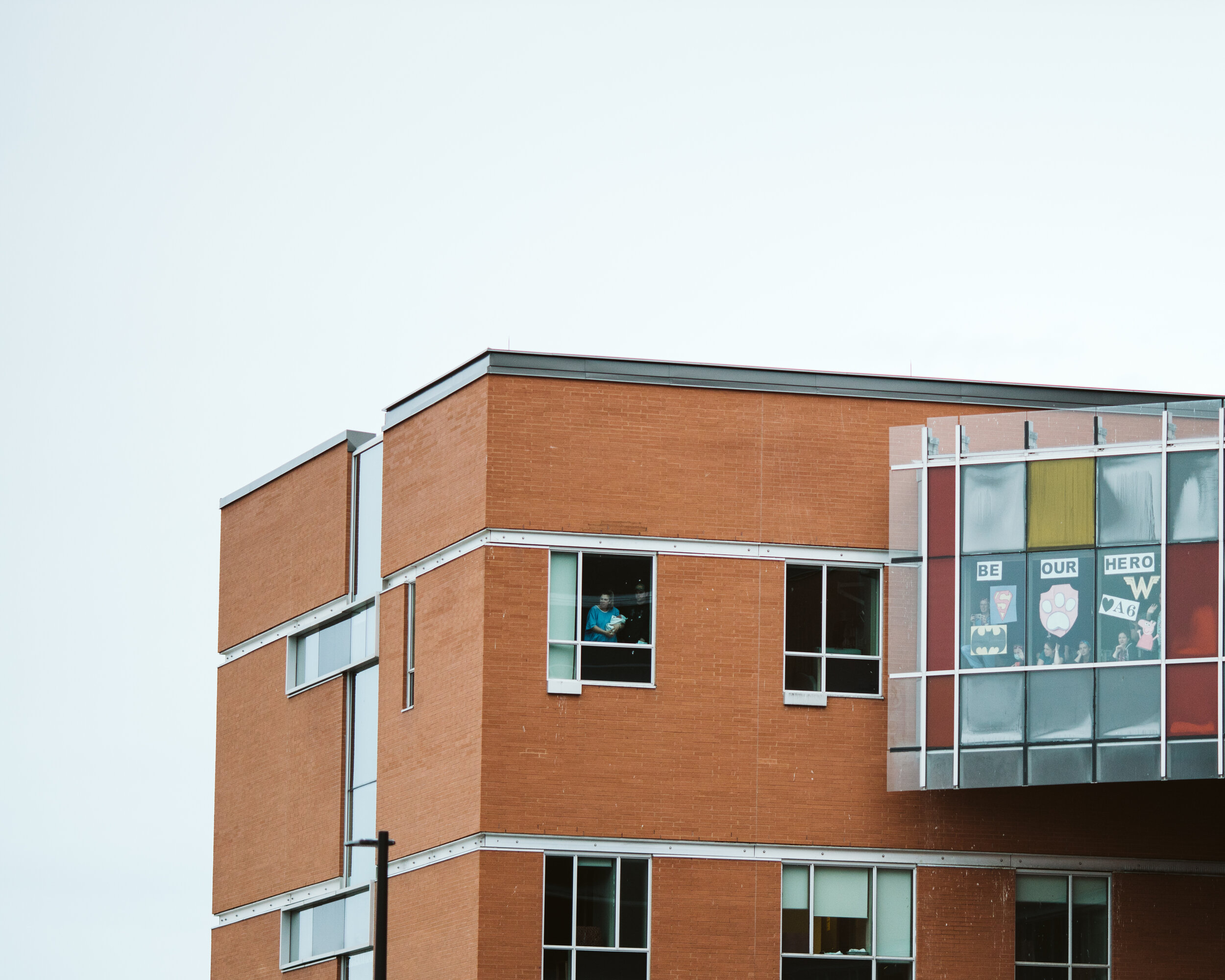
See, her daughter Eliza, at age 3, was diagnosed with cancer. Young Eliza went through two and a half years of treatment for leukaemia, much of it at PRHC. “We were blessed her treatment plan had amazing success rates, and little likelihood of relapse,” Mary tells PTBOCanada. “She came out of on top, heathlier and happier then ever."
“Throughout those days as dark and sometimes lonely as they could feel, there was so much love, so many impactful moments from humans and our community that shined so much beauty in our lives,” Mary adds. “Our community rallied around us in an incredibly fierce way—they had a set up a GoFundMe page (which went beyond our wildest dreams), they sent cards and gifts, they donated blood, they sent beautiful messages.”

But the real heroes were the doctors and nurses who were there for Eliza and her family day in and day out. And for that, Mary is eternally grateful. During Eliza’s treatment there, Mary started really understanding the power of an image, of capturing moments (like the photos above).

“Photographing these nurses and community supporters was a way to thank them for the support—a way to make sense of it all and share with Eliza when she got older. My camera became a means of sharing my gratitude to my loved ones and the universe.”

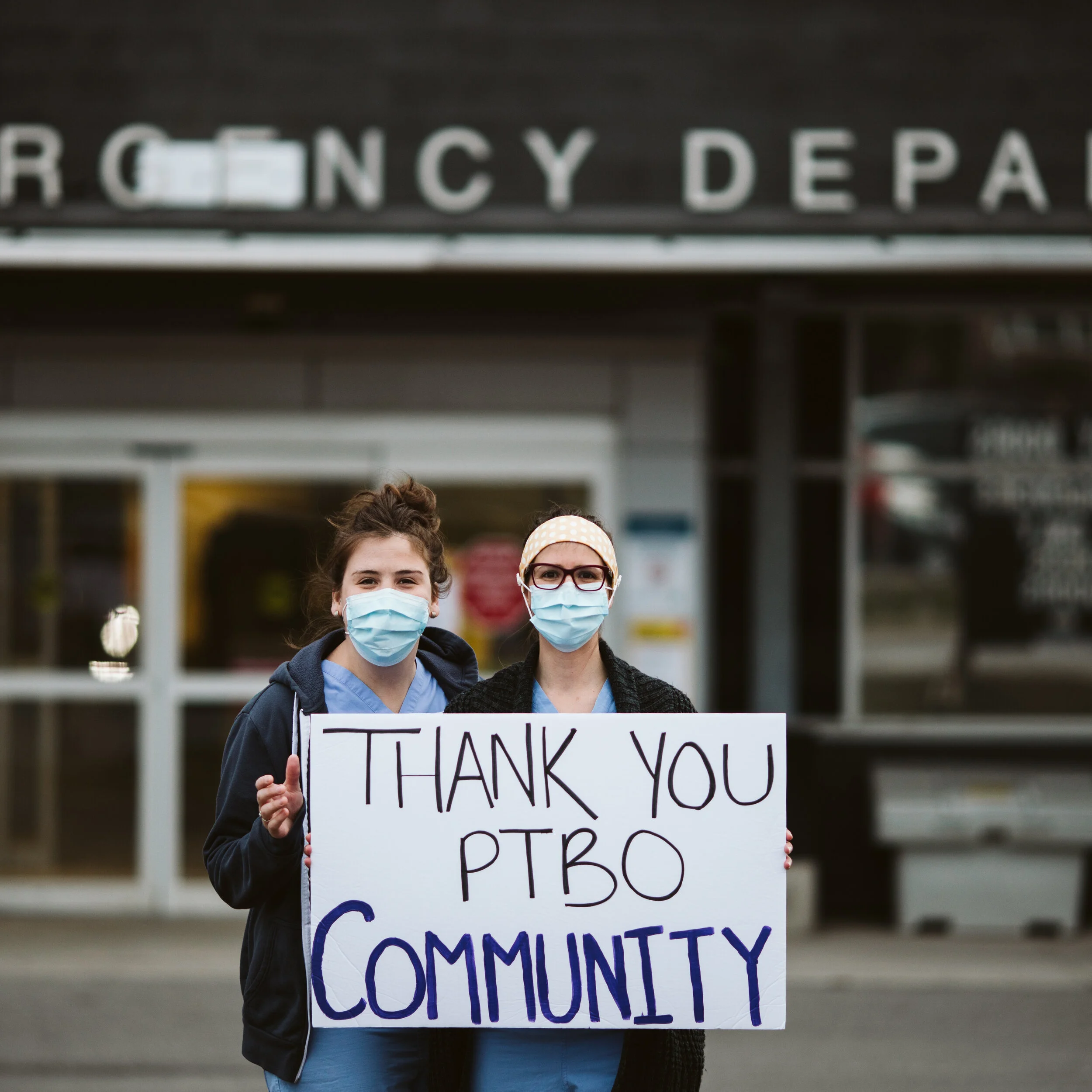
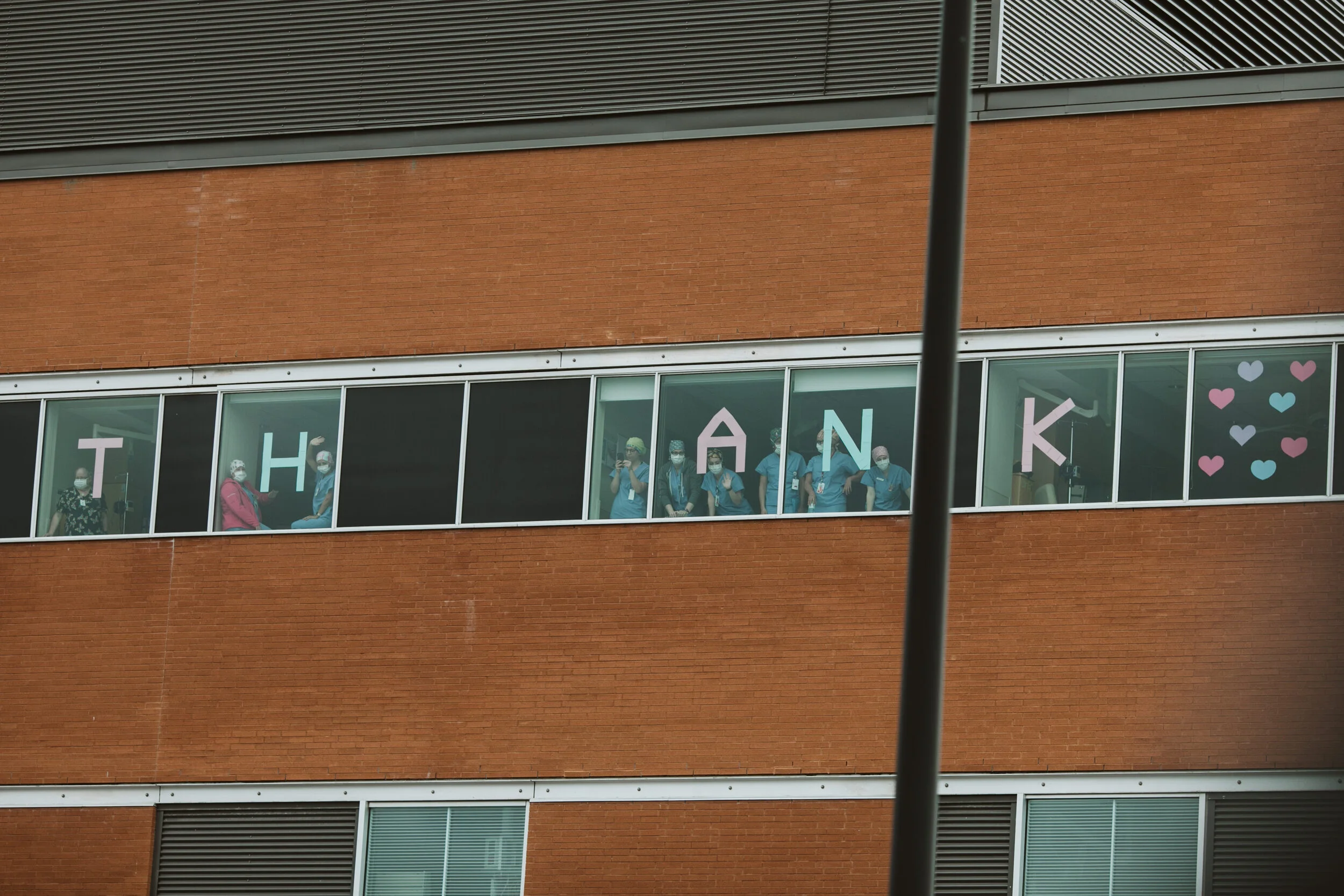
Fast forward to today: To the crisis. To the pandemic. To our heroes, the healthcare workers at PRHC who are fighting a war against a virus, saving many lives, and in doing so putting themselves right in harm’s way on the battlefield. And back to Mary, who has turned her camera on them once again to give them a voice so to speak—to thank them for their awesome support, and for taking such amazing care of all of us. 

“I have been taking photos of them at the ‘parades’ honouring them, when I visit my grandma’s nursing homes and when I head into town for some essentials,” says Mary, who has been doing so while abiding by the physical distancing guidelines set forth, keeping well back.

“I see our nurses, many of whom we came to call our family and beloved friends, are being thrown into a war against a horrible disease, a disease that puts them at risk as well as their loved ones,” Mary tells PTBOCanada.

“It only seemed fitting to pull my camera out again and find a way to thank them,” Mary says of documenting this on her blog.

“By directing the camera right onto them during this crisis, I wanted to make sure they know how incredibly beautiful and strong they are for doing so. I wanted to help remind them on their bad days that their communities have so much love, respect and appreciation.”

Mary’s hope in documenting the frontline heroes at PHRC?

“That it inspires our community to keep the focus on keeping those in the ‘trenches’ safe, and how much we have to be grateful for. Grateful for a healthcare system and people within in it that will do everything they can to keep us safe and healthy.”

It only seems fitting somehow that we should finish this post here, with a picture of a now healthy and happy Eliza, who just turned 7, waving to the very healthcare workers at PRHC who helped save her life.

Eliza

View more of Mary’s photos of our heroes on her blog. (PRHC is need of the following supplies if you think you can help with their PPE drive.)

Engage with us on social media on Twitter, Instagram and Facebook. Write to us at tips@ptbocanada.com. Sign up for PTBOBuzz newsletter here.

A PRHC Manager With Interest In Technology Uses 3D Printer To Make Face Shields For Colleagues

During this Covid-19 crisis, there is incredible creative ingenuity happening to do deal with urgent shortages in supplies heroic front-line workers require to stay safe.

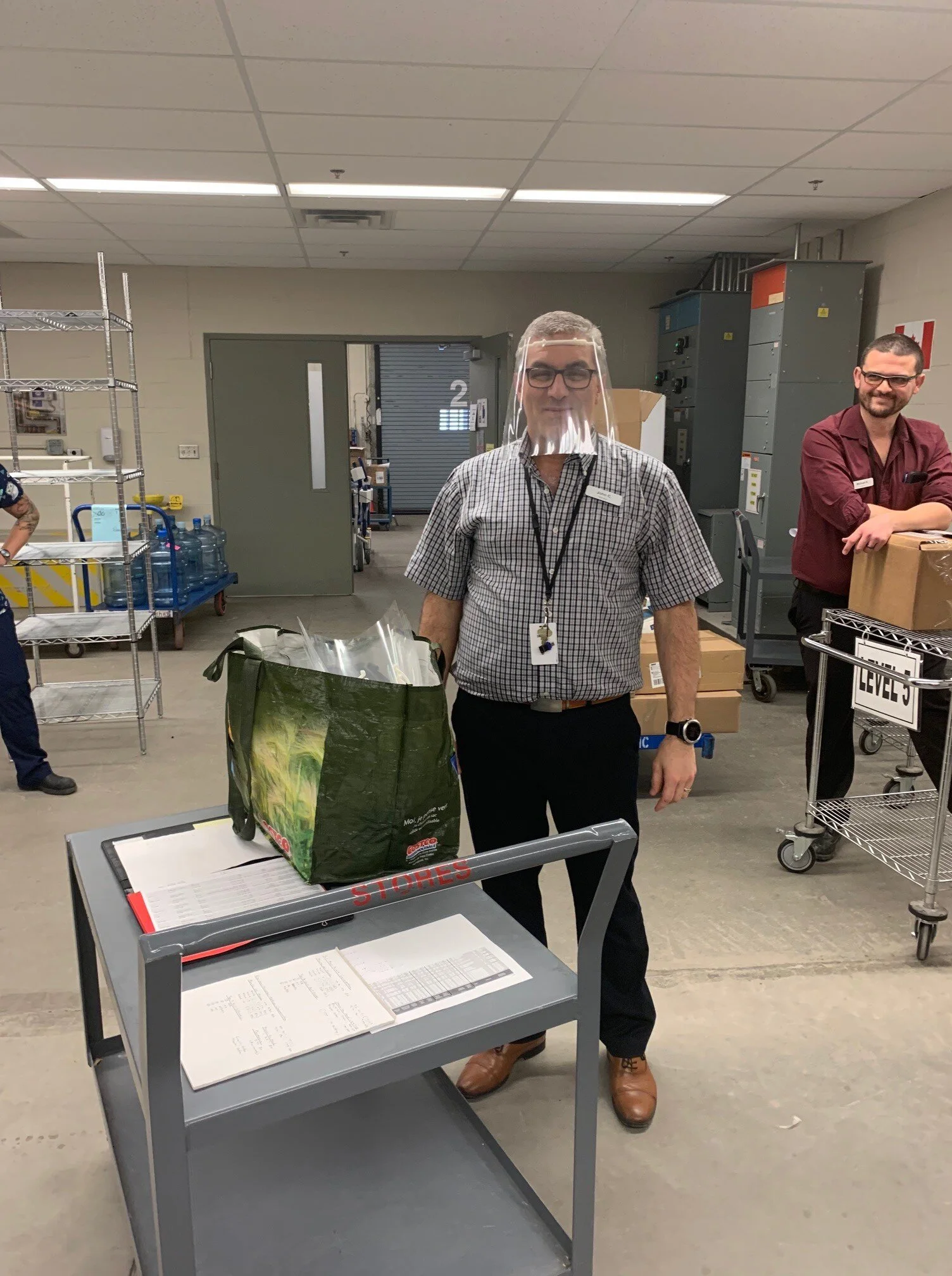
The latest amazing example is John Corso. John is a manager at Peterborough Regional Health Centre who happens to have a personal interest in all things technology. So using a 3D printer, he was able to make face shields, and donated them to PRHC to help his colleagues stay safe during the pandemic.

Photo of John Corso courtesy PRHC

John is just another example of all the local individuals and businesses coming together in this crisis to step up and help save lives.

PRHC is need of the
following supplies if you think you can help with their PPE drive.

Engage with us on social media on Twitter, Instagram and Facebook. Write to us at tips@ptbocanada.com. Sign up for PTBOBuzz newsletter here.

This Bobcaygeon Porch Sing In Support Of Pinecrest Nursing Home Will Give You All The Feels

Pincrest Nursing Home in Bobcaygeon has been ravaged by the Coronavirus, and many in the community and beyond are doing their part to show love for the frontline workers and residents there.

That includes the Peterborough Singers, who were proud to be part of this beautiful rendition of “Bobcaygeon” by The Tragically Hip. Their choir chose to sing along to the recording from their February concert "Canadian Legends".

You can watch and listen to it here…

The Peterborough Singers were proud to be part of the Bobcaygeon (By the Tragically Hip) sing along in support of Bobcaygeon, Ontario and The Pinecrest Nursi...

Engage with us on social media on Twitter, Instagram and Facebook. Write to us at tips@ptbocanada.com. Sign up for PTBOBuzz newsletter here.