Upskilling Program at Trent University to Expand Registered Nurse Capacity in Primary Care

Trent University is launching a new Primary Care Nursing Upskilling Program to build primary care expertise among registered nurses working in or preparing to transition into primary care.

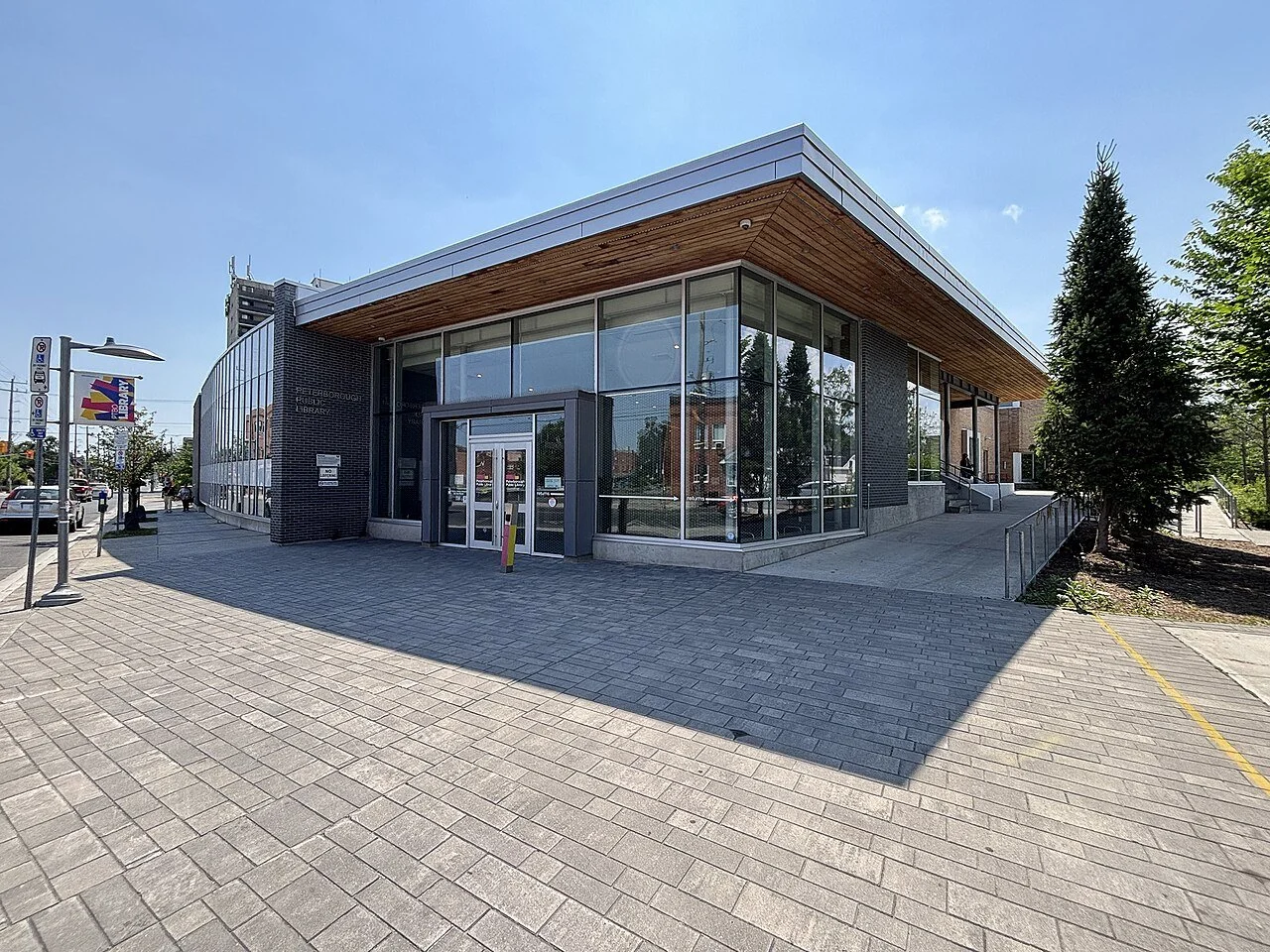
photo courtesy of trent university.

The professional online program includes emphasis on Indigenous, rural and community health to strengthen nursing practice in primary care.

“This upskilling program reflects Trent’s long-standing commitment to community-focused health education and addressing system-level challenges,” said Dr. Cathy Bruce, President and Vice-Chancellor of Trent University. “By creating accessible advanced primary care education for registered nurses, we are helping strengthen care teams and improve access to healthcare services for people and communities across Ontario.” 

Trent University is leading one of four initiatives selected by the province to advance primary care nursing education and workforce capacity. Developed in collaboration between the Trent/Fleming School of Nursing and Queen's University, the program features online modules to equip RNs with interprofessional care expertise for working in team-based primary care models.  

The Trent program, starting at the end of March 2026, is supported with $1.1 million from the Government of Ontario’s Ministry of Health as part of its Primary Care Action Plan.  

Over three years, funding awarded to Trent University will support the delivery of a 12-week, fully online postgraduate program. Faculty from the Trent/Fleming School of Nursing will contribute expertise in primary care, rural health, and Indigenous health, to deliver interprofessional learning experiences that bring together experts from across the health-care system. The funding will also cover tuition costs for Ontario registered nurses enrolled in the program. Up to 350 nurses are expected to complete the program over the initial three years, with the first cohort of 30 nurses beginning classes at the end of March. 

Graduates of this program will be equipped to provide care for patients across the lifespan, including well-child visits, chronic disease management, pre- and post-natal care and care for older adults. 

“Registered nurses are well positioned to provide care for patients and families within the primary care sector,” said Dr. Suzanne Braithwaite, assistant professor in the Trent/Fleming School of Nursing and past president of the Canadian Family Practice Nurses Association. “Primary care registered nurses provide a wide range of services, including well-child care, chronic disease management, health promotion and episodic care. Strengthening primary care nursing expertise through targeted upskilling education supports nurses in working to their full capacity, eases pressure on interprofessional care teams and improves access to care for patients across the province.” 

Registered nurses who complete the 12-week online program will be eligible for priority admission to the RN-prescribing program through the University of Windsor. Up to 70 per cent of those nurses will have their tuition fees covered, further advancing nursing capacity among the interprofessional primary care team.

As Trent works to implement the upskilling program, faculty in the Trent/Fleming School of Nursing are also developing plans to embed these topics and primary care competencies more deeply into their undergraduate nursing curriculum to build workforce capacity in primary care for the long-term.  

Registration for Trent’s new Primary Care Upskilling Program is now open.

Engage with us on social media on Twitter, Instagram, Facebook, Threads, Tiktok, Youtube and LinkedIn. Write to us at tips@ptbocanada.com. Sign up for our newsletter here.

PRHC RN Kailin Wilson On Her Experience Being Redeployed To The ICU During Pandemic & Impact On Family

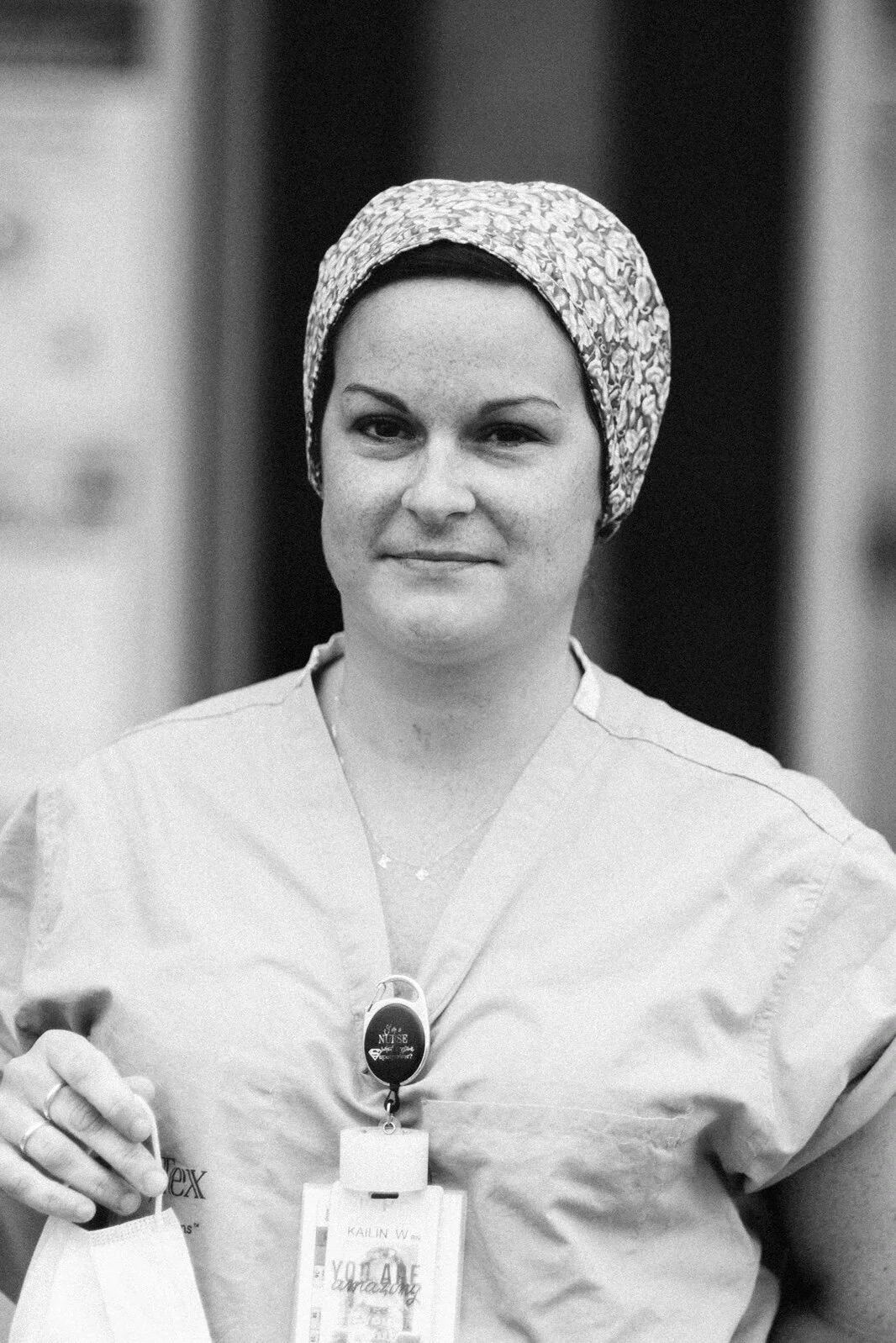
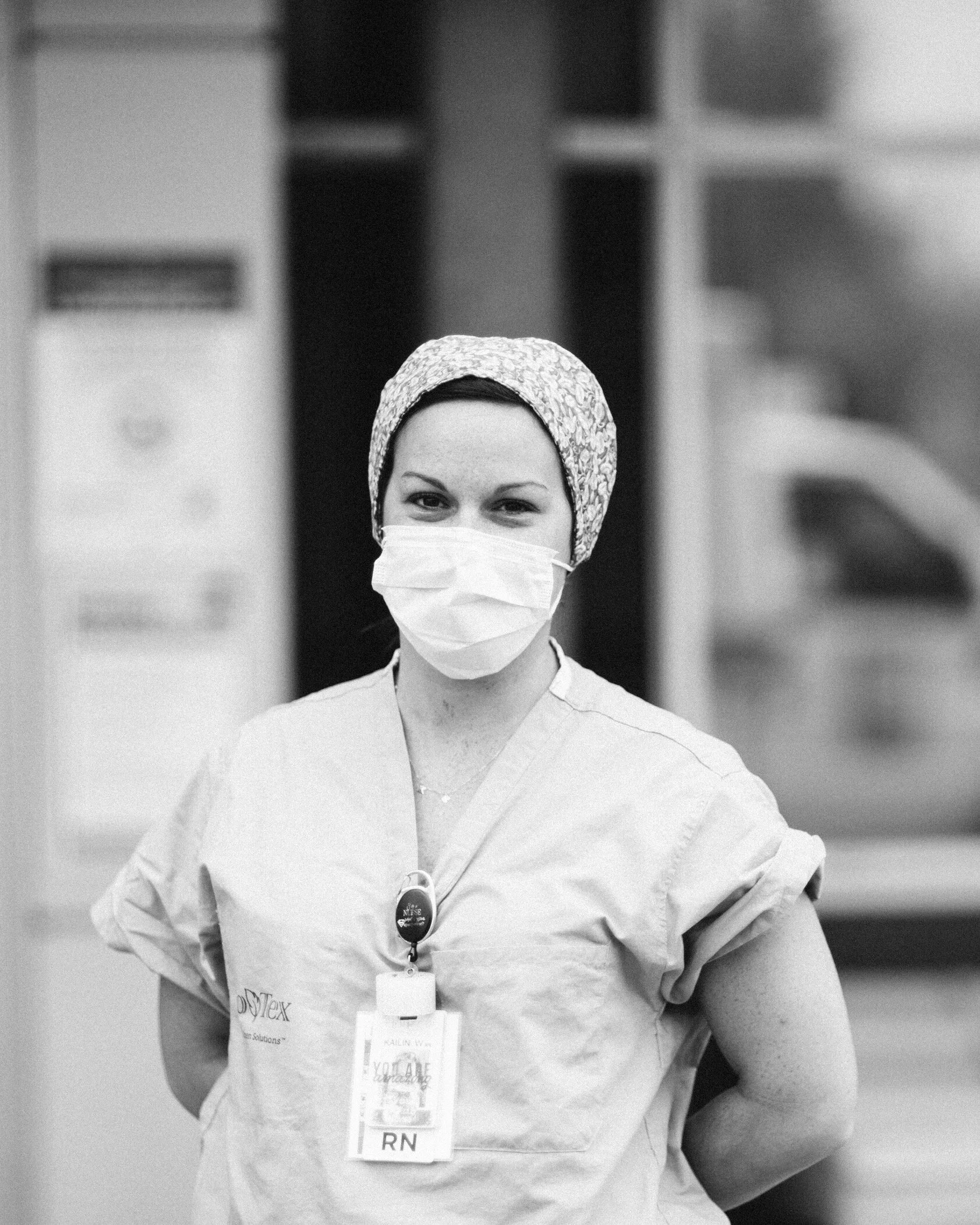
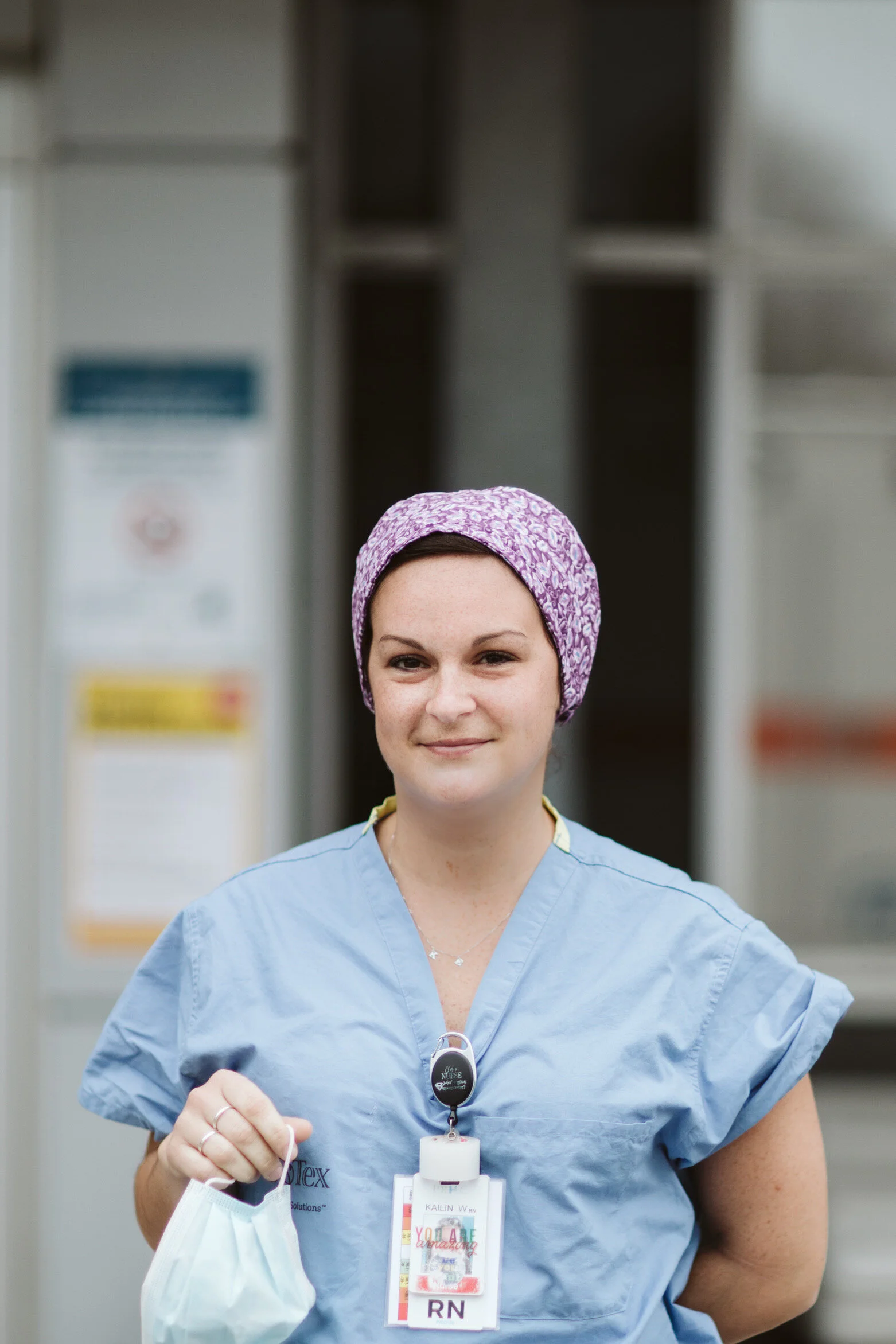
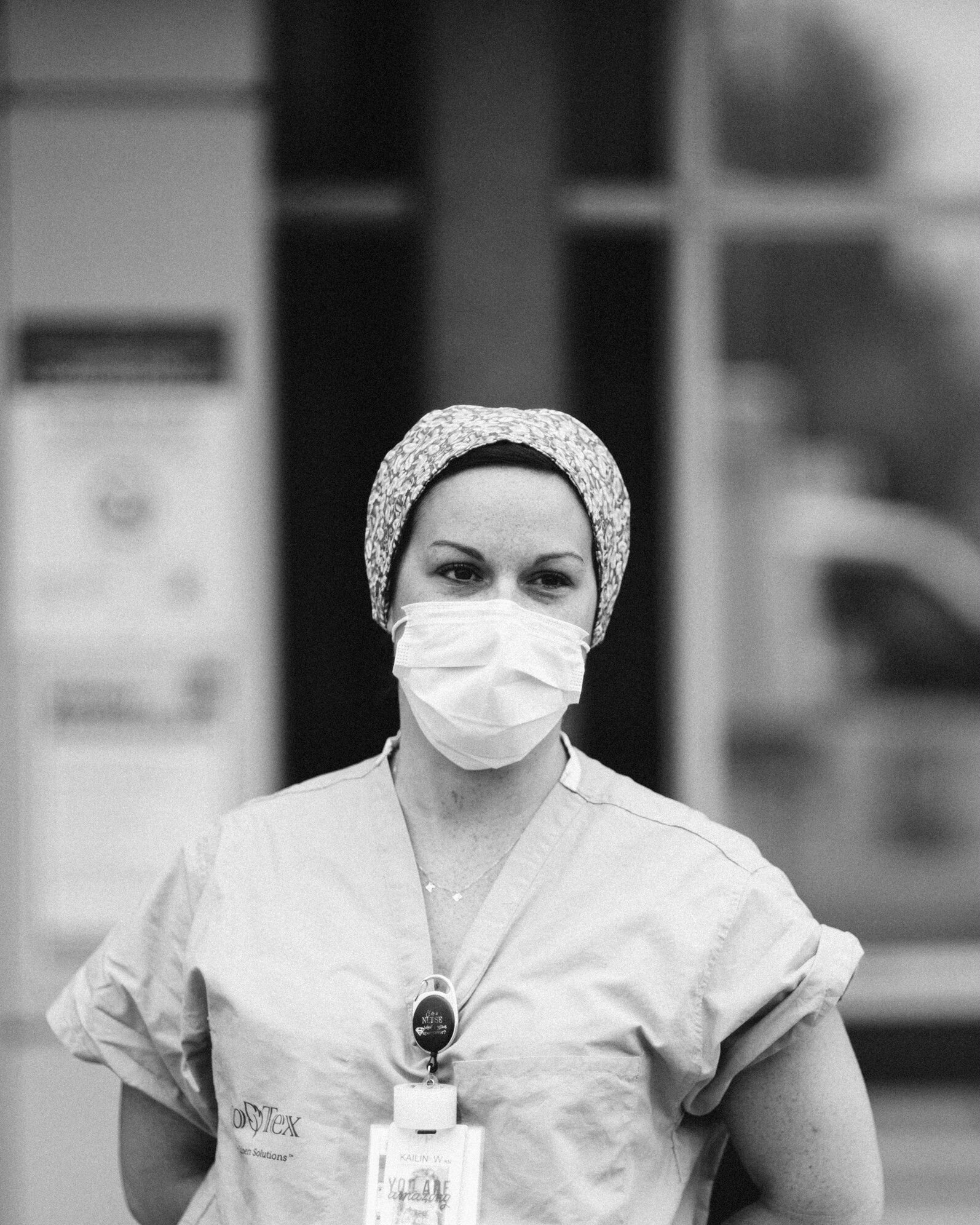
In the third of a PTBOCanada series on the experiences of frontline healthcare workers in Peterborough produced by Mary Zita Payne, RN Kailin Wilson gives us a firsthand look on what it’s like being on the frontlines during the pandemic. Here is her experience in her own words…

February 2020. I wake up every morning to my children, I don’t start work for another 1-2 hours. I get them ready, fed and off to daycare and school. I have no anxiety, no pit in my stomach. I enjoy my job and I am excited to be at work doing what I love. 

Fast forward to March 2020. I get the phone call that I am being redeployed to the ICU. It’s not foreign to me, I have worked there before. What is foreign is the fear and the anguish that comes over me. My first thoughts are, ‘My husband is a front-line shift worker, how are we going to do this?' Thankfully, his job has been more than understanding. I am going to have to adapt to a new kind of normal.  

Kailin Wilson (photographed at PRHC by Mary Zita Payne)

My first day in ICU, I wake up with an unrelenting pit in my stomach. I’m nervous and rightfully so. My husband and I have come up with a plan of how I am going to return home. I will change in the garage, leave my belongings there and shower right away. I won’t pick up the kids from daycare because it is too risky to have them in such close contact with me. This is going to kill me I think—all I want to do after a hard day is hug my babies.  

I’m not sure how I am going to feel going into this, I haven’t done it before. I have never cared for a patient that has or is suspected to have COVID-19. I walk into work and am asked a series of questions upon entering.

Everything is different at work. 

Nobody is close because of physical distancing; we are all wearing masks and we try our hardest while caring for our patients to preserve PPE. None of this is normal. As nurses, we aren’t taught or programmed to limit our exposure, to make it worth our while to go into these rooms, “group our care” if you will.  

Photographed at PRHC by Mary Zita Payne

I have never worried about the germs I bring home to my children. My background is the recovery room. Most patients are healthy, otherwise surgery would be cancelled. While I am at work, in the thick of this pandemic, the last thing on my mind is my anxiety or concerns. 

My main focus is giving this patient the best possible care that I can.  This is someone’s husband or wife, mom or dad. I care for them as if they were mine. But when I’m driving home from work, all of my anxiety and my greatest fear comes rushing over me. 

Photographed at PRHC by Mary Zita Payne

What if I wasn’t safe enough? What if I didn’t have my N95 respirator sealed tight enough? What if the hand sanitizer I use multiple times a day didn’t do its job?

You see, my daughter was very sick as a baby. 

She required ICU care at Sick Kids, which left her lungs with chronic inflammation. I can’t help but have this in the back of my mind. I mean, her favourite thing to do is to be with her mom all the time. How do you explain to a three-year-old to “physically distance” herself?  

Nobody is perfect. No amount of PPE is going to protect us all from this virus. It doesn’t discriminate. It doesn’t care how healthy you are or how old you are. My biggest message to everyone is to follow the guidelines the government has set out for us. It is imperative that we as a community and country follow the rules if we want any sort of “normal” to return. 

Photographed at PRHC by Mary Zita Payne

In my tenth year of nursing, this is beyond anything I could have ever imagined. But through it all I choose to hold my head high, and walk into work knowing that I can make a difference in someone’s day, someone’s care. 

I fear that one day I will be the one to hold someone’s hand as they pass from this awful sickness. If this is your family member, your friend, or colleague, please know that they are with the best team of nurses and doctors I have had the pleasure of working with.  

—Kailin Wilson, RN

(Mary Zita Payne, who is producing this series—you can read the first installment here and the second one here—has been documenting frontline healthcare workers on the frontlines on her personal blog.)

Engage with us on social media on Twitter, Instagram and Facebook. Write to us at tips@ptbocanada.com. Sign up for PTBOBuzz newsletter here.